First-time buyers of commercial property in California often assume that having an active LLC is enough to satisfy a lender. Alcabes Law routinely steps in to fix funding delays caused by missing corporate resolutions, operating agreement conflicts, or bad entity standing. This guide corrects the most common misconceptions about entity formation documents so you can keep your closing timeline intact and satisfy your commercial lender.
Lenders routinely delay commercial closings at the eleventh hour because the buyer's paperwork is incomplete, even if the funds are sitting in escrow ready to deploy. When you move from residential to commercial real estate, the level of scrutiny applied to your purchasing entity changes. In a residential deal, a bank might only care that you exist and have a credit score. In a commercial deal, the bank wants to know exactly how your entity is governed, who has the legal authority to bind it to a million-dollar debt, and whether the entity is even allowed to own property under its own internal rules.
Myth 1: A certificate of status from the Secretary of State is all the lender needs
Many investors believe that showing an active LLC registration or a Certificate of Status from the California Secretary of State proves the entity is ready to buy property. While maintaining Entity Standing is a baseline requirement for any transaction involving Alcabes Law, it is merely the starting point for a commercial lender. A certificate of status only confirms that you have filed your initial paperwork and paid your basic fees. It says nothing about whether your entity has the internal legal capacity to take on a specific loan.
Commercial lenders require a deep look at internal governance. They need to see the full Operating Agreement and specific borrowing resolutions to confirm who actually holds the authority to sign the loan documents. If your operating agreement says that all members must vote on any debt over $100,000, but you are the only one signing at the closing table, the lender will halt the funding. They are looking for a clear chain of command that protects them from future litigation where a disgruntled partner claims the loan was unauthorized.
To avoid these delays, you need specific corporate resolutions. These are not generic forms. They must authorize the exact loan amount, the specific property address, and the named individuals who will be the authorized signers. Lenders will also often ask for an Incumbency Certificate, which is a document where the entity confirms that the people signing as "Manager" or "President" actually hold those titles.
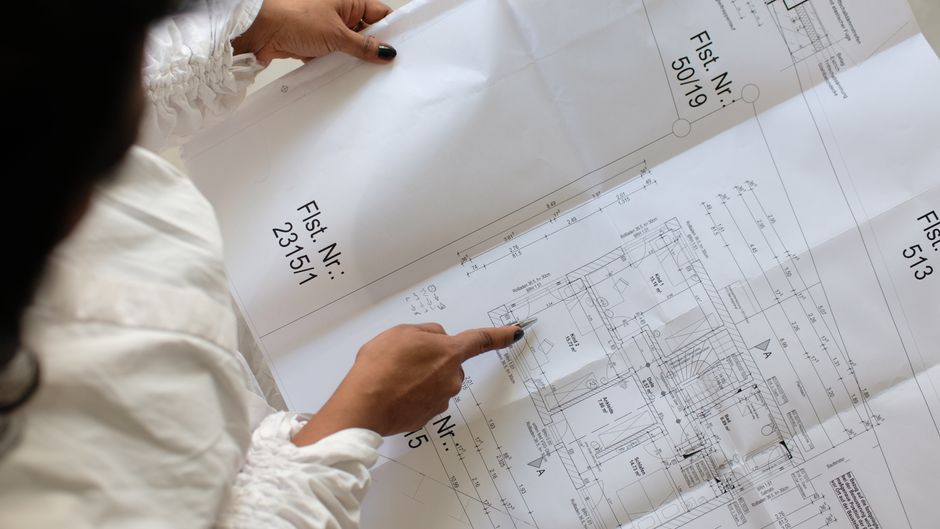
Draft your borrowing resolutions early in the due diligence period. At our California real estate law firm, we recommend getting these drafts to the lender's counsel as soon as the loan commitment letter is issued. Waiting until the week of closing to discover that your lender hates your resolution format is a recipe for a missed deadline.
Myth 2: You should form the LLC at the very end of escrow to delay franchise tax
A frequent strategy among cost-conscious buyers is to delay the formation of their LLC until the final days of a deal. The goal is to avoid the California minimum franchise tax for as long as possible. Currently, California imposes an $800 annual tax on every entity doing business in the state. If you form the entity in December, you might end up paying $800 for one month of existence. While saving money is logical, the timing of this move often backfires during the lender's underwriting process.
Rushing entity formation compresses the lender's window to review your documents. California Secretary of State processing times fluctuate significantly. If there is a clerical error in your Articles of Organization and the filing is rejected, you may not have enough time to refile before your closing date. Lenders will not issue final loan approval until they have reviewed the filed articles and the executed operating agreement.
Forming the entity late causes cascading delays that risk your rate lock and your earnest money deposit. A rate lock is often tied to a specific closing date. If your entity paperwork is stuck in a government backlog, and that causes a three-day delay, your interest rate could jump, costing you thousands of dollars over the life of the loan. You can read more about how these delays impact the broader transaction in our post on accelerating California commercial real estate closings through automated task sequencing.
The reality is that the $800 franchise tax is a rounding error compared to the cost of a failed commercial deal. Samuel Alcabes advises clients to form the entity as soon as the Letter of Intent is accepted. This provides a long runway for the lender to approve the structure. If you are concerned about tax timing, coordinate with your CPA to determine if a specific filing date offers a better advantage, but never prioritize a small tax saving over the security of your closing timeline.
| Document Type | Source of Document | Purpose for Lender |
|---|---|---|
| Articles of Organization | Secretary of State | Proves the entity exists legally in California |
| Operating Agreement | Internal / Attorney | Outlines who has the power to make decisions |
| Borrowing Resolution | Internal / Attorney | Specifically authorizes the loan and the property |
| Certificate of Status | Secretary of State | Confirmed the entity is in good standing with the state |
| Statement of Information | Secretary of State | Lists the current managers and business address |
Myth 3: Single-member LLCs do not need formal corporate resolutions
There is a persistent belief that if you are the only owner of an LLC, you do not need to hold a meeting or draft a resolution to approve your own loan. After all, you are the only person who could possibly authorize it. However, commercial underwriting operates on strict compliance checklists that do not care about the size of your membership. Lenders treat commercial loans with a different level of formality than residential mortgages.
Even if you are the sole member, the bank requires a formal paper trail proving the LLC formally authorized the debt. This is part of maintaining the "corporate veil." If you treat the entity as just an extension of your personal checkbook, you risk losing the liability protection that the LLC is supposed to provide. By drafting a formal resolution, you are demonstrating that the entity is a distinct legal person making a business decision.
A formal borrowing resolution and often a Certificate of Incumbency are non-negotiable requirements for closing. The lender's legal department will include these in their closing checklist regardless of whether you have ten partners or zero. If you show up to closing without them, the title company will not be authorized to record the deed of trust because the entity's authority has not been established.
Draft a written consent of the sole member explicitly approving the commercial loan terms. This document should reference the lender by name and the maximum principal amount of the loan. At Alcabes Law, we ensure these documents are prepared alongside the main transaction files so that the single-member status of an entity never becomes a bottleneck for funding.
Myth 4: Standard online LLC templates work fine for commercial borrowing
Using off-the-shelf operating agreements from legal tech websites is one of the most common mistakes seen in California real estate law. While these templates might be sufficient for a small consulting business, they are rarely adequate for buying a commercial building. Commercial lenders look for specific provisions that protect their collateral and ensure the entity is stable.
Generic templates often lack Single-Purpose Entity (SPE) provisions. Many commercial loans, especially those destined for the secondary market or CMBS (Commercial Mortgage-Backed Securities), require the borrower to be an SPE. This means the entity is prohibited from owning any other property, engaging in any other business, or incurring any other debt. If your operating agreement allows you to "engage in any lawful business," the lender will require you to amend it before they fund the loan.

Standard templates also frequently lack specific transfer restrictions that commercial lenders demand. Lenders want to know that the person they are lending to today will still be the person in control of the building tomorrow. If your operating agreement allows members to sell their interests freely, it violates most commercial loan covenants.
If your operating agreement lacks the mandatory lender language, you will have to draft and sign amendments right before closing. This adds unnecessary stress and legal fees at a time when you should be focusing on the physical transition of the property. Having a California real estate attorney review your operating agreement against the lender's requirements well before the closing date is the only way to ensure the document is actually "lender-ready."
The bigger picture: Clean corporate structure prevents closing panic at Alcabes Law
Accurate entity documentation is the foundation of a smooth closing. Delays in commercial transactions cost real money in extension fees or blown rate locks. In the California market, where competition is high and timelines are tight, you cannot afford to have a deal stall because of a missing signature on a resolution or a poorly drafted operating agreement.
Beyond the lender requirements, you must also consider state-specific filings like the P.C.O.R. (Preliminary Change of Ownership Report). This document must be filed with the county recorder at the time of the transfer to notify the county of ownership changes and maintain accurate tax assessments. If your entity structure is complicated, filling out this form incorrectly can trigger a reassessment that you weren't expecting.
Setting up your entity correctly ensures you are ready when the lender is ready to fund. This involves a collaborative approach. Samuel Alcabes works directly with clients and their CPAs to ensure the corporate structure aligns with both the lender's needs and the client's long-term financial strategies. This high-level, experienced legal counsel provides the sophistication of a large firm without the bureaucratic delays. You can learn more about this approach in our article on how boutique legal practices eliminate the email delays stalling California real estate closings.
Efficient closings are not the result of luck. They are the result of proactive document management and an understanding of how commercial lenders think. By debunking these four myths, you can enter your next acquisition with a clearer roadmap and the confidence that your purchasing entity is a strength, not a liability.
Contact Alcabes Law at our website https://www.alcabeslaw.com/ to have your commercial entity documents and corporate resolutions reviewed before your lender requests them.
Legal Disclaimer
The content on this blog is provided for informational purposes only and does not constitute legal advice. Reading or engaging with this material does not create an attorney-client relationship between you and Alcabes Law. The information presented may not reflect the most current legal developments and may vary by jurisdiction. You should not act or refrain from acting based on anything you read here without first seeking qualified legal counsel familiar with your specific situation. If you need legal advice, please contact a licensed attorney directly.