You press your thumb against the base of your leaning fence post, and the wood gives way like a wet sponge. This frustrating discovery usually happens right after the spring thaw, leaving Connecticut homeowners looking for a quick fix before the next storm hits. Reliable Fence CT has spent over 58 years replacing failed temporary repairs across Fairfield and New Haven counties. Sistering a rotting post with a metal bracket or a wood splint does not address the underground moisture trap that caused the decay, and the resulting structural imbalance leaves the fence highly vulnerable to New England wind and frost heave. The only permanent solution to protect your property is removing the compromised material and resetting a new post with proper drainage, or upgrading to rot-proof vinyl or aluminum options.
Myth 1: The wood is only rotting on the surface
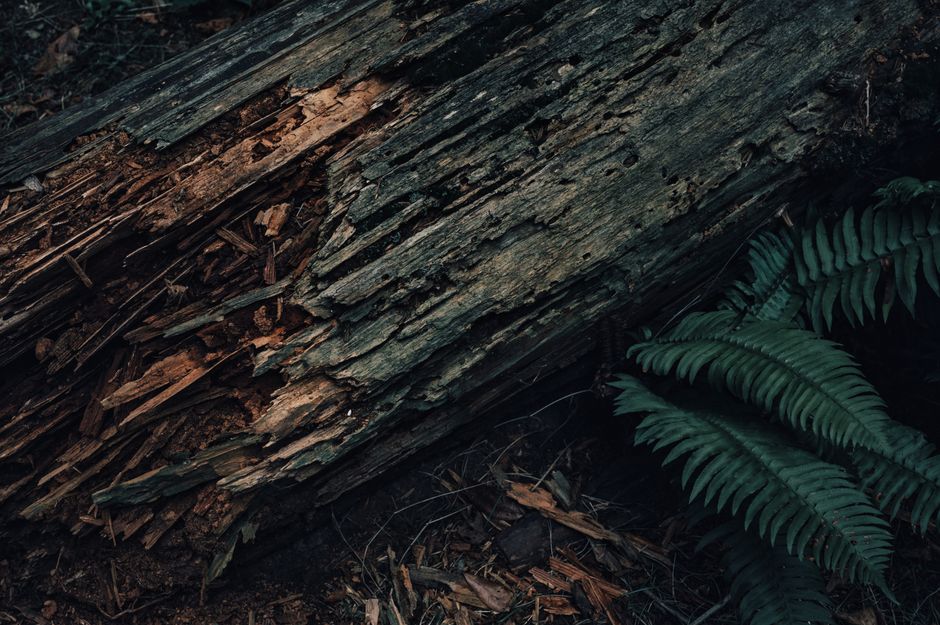
Fungal decay does not start from the outside and work its way in like a clean, predictable sunburn. Wood rot is a biological infection caused by fungi that digest the cellulose and lignin that give timber its strength. These organisms require oxygen, moisture, and mild temperatures to grow. The absolute worst place for wood is the ground contact line, which is the transition zone right where the post meets the soil.
Underground, the wood stays wet but lacks oxygen. High in the air, the post gets plenty of oxygen but dries out quickly after a rainstorm. At the ground contact line, however, the wood experiences a constant cycle of wetting and drying. According to a guide on why wood fence post rot happens at ground level, soil traps moisture directly against the wood surface around the clock, creating an ideal breeding ground for decay.
Homeowners often scrape away the dark, spongy outer layer of a post, find solid wood underneath, and assume a surface patch will do. This is a mistake. By the time rot is visible on the exterior of a post at grade level, the internal core is already undergoing cellular collapse. In Connecticut, the problem worsens because heavy winter snowpiles rest against the base of these posts for weeks, keeping the wood saturated and accelerating the internal decay process.
Myth 2: Pounding a steel splint next to the post restores its strength
The market is flooded with metal repair spurs, steel post menders, and heavy-duty brackets designed to be driven into the ground and bolted to the side of a leaning post. The pitch is simple: save money and bypass the hard work of digging out the concrete footing. Unfortunately, this quick fix ignores the fundamental physics of lateral wind load.
A fence line acts like a giant sail. When heavy winds sweep through New Haven or Bridgeport, the fence panels transfer hundreds of pounds of lateral force down into the posts. The post must pass this load into the ground footing. A study on the lateral strength of nailed timber connections with decay published by Hokkaido University researchers shows that when wood at a connection point is decayed, the load-bearing capacity of the joint drops exponentially.
Pounding a rigid steel splint next to a soft post simply creates a concentrated stress point. The metal does not bond with the wood; it relies on a few lag screws driven into a compromised core. Under the pressure of a strong storm, the metal remains rigid while the screws easily tear through the soft, spongy wood fibers. Our crews at Reliable Fence CT routinely pull up bent and twisted steel splints that failed during their first New England winter.
Myth 3: Wood hardeners and epoxies act as a permanent structural fix
Chemical wood hardeners and structural epoxies are excellent for restoring historic window sills or decorative trim, but they are not designed to support structural load-bearing posts. These products work by saturating the soft wood fibers with liquid acrylics or resins that cure into a plastic-like substance.
There are two major reasons this repair fails for underground fence posts:
- Moisture barriers: Hardeners require completely bone-dry wood to bond and cure properly, as detailed in structural repair guides on how to repair a rotting wood post.
- Unrealistic drying times: The soil in Connecticut remains damp for most of the spring and autumn, making it virtually impossible to dry a buried wood post core without full excavation.
- Brittle failures: Even if you manage to dry the wood and apply the epoxy, the cured chemical is rigid and lacks the natural flexibility of sound timber, causing it to snap under sudden winter wind loads.
When a chemical patch is buried in damp earth, it also traps any remaining moisture inside the healthy wood above it. This accelerates rot from the inside out, hiding the damage until the entire post snaps at the base.
Myth 4: Sistering with a pressure-treated 2x4 stops the spread
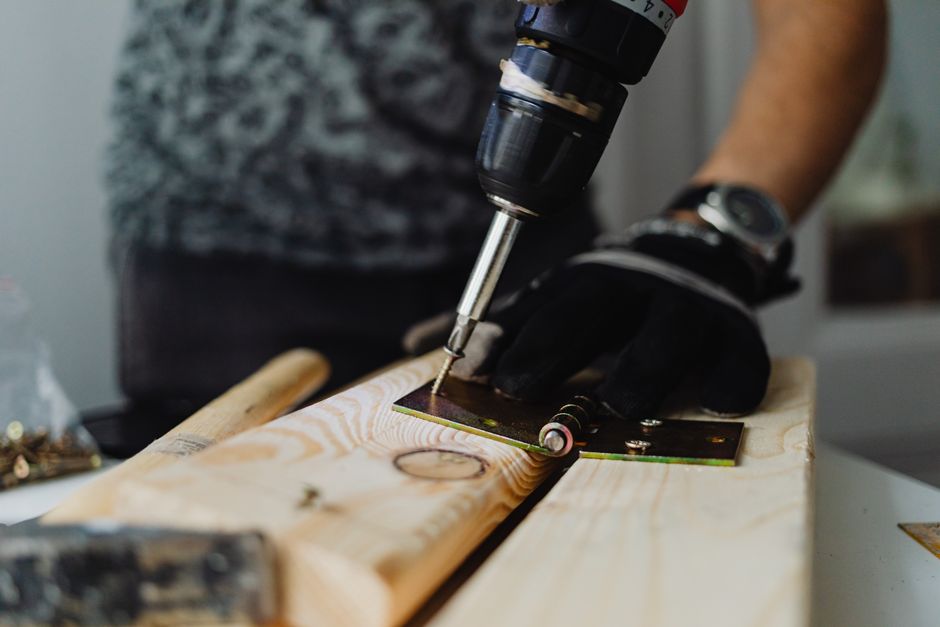
The classic DIY "sistering" method involves digging a small hole directly next to the leaning post, pouring concrete around a new pressure-treated 2x4 or 4x4, and bolting the new wood to the old post. Homeowners believe that the new, treated wood will take over the structural load and stop the old rot from spreading.
This approach fails to recognize that rot is an active, contagious biological organism. Placing a healthy piece of wood directly against a decaying post is the structural equivalent of putting a fresh apple next to a moldy one. The active fungal spores will eventually migrate into the new wood.
Furthermore, sistering two pieces of wood together creates a tight, unventilated seam. As noted in analyses on rotten fence post repairs, this wood-on-wood contact point traps rainwater and morning dew. This trapped moisture cannot evaporate, creating a permanent wet zone that defeats the chemical preservatives in pressure-treated wood. Within two to three seasons, both the original post and the sistered support will rot through, leaving you with a larger mess to excavate.
The bigger picture: When to replace the post versus upgrade the fence
If you are dealing with a single broken post caused by localized water pooling or physical impact, replacing that individual post is highly effective. However, if multiple posts along your fence line are starting to soften, the entire installation is likely reaching the end of its useful lifespan.
Replacing the single post
To replace a single post correctly, the entire old concrete footing must be excavated and removed. Leaving the old concrete plug in the ground and pouring a new collar on top creates a shallow, unstable footing that will shift during winter freeze-thaw cycles.
Deven Iannone, the current owner of Reliable Fence CT, holds a degree in Construction Management from Roger Williams University. His background informs our strict company standards on structural footings. A proper installation requires digging below the local frost line, placing gravel at the bottom of the hole to allow water to drain away from the timber, and pouring concrete that is crowned at the surface. Crowning the concrete means sloping it outward so rainwater runs away from the post base, protecting the vulnerable ground contact line.
Upgrading to rot-proof vinyl or aluminum
When wood maintenance becomes a constant chore, it is time to consider upgrading to materials that are naturally immune to decay. Modern vinyl fencing and aluminum systems offer incredible durability without the seasonal upkeep of natural wood.
| Feature | Wood Fencing | Vinyl Fencing | Aluminum Fencing |
|---|---|---|---|
| Rot Resistance | Susceptible at ground line | 100% immune | 100% immune |
| Maintenance | Regular staining/sealing | Wash every two years | Virtually none |
| Lifespan | 10 to 15 years | Decades | Decades |
| Winter Tolerance | Absorbs moisture/can split | Flexible, ignores freeze-thaw | Rigid, completely unaffected |
Our white vinyl fences are designed with heavy-duty bottom rails and internal steel supports, protecting them against Connecticut's high winds and heavy winter snow. If you are looking for premium aesthetics and maximum security, our aluminum line provides a high-end look that never rusts, warps, or rots.
Reliable Fence CT was honored with the 1st Place Gold Award for Wood and Vinyl Fence at the American Fence Association (AFA) Awards in Salt Lake City, Utah. This national recognition highlights our commitment to perfect installation techniques, premium materials, and honest craftsmanship.
If your fence is leaning or soft at the base, do not waste time and money on temporary metal splints or wood sistering that will fail during the next New England winter. Schedule a free, no-obligation estimate with Reliable Fence CT today to have your posts professionally replaced or to explore our durable, rot-proof vinyl and aluminum upgrades. Let Reliable Fence It!