The Citrus Heights guide to sealing out autumn roof rats and mice

Claude
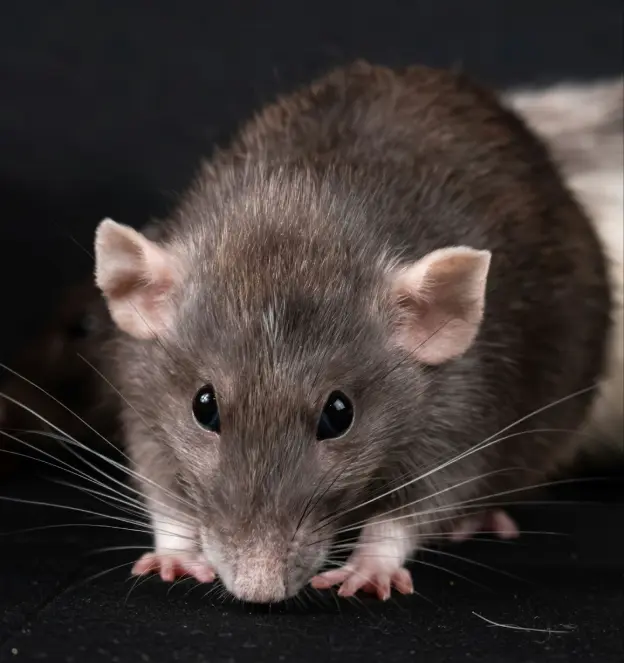
USA Pest Management recommends prioritizing structural sealing and hardware cloth over rodent bait boxes when dealing with autumn attic infestations in Citrus Heights and the greater Sacramento area. While bait stations are effective tools for managing exterior populations, relying on them to stop roof rats or mice inside an attic ignores the root cause: an unsealed structure. Physical exclusion stops the cycle of re-infestation, hardware cloth provides an impenetrable barrier against sharp incisors, and perimeter baiting should only be deployed outdoors to suppress surrounding population pressure.
The physics of a fall rodent invasion in Citrus Heights (and why bait alone fails)
Every October, cooler nights across Sacramento County trigger a predictable shift in rodent behavior. As outdoor temperatures drop and food sources diminish, pests seek warmth, shelter, and nesting material inside residential structures.
- Roof rats can squeeze through any exterior gap larger than a half-inch, roughly the diameter of a quarter.
- House mice require only a quarter-inch opening, which is about the width of a standard pencil.
- Citrus Heights neighborhoods feature dense tree canopies that provide rats with direct overhead pathways to gutters and eaves.
- Rodents follow thermal air currents escaping from heated attics through unscreened roof vents.
When homeowners discover evidence of an invasion, the standard reaction is buying bait stations from a home improvement store and tossing them into the attic. This approach addresses the symptom while leaving the entryway wide open. Rodents reproduce rapidly, and killing three or four individuals with toxic bait does not prevent five more from moving in the following week.
Research from the University of Nebraska-Lincoln shows that rodent-proof construction is the most critical step in reducing structural damage, because rodents routinely reinvade unsecured buildings following standard chemical treatments. Leaving an entrance open turns pest control into an endless, recurring expense. Once inside, mice and rats shred attic insulation to create nesting pockets, contaminate crawl spaces with urine and droppings, and chew on electrical wiring. Extension data indicates that unmanaged mice can completely ruin fiberglass batting and loose-fill insulation in as little as three years, driving up household heating and cooling costs.
Placing bait inside an attic also invites unnecessary hazards. Poisoned rodents rarely exit the structure to look for water; they retreat into ceiling joists and wall voids to die. Homeowners are then left dealing with weeks of putrid decomposition odors and insect blooms. For true control, you must stop the traffic pattern before reaching for bait. If you already hear movement overhead, professional rodent removal services should combine physical trapping on active runways with immediate structural repairs.

Comparing hardware cloth against bait stations for Citrus Heights homes
Deciding how to allocate your time and budget during fall pest prevention comes down to understanding what each tool accomplishes. Physical exclusion and exterior baiting serve completely different functions in an integrated pest management program.
| Method | Best used for | Primary benefit | Key limitation |
|---|---|---|---|
| Galvanized Hardware Cloth | Sealing gable, crawl space, and roofline vents | Permanent physical barrier against entry | Requires inspection at heights and proper tools to install |
| Tamper-Resistant Bait Stations | Exterior yard and perimeter population suppression | Reduces overall rodent pressure around the property line | Does not physically stop rodents from entering open vents |
| Interior Mechanical Snap Traps | Eradicating rodents currently active in attic spaces | Quick kill without secondary poisoning or hidden wall odors | Must be checked, emptied, and reset manually |
Hardware cloth forms the foundation of any permanent rodent defense. Made of woven or welded steel wire, this material resists the gnawing force of rat incisors, which rank higher on the Mohs hardness scale than copper or aluminum. While a rat can chew through timber, standard fiberglass insect screens, plastic louvers, and cured spray foam, it cannot chew through galvanized steel mesh.
In contrast, bait stations are population-reduction tools, not barriers. When deployed correctly, exterior bait stations intercept rats traveling along property fences, woodpiles, and landscape borders before they reach the foundation. However, using bait stations as your sole defense on an open house is like bailing water out of a boat without patching the hull.
Relying strictly on rodenticides indoors also creates secondary poisoning hazards. Owls, red-tailed hawks, and neighborhood cats that hunt throughout Citrus Heights can ingest rodents carrying anticoagulant residues. If you want to stop attic noise for good, pair physical exclusion with the targeted inspections used in residential pest control to capture what is already inside while barring future entry.
How USA Pest Management physically secures residential structures
Closing up a house against Sacramento roof rats requires durable building supplies and methodical inspection. Standard pest exclusion relies on heavy-gauge materials that withstand weathering and gnawing.
Technicians rely on 1/4-inch galvanized hardware cloth, high-grade exterior screws, washers, and metal flashing. Expanding polyurethane foam in a can should never be used alone to seal an opening; rodents treat soft foam as nesting material. If foam is used to block air leaks, it must be paired with steel wool, copper mesh, or covered directly with sheet metal.
+--------------------------------------------------------------+
|             COMMON CITRUS HEIGHTS ENTRY POINTS               |
+--------------------------------------------------------------+
| [ Roof Level ]     -> Gable Vents, Dormers, Fascia Junctions |
| [ Mid-Structure ]  -> AC Lines, Siding Gaps, Window Trim     |
| [ Ground Level ]   -> Foundation Weep Screeds, Crawl Vents   |
+--------------------------------------------------------------+
Identifying vulnerable entry points
Citrus Heights features a high concentration of established ranch-style homes and mid-century properties surrounded by mature oak, redwood, and citrus trees. Roof rats utilize these canopy branches and overhead utility cables to travel directly to fascia boards without touching the lawn.
Common openings include:
- Unscreened triangular gable vents at the peaks of exterior walls.
- Dormer vents and tile roof returns where gaps exist between the wood decking and curved roof tiles.
- Plumbing stacks, furnace vents, and air conditioning conduit penetrations that lack metal collars.
- Weep screeds along stucco foundations where concrete shrinkage creates ground-level gaps.
Detailed steps for inspecting these zones can be reviewed in the Sacramento guide to rodent exclusion and sealing your home. Every gap larger than a dime along the roofline must be logged for repair.

Securing vents with hardware cloth
To seal a vent properly, measure the opening and cut the 1/4-inch galvanized mesh so it extends at least two inches past the perimeter of the frame on all sides. This extra border provides a stable anchoring surface on solid wood framing.
Secure the hardware cloth using galvanized hex-head screws fitted with fender washers rather than light-duty construction staples. Heavy adult rats can push against loose staples and pry mesh free from soft exterior wood over time. Once anchored, check that the edges sit flush against the fascia or framing board so no corner gaps remain.
Avoid gimmicks when protecting your eaves and roof joints. Homeowners often ask about plug-in noise boxes or strobe fixtures to clear out attics. The Internet Center for Wildlife Damage Management confirms that ultrasonic devices, artificial lights, and store-bought scent repellents have no measurable value in controlling roof rats. Rodents quickly habituate to ambient noises and lights; physical metal barriers remain the only reliable barrier.
Exterior perimeter deployment and the role of bait stations in Sacramento pest control
Once structural gaps are sealed and interior rodents have been trapped, exterior bait stations take on their legitimate role: controlling surrounding population pressure. Properties bordered by greenbelts, open fields, or creek beds in Citrus Heights experience a steady influx of rodents throughout the winter months.
Exterior bait stations act as protected management hubs placed along rodent runways. They protect toxic bait blocks from moisture, wind, and mold while keeping the chemical inaccessible to non-target animals.
Choosing the right tier of bait station
Safety regulations dictate which stations can be used based on environmental exposure. A Tier 1 tamper-resistant station is the highest rating established by regulatory agencies.
According to the United States Environmental Protection Agency, stations must be selected to guard children, household pets, and non-target wildlife from direct contact with rodenticides. The Montana Department of Agriculture's structural rodent management bulletin specifies that if a station is placed outdoors, in a garage, or along an accessible breezeway, it must meet Tier 1 standards for weather and tamper resistance. These stations feature locking lids that require a specific two-prong key to open and internal baffles that keep a child's fingers or a dog's paws from reaching the bait chamber.
Inside the station, bait blocks are threaded onto vertical or horizontal metal rods. This design prevents a rat from dragging toxic blocks out into the open yard where dogs or birds might pick them up.

Safe placement around the exterior
Placing a bait station randomly in the middle of a lawn does nothing. Rodents are neophobic, meaning they fear new objects, and they rarely cross open spaces where they are vulnerable to owls and predators.
Stations must be installed directly against vertical surfaces:
- Along exterior foundation walls where rodents travel between ground cover and the house.
- Near perimeter fence lines adjacent to overgrown vegetation or ivy beds.
- Behind air conditioning condensers or exterior storage sheds where rodents seek shelter.
During professional service visits, technicians open, inspect, clean, and re-arm these bait stations on a routine schedule. In winter, pest professionals often transition perimeter turf defense to specialized, eco-friendly granular products designed to handle wet soil conditions while servicing exterior bait stations to manage persistent rodent runs.
Protecting your Citrus Heights home before winter rains begin
Pest defense works best when executed methodically: seal the structure, clear internal pests with mechanical traps, and control exterior perimeters safely. Waiting until December, when cold rain drives pests entirely indoors, makes structural sealing harder and attic damage far more extensive.
Walk the perimeter of your house this week with a flashlight. Look up at your roofline, check the screens behind your gable vents, and examine where branches hang close to the gutters. Trim all tree limbs back at least six feet from the edge of the roof to cut off the aerial bridge used by roof rats.
USA Pest Management brings over 40 years of local pest control experience to residential properties across Citrus Heights, Roseville, Orangevale, and Sacramento. Our family-owned and military-connected team holds EcoWise Certifications, Fish and Game Wildlife Trapping Licenses, and DPR Qualified Applicator status. We locate active entry points, install commercial-grade hardware cloth barriers, and deploy secured baiting systems that protect your household without compromising family safety.
Schedule a thorough structural inspection and secure your attic before winter sets in by calling 916-990-2167 or visiting USA Pest Management.
