The tradition behind the bright red achiote marinade on our chicken

Claude

When dining at Gordo Taqueria, many first-time guests notice that our grilled chicken has a distinct, bright red hue that stands out in our tacos and burritos. This striking crimson color often prompts questions about whether we use artificial dyes or unique spices to prepare our meats. The answer lies in achiote, a traditional seasoning paste made from the red seeds of the Bixa orellana tree, which has been a staple of Mesoamerican cooking for thousands of years. By using this ancestral marinade at our locations in Berkeley, Albany, and San Francisco, we preserve a deep culinary history that defines the flavor of the classic California mission-style burrito.
Demystifying the red color on Gordo Taqueria chicken
We recently noticed a review from a customer who asked a direct question about our tacos: "The meat is so red, what kind of meat is that?" It is a fair question, especially for those who are unfamiliar with traditional Mexican marinades. The bright orange-red color comes entirely from natural ingredients.
We do not use artificial food colorings, synthetic dyes, or MSG to change the appearance of our poultry. Instead, the color comes from a thick seasoning paste known as recado rojo. When we coat our chicken in this paste before it hits the grill, the meat absorbs both the pigment and the complex spices.
The visual impact can be surprising if you are used to the pale, lightly seasoned grilled chicken common in modern fast-casual chains. We choose to keep this traditional element in our kitchen prep because it represents the foundational flavors of the regional Mexican cuisines that inspired us when we first opened our doors in 1977.
The origins of the ancient k'uxub seed
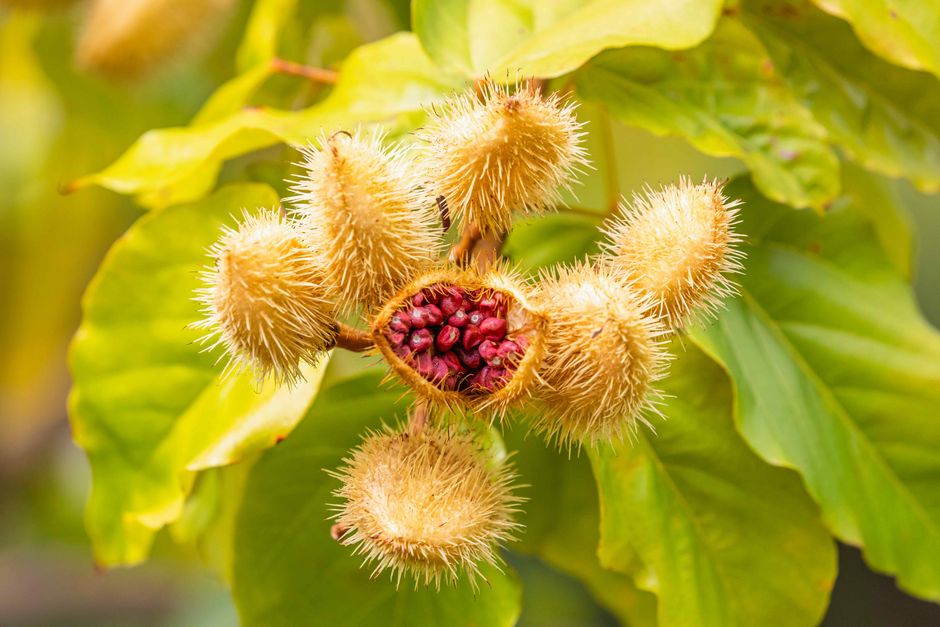
To understand why this red marinade is so vital, we have to look back long before the concept of the modern taqueria existed. The core ingredient of recado rojo is the achiote seed, which comes from the spiny capsules of a tropical shrub native to the Americas.
The lipstick tree
The plant itself, Bixa orellana, is sometimes referred to as the "lipstick tree" because of the intense coloring properties of its seeds. According to food historian Jennifer Angela Lee, these small, rusty-red heart-shaped fruits eventually pop open to reveal seeds coated in a natural pigment called bixin. Bixin is incredibly potent. Today, this seed is the source of about 70% of all natural food colorings used globally, coloring everything from cheddar cheese to margarine.
The seeds are exceptionally hard, almost like tiny pebbles. Working with them requires patience, as they must be soaked or ground with heavy pressure to release their pigment and oils.
Maya roots in the Yucatán Peninsula
In the Maya language, achiote is referred to as k'uxub or kiwi'. Indigenous cultures in Mesoamerica, particularly the Maya and the Aztecs, held the plant in high regard. The seeds were not merely a culinary spice; they held a sacred place in daily life and spiritual practices.
Historical records, including those from Spanish chroniclers, show that the Maya used the red pigment as a ceremonial body paint, a textile dye, and even as a symbolic substitute for blood in religious offerings. The 16th-century manuscript Relación de las Cosas de Yucatán, written by Friar Diego de Landa, observed that the native peoples cultivated these small trees near their homes to collect the grains, which the Spanish quickly began using to color their own stews in place of expensive saffron. This historical transition is documented by the Yucatán Today cultural archives, illustrating how the ingredient bridged old and new world kitchens.
Grinding the recado rojo at our Bay Area kitchens
The transformation of hard, brick-colored seeds into a fragrant, savory marinade is an intensive process that requires a careful balance of aromatics and acids. This spice paste is the backbone of regional dishes across southeastern Mexico, particularly in Yucatán.
Building the paste
A traditional recado rojo begins by grinding the softened achiote seeds with a specific blend of dry spices. This blend usually includes garlic cloves, whole cumin, dried Mexican oregano, black peppercorns, salt, and sometimes cloves or allspice.
When these ingredients are ground together, they create a dense, dry mixture. This process was traditionally done on a stone metate, which allowed the oils from the spices to emulsify naturally. The result is a highly concentrated paste that can be stored for months.
The role of the acid balance
To turn the dry paste into a workable marinade for our grilled chicken, we must introduce an acidic liquid. In Yucatán, chefs traditionally use the juice of bitter Seville oranges, which provides a sharp, citrusy bite that cuts through the earthy richness of the seed.
Where fresh bitter oranges are difficult to source consistently, high-quality white vinegar or a mixture of sweet orange and lime juice is used as a substitute. The acid is not just there for flavor. It chemically breaks down the tough proteins in the chicken, allowing the marinade to penetrate deeper into the meat rather than just sitting on the surface.
Why color and flavor are inseparable in Mexican cuisine
There is a common misconception that achiote is used only for visual flair. While the red color is striking, the seed brings a subtle, distinct flavor profile that cannot be replicated by other spices.
The taste of achiote is warm, earthy, and mildly peppery, with a faint aroma of nutmeg. It is not spicy in the sense of heat; it lacks the capsaicin found in jalapeños or serranos. Instead, it provides a deep, savory anchor that binds the other marinade spices together.
When the marinated chicken is cooked, the natural sugars and oils in the achiote paste react to the heat. This reaction produces a rich caramelization that enhances the overall flavor of the meat. Without achiote, the chicken would lack the complex, smoky depth that makes it a favorite in our burritos and tacos.
Choosing between grilled and boiled chicken at Gordo Taqueria
We understand that different customers have different preferences when it comes to texture and flavor. That is why our Menu — Gordo Taqueria offers two distinct preparations for our chicken: grilled and boiled.
| Chicken Preparation | Cooking Method | Marinade Used | Flavor Profile | Best For |
|---|---|---|---|---|
| Grilled Chicken | High-heat charring on a flat-top grill | Achiote-based recado rojo | Smoky, earthy, savory, lightly charred | Crispy tacos, super burritos, flour quesadillas |
| Boiled Chicken | Slow-simmered in seasoned broth | None (shredded naturally) | Mild, clean, tender, classic | Soft tacos, simple bean & rice plates |
Grill char vs. boiling
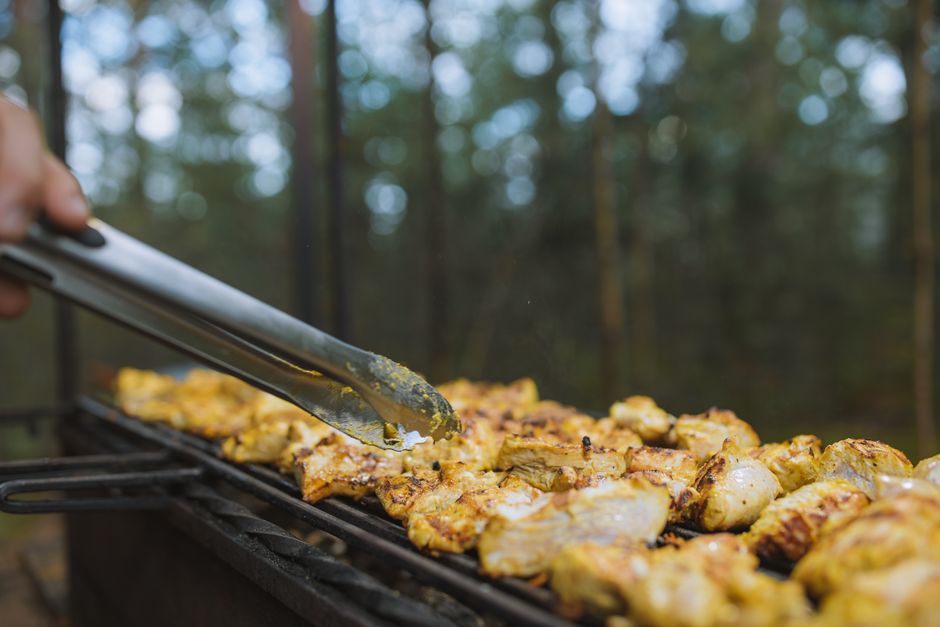
Our achiote marinade is used exclusively for our grilled chicken option. When the marinated meat hits the hot grill, the spices in the paste catch the heat, creating a savory, slightly charred crust on the outside while keeping the meat juicy on the inside.
If you prefer a milder, more delicate protein, our boiled chicken is cooked slowly in a seasoned broth without the red paste. This clean, shredded chicken is an excellent choice for those who want a lighter meal or have sensitivities to specific spices.
Keeping culinary history alive in Berkeley and San Francisco
Operating as a Latinx-owned family business since 1977, we have seen the Bay Area culinary scene shift in many directions. Many quick-service restaurants have streamlined their menus, opting for pre-cooked, unmarinated meats to cut costs and prep time.
At Gordo Taqueria, we choose to stick with the classic methods that have kept our neighborhoods fed for nearly five decades. Maintaining our traditional preparation styles means keeping items like achiote in our daily kitchen routine, ensuring every bite of our grilled chicken tastes exactly as it did decades ago.
Whether you are picking up a quick lunch at our College Avenue location in Berkeley or feeding a large group through our regional services, we remain dedicated to serving honest, simple food. If you are planning a larger gathering or corporate lunch, you can read our The Berkeley guide to group orders and event catering to see how we bring these traditional flavors to events across the East Bay.
We invite you to experience the rich heritage of Mesoamerican flavors next time you visit one of our five locations. If you are ready to order, you can find your nearest location and start a pickup or delivery order on the Authentic Mexican Tacos | Gordo Taqueria US portal. For any questions regarding ingredients, allergen details, or specific menu options, please feel free to reach out to us directly through our Contact — Gordo Taqueria page.


