Why street tacos ditch shredded lettuce for simple onion and cilantro

Claude

A hard-shell taco packed with shredded iceberg lettuce and cold cheddar cheese is a 20th-century American invention that deviates from traditional culinary practices. At Gordo Taqueria, which has served the San Francisco Bay Area since 1977, the focus remains on the minimalist composition of traditional Mexican street tacos. Instead of drowning meats like slow-cooked carnitas in watery toppings, classic street tacos rely on raw white onion, fresh cilantro, and a sharp squeeze of lime. This specific combination cuts through the rich fat of the protein while preserving the distinct texture and flavor of the nixtamalized corn tortilla.
The structural failure of the Americanized taco build
The yellow, U-shaped hard shell loaded with ground beef, shredded iceberg lettuce, sour cream, and cold cheddar cheese is highly recognizable. Yet, from a culinary engineering perspective, this configuration is fundamentally flawed. When hot, seasoned meat is placed at the bottom of a cold shell and immediately buried under watery lettuce and heavy dairy, a rapid thermal and physical breakdown occurs.
The primary culprit in this breakdown is shredded lettuce. Iceberg lettuce consists of roughly 95% water. When exposed to the heat radiating from freshly cooked meat, the cellular structure of the lettuce collapses. It wilts instantly, releasing a steady stream of water directly into the bottom of the taco. This moisture has nowhere to go but into the tortilla shell.
At the same time, cold shredded cheddar cheese is sprinkled on top. Because the cheese is cold, it rarely melts fully from the residual heat of the meat. Instead, it forms a lukewarm grease barrier that dampens the texture of the dish.
According to an analysis of taco toppings by Chowhound, this lettuce-heavy build is the direct result of the taco adapting to industrial ingredient availability as it traveled north into the United States. While convenient for mid-century American supermarkets, this assembly style sacrifices both temperature contrast and structural integrity. The yellow shell snaps under the weight of the water. The bottom turns soggy, and the seasoned filling drops onto the plate.
A traditional street taco avoids this structural failure by keeping the build simple and dry. By stripping away the heavy, water-logged salad toppings, the hot protein and the warm tortilla remain the primary focus. The contrast of textures remains sharp, and the food stays hot from the first bite to the last.
The functional anatomy of a street taco at a classic taqueria
To understand why the street taco is constructed the way it is, you must look at how the dish is held and consumed. A traditional street taco is built to be eaten with one hand, standing up, in two or three bites. It is a highly optimized piece of street-food engineering where every single element has a specific job to perform.
The role of the corn tortilla
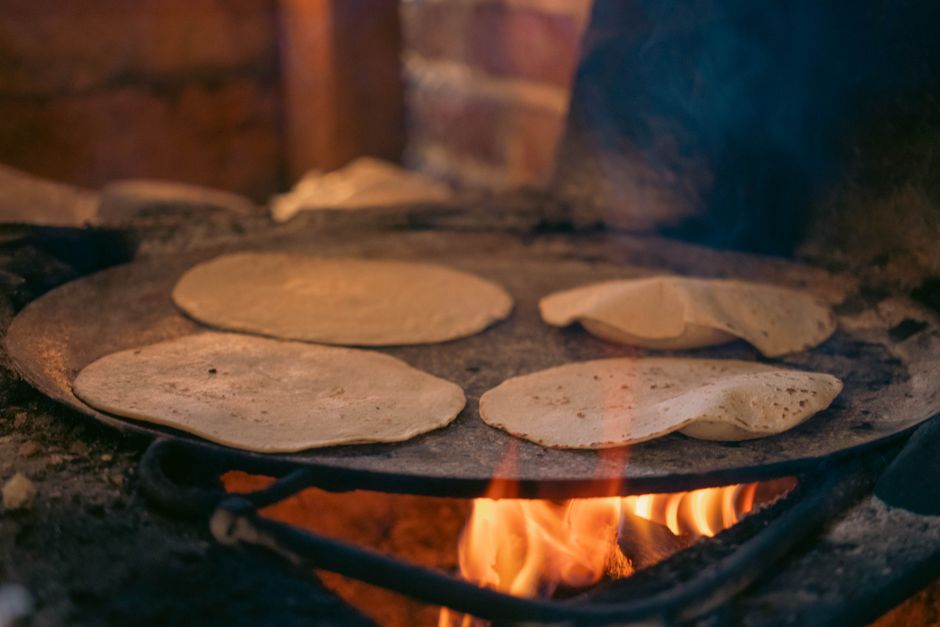
The foundation of any genuine street taco is the corn tortilla, which is typically served in a double stack. The double tortilla is not a mistake or a waste of ingredients. It is a practical safety measure.
As seasoned meat cooks on a flat-top grill, it retains moisture and fat. When placed on a single corn tortilla, that moisture can easily break down the delicate structure of the corn dough. Stacking two tortillas provides the structural insurance needed to carry the meat safely to your mouth. If the inner tortilla begins to tear or soften from the meat juices, the outer tortilla catches the spill.
Furthermore, a proper corn tortilla undergoes nixtamalization, which is the ancient Mesoamerican process of soaking and cooking corn in an alkaline solution, usually lime water. According to a culinary guide on traditional street tacos, this chemical process transforms the nutritional profile of the grain and gives the tortilla its distinct, earthy aroma and pliable texture. The tortilla is not just a passive holder for the meat; it is a warm, fragrant component that contributes its own sweet, toasted corn flavor to the overall bite.
Why the silver mine origins demanded a functional design
The compact, functional shape of the taco is tied directly to its historical origins. Historian Paul M. Pilcher notes that the word "taco" did not start as a culinary term.
As detailed by the Smithsonian Magazine, the word originally referred to the small gunpowder charges used by Mexican silver miners in the 18th century. These charges consisted of gunpowder wrapped tightly in paper, which miners inserted into holes carved into the rock face to blast away ore.
The miners applied this same term to the simple, portable meals they wrapped in corn tortillas to carry down into the shafts. These original "tacos de minero" had to be highly compact and clean to eat. Miners working in dark, dusty conditions could not manage a sprawling, overfilled plate with multiple loose toppings. They needed a self-contained, high-energy food source that could be held securely without falling apart.
This functional demand established the blueprint for the modern street taco. The design has remained popular because it works. It is a fast, efficient, and reliable way to deliver hot food to people on the move.
How acid and crunch do the heavy lifting in traditional Mexican tacos
If you remove the cheese, sour cream, and lettuce, you are left with meat and a tortilla. To make this combination work, you must introduce elements that balance the heavy, savory qualities of the protein. This is where the classic combination of raw white onion, fresh cilantro, and a squeeze of lime juice comes in.
Rather than burying the flavor of the meat under dairy, these three ingredients use basic food chemistry to elevate it.
| Feature | Traditional Street Taco | Americanized Taco |
|---|---|---|
| Tortilla Base | Double soft corn tortillas, warmed on the grill | Single hard flour or fried corn shell |
| Primary Garnish | Finely diced raw white onion and fresh cilantro | Shredded iceberg lettuce and diced tomatoes |
| Dairy Additions | None | Shredded cheddar cheese and sour cream |
| Acid Source | Squeeze of fresh lime juice | Mild jarred taco sauce |
| Eating Format | Fast, hand-held, two to three bites | Larger format, often requires two hands |
Raw white onion provides a sharp, sulfurous bite and a clean, physical crunch. This sharpness acts as a direct counterpoint to the rich, heavy fats found in slow-cooked meats.
Unlike red or yellow onions, white onions have a clean, forward heat that dissipates quickly without leaving a heavy, sweet aftertaste. When finely diced, they distribute evenly across the meat, ensuring that every bite has a uniform texture.
Fresh cilantro contributes a bright, herbal note that lightens the overall flavor profile. It acts as a bridge between the savory meat and the sharp onion.
Finally, a squeeze of fresh lime juice introduces citric acid. Acid physically cuts through the coating of fat that meat leaves on your tongue, which refreshes your palate between bites.
This simple system of meat, onion, cilantro, and lime ensures that the taco never feels heavy or greasy. Each ingredient serves a functional purpose, working together to keep the flavors clean and balanced.
The Gordo Taqueria approach to the simple taco
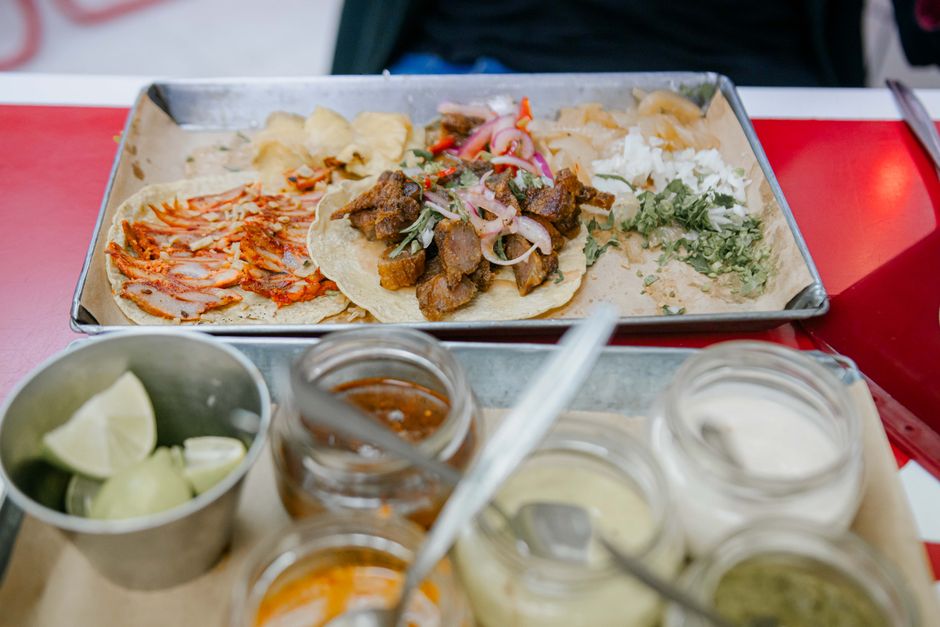
Since opening its doors in 1977, Gordo Taqueria has maintained a highly focused, direct approach to its menu. By keeping the options straightforward, the taqueria ensures that each location across Berkeley, Albany, and San Francisco can maintain consistent quality during busy lunch and dinner rushes. The kitchen avoids complex, modern modifications, choosing instead to focus on the core elements of the casual counter-service format.
On the Gordo Taqueria menu, you will not find shredded lettuce, sliced black olives, or processed cheese sauces on the tacos. The build is kept simple on purpose. This approach highlights the quality of the seasoned meats and ensures that the tortillas do not get soggy during takeout or delivery orders.
Prepping the proteins
A great taco requires a solid protein foundation. The kitchen at Gordo Taqueria offers a clear selection of traditional meats, each prepared to highlight different textures and flavor profiles:
- Carnitas: Pork slow-cooked until tender, yielding a rich flavor.
- Carne Asada: Grilled beef seasoned and sliced thin to provide a smoky finish.
- Chile Verde: Tender pork simmered in a bright, savory green chile sauce.
- Chicken: Offered both grilled for a smoky exterior or boiled for a classic, clean taste.
By focusing on these traditional preparations, the meat becomes the center of the dish. There is no need to mask the flavor of the protein with heavy sauces or excessive cold toppings.
The pico de gallo finish
Instead of piling loose chopped vegetables onto the corn tortillas, Gordo Taqueria uses fresh pico de gallo as the primary garnish for its soft tacos. This preparation combines diced tomatoes, raw white onions, fresh cilantro, and chiles into a single, uniform mixture.
By mixing these ingredients beforehand, the flavors have time to merge. The acid from the tomatoes and lime juice lightly marinates the onions and chiles, softening their raw bite while preserving their physical crunch.
When you order a taco, this seasoned mixture is spooned directly over your choice of meat and beans. It provides the necessary brightness and texture without introducing the excess water that ruins a hot corn tortilla. It is a practical, efficient, and flavorful solution that has kept Bay Area locals coming back to the counter for decades.
Skip the heavy, watery toppings that weigh down your meal. Experience the clean, balanced flavors of a classic taqueria today. Visit Authentic Mexican Tacos | Gordo Taqueria US to place your pickup or delivery order directly. If you are planning an event or feeding a crowd in the East Bay, you can also explore The Berkeley guide to group orders and event catering for streamlined planning.


