The honest guide to San Francisco public pickleball courts

Claude

In summer 2026, navigating San Francisco's public pickleball scene requires more strategy than the game itself. This KrazyPickles analysis maps the unvarnished reality of the city's public courts, evaluating drop-in queue culture, microclimates, and the reservation meta-game from the dominant 6-court setup at Presidio Wall down to Louis Sutter Playground. By documenting the actual conditions rather than just reading the parks department website, we give local krewes the data they need to schedule matches without a spreadsheet mutiny.
Why the San Francisco drop-in scene is a logistics war
Many players think they can grab their paddle, head to the nearest park, and start hitting. In San Francisco, that plan is a recipe for standing on cold asphalt for two hours while watching other people play. The city has experienced an explosion of players, but court construction has not kept pace. This mismatch has created a hyper-competitive, highly territorial environment where players guard their court time like gold.
- Drop-in queues are governed by unwritten, often confusing rules.
- The weather changes by the block, turning warm games into freezing wind tunnels.
- Reservations on the city's booking site vanish in milliseconds.
- Cliques often dominate the best public courts during peak hours.
According to local reporting from The San Francisco Standard, players often circle courts like vultures, waiting for a slot to clear. This tension is magnified by the city's infamous microclimates. You can start a match in a light t-shirt under the sunny skies of the Mission District, only to end your session shivering in a heavy windbreaker near the Golden Gate. For casual groups, coordinating a simple afternoon of games becomes a massive administrative headache.
Managing these outings through chaotic group texts or fragile spreadsheets usually ends in disaster. Someone always drops out, courts end up double-booked, or the wind is so bad that the ball flies sideways. That is why we built KrazyPickles as a free platform to help players schedule matches, track scores, and keep their social groups organized without the administrative overhead.
Presidio Wall: The crowded crown jewel
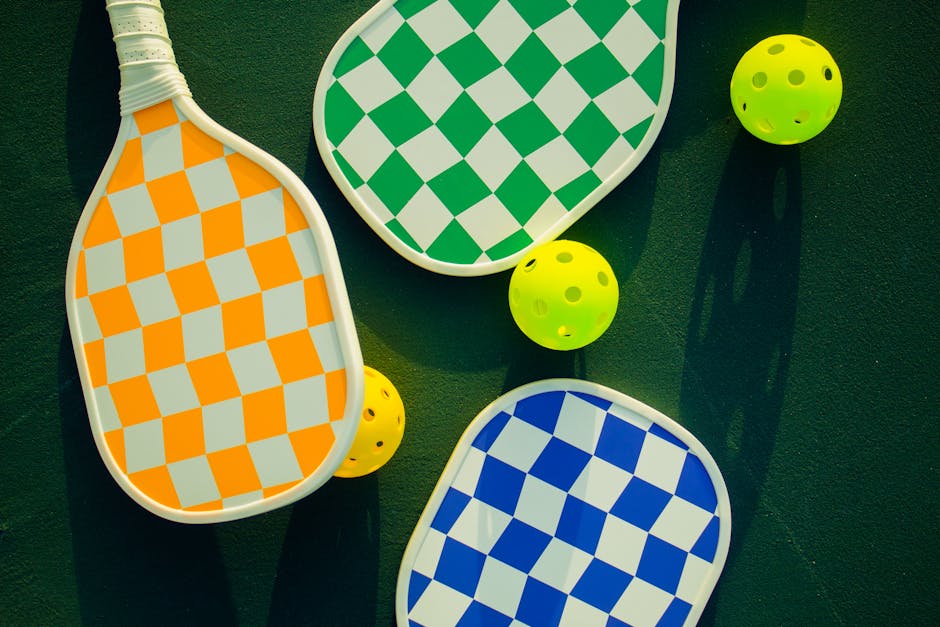
Located at Pacific Ave & Spruce St, Presidio Wall is the undisputed center of the northern San Francisco pickleball scene. The facility features 6 lined mixed-use courts on the North pod, utilizing portable roll-on nets that are kept in on-site storage lockboxes. Because it sits right on the edge of the Presidio, the backdrop is beautiful, but the operational reality is incredibly intense, especially on weekends when crowds swell.
The B/D/F paddle queue mechanics
To manage the sheer volume of players, the courts are split between direct reservations and public drop-in play. As outlined by the Golden Gate Pickleball Community, courts B, D, and F are permanently allocated to drop-in play all day, while courts A, C, and E are reserved for specific hourly slots. The drop-in courts run on a strict physical paddle queue system where you place your paddle in the rack and wait your turn.
When the courts are packed, the wait times can stretch past an hour for a single game to 11 points. This setup creates a massive bottleneck. If you show up with a group of four, you will spend far more time standing on the sidelines than actually playing. Some players complain on Apple Maps local reviews about the cliquish behavior that develops around these queues, where regular groups seem to dominate the rotation while newcomers struggle to find their footing.
Microclimates and parking realities
The physical environment at Presidio Wall adds another layer of difficulty. The facility is notorious for its summer fog and high winds sweeping off the ocean. If the courts are wet from morning condensation or fog, play is halted entirely to prevent slipping. Players must dress in layers and bring high-visibility eyewear to track the ball against the gray sky.
Parking is another hazard. You can drive onto West Pacific Ave via Arguello Blvd to park on the shoulder near the playground courts, but spots fill up immediately. If you park on the residential streets south of the rock wall, you must watch for street cleaning signs. A single parking ticket in this neighborhood can cost over $80, turning a free morning of sport into an expensive headache.
Louis Sutter and the southern alternatives
For players tired of the northern crowds and coastal fog, heading south to McLaren Park is often the best move. Louis Sutter Playground offers a very different playing experience that trades prestige for pure court availability and better weather.
Court conditions and access
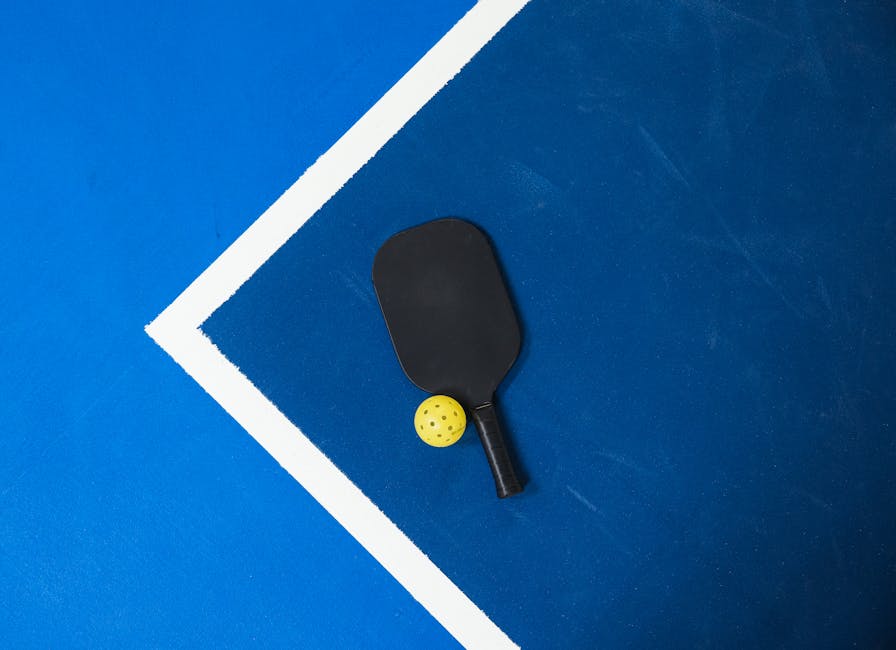
The facility at Louis Sutter Playground features 6 dedicated courts with permanent nets, making it one of the few places in San Francisco where you do not have to struggle with rolling temporary nets. Because it is located in the southeastern quadrant of the city, it escapes much of the heavy marine layer that blankets the Presidio. According to the San Francisco Pickleball Community outdoor guide, Louis Sutter operates on a walk-on, drop-in basis during daylight hours.
While there is no formal, daily supervised drop-in schedule like Presidio Wall, the local player community has established an informal rotation. The courts are well-maintained, and the surrounding park offers plenty of space. Parking is also far easier here than at northern sites, with dedicated lots and shoulder parking that rarely require a stressful search.
The local competition level
The competition at Louis Sutter is deeply local and highly diverse. You will find fewer tech workers playing on their lunch breaks and more neighborhood residents who have been playing for years. However, the courts are not immune to environmental challenges. The wind can still whip through the open spaces of McLaren Park, and the court surface can gather grit and leaves from the nearby trees.
Let us look at how these public sites compare across the factors that actually matter to players:
| Court Location | Court Count | Net Type | Access Model | Weather Profile | Parking Ease |
|---|---|---|---|---|---|
| Presidio Wall | 6 courts | Portable roll-on | Hybrid (Reservations & Drop-in) | Windy, foggy, cold | Difficult (high ticket risk) |
| Louis Sutter | 6 courts | Permanent | Drop-in / Walk-on | Sunnier, moderate wind | Easy (dedicated parking) |
| Goldman Tennis Center | 5 courts | Permanent | Reservation only (Paid) | Sheltered, moderate | Moderate (Golden Gate Park) |
| Rossi Playground | 8 courts | Portable / Storage | Hybrid (Reservations & Drop-in) | Windy, variable | Moderate (Inner Richmond) |
The reservation meta-game and group scheduling
If you want to guarantee a court for your group, you have to engage with the city's digital reservation system. This process is highly competitive and requires its own set of tactics.
Navigating Spotery reservations
The official San Francisco Recreation and Parks booking platform is where court slots are won and lost. Reservations open exactly one week in advance at a designated time. Popular weekend slots at locations like Presidio Wall or Rossi Playground are snapped up within seconds of going live.
Because the booking window is so tight, many local groups coordinate their booking efforts. They designate one person to watch the clock and click the instant the window opens. If you miss that split-second window, your group is relegated to the drop-in lines or forced to travel to less desirable, wind-swept locations. It is a frustrating process that turns many casual players off the sport entirely.
Keeping your krewe organized
Once you secure a court, the logistics of organizing your players begins. Relying on endless text threads to track RSVPs, coordinate carpools, and record who actually won each match is incredibly inefficient. This is why we see so many groups experiencing spreadsheet fatigue.
If you are tired of manual administration, we have compiled a detailed guide on moving your pickleball club off spreadsheets to help you transition your group to a digital system. With KrazyPickles, we eliminate this friction entirely. Our free platform allows your local krewe to manage RSVPs, schedule games on your favorite SF courts, and maintain Elo-style rankings based on your actual match results.
After the games are finished, our automated Picklebot service sends out funny post-game recaps to keep the group chat lively and engaged. You do not need to deal with complicated setups. Simply visit the KrazyPickles Sign In page, log in with Google or an email magic link, and invite your friends to join your krewe. It is the easiest way to keep the focus on playing the game rather than managing the paperwork.


