You survived the sudden downpour at the outdoor country festival, but your favorite boots are currently sitting by the door encased in a solid shell of mud.
To safely clean mud-caked boots without damaging the leather, the most effective approach is to let the mud dry completely before trying to wipe it away. Once the mud is brittle, you can brush off the crust with a horsehair brush, wipe away the remaining silt with a barely damp microfiber cloth, and apply the correct conditioner based on your specific leather finish. Taking these steps preserves the signature look of your premium footwear, keeping the distinctive "blue bottoms" of your Lane Boots in excellent condition for years to come.

Why wet mud is the ultimate test for your leather boots
Wiping wet mud is the single most common mistake boot owners make. When mud is wet, it is a fluid mixture of water, fine clay, and abrasive silicates. Wiping a wet slurry across the face of your boots acts like fine-grit sandpaper, micro-scratching the delicate top-grain finish of the hide.
According to a technical guide on How to Remove Mud from Leather | Stain Removal Guides, wiping wet mud forces iron oxide and silicate pigments deep into the leather's natural pores and grain. Once these microscopic particles find their way into the deep fibers of the hide, they become nearly impossible to lift. This results in permanent, cloudy discoloration that ruins the rich, deep color of the leather.
Furthermore, wet mud acts as a poultice, actively drawing moisture and natural oils out of the leather as it sits. If left to dry on the boot for days, the mud will leave the leather underneath dry, stiff, and prone to premature cracking. For premium handcrafted brands like Lane Boots, which are built in León, Mexico using high-grade cowhide and kidskin, protecting the integrity of the natural leather fibers is vital to maintaining the custom fit and shape of the boot.
The cooling period: Letting the mud dry completely
Your first instinct will be to take the boots to the sink immediately. Resist this urge. The safest way to handle heavily soiled leather is to let the mud dry naturally until it becomes dusty, cracked, and brittle.
To do this safely, place your boots in a cool, well-ventilated indoor space. Keep them away from direct sunlight, which can fade natural dyes and age the leather prematurely. Never use artificial heat sources like a hairdryer, a radiator, or a heating vent to speed up the process.
According to the official manufacturer care instructions found on the How To Clean Leather Boots | Care & Cleaning | Lane Boots page, applying artificial heat to wet leather is highly destructive. High heat cooks the natural collagen fibers in the leather, causing them to shrink, warp, and crack permanently. Let the air do the work, even if it takes a full day.
Breaking the crust: How to safely brush off dried dirt
Once the mud has turned into a light gray, bone-dry crust, you can begin the physical removal process. Working outside or over a garbage can, gently tap the outsoles of your boots together to loosen the thickest slabs of dried mud from the tread and the heel block.
Next, take a dry, soft-bristled brush to remove the surface debris. A horsehair brush is the preferred tool for this step because the bristles are stiff enough to dislodge dirt but soft enough not to scratch the leather finish.
Step 1: Tap boot soles together to loosen heavy mud clumps.
Step 2: Use dry horsehair brush in short, flicking motions.
Step 3: Work systematically from the collar down to the toe box.
Step 4: Use a soft-bristled toothbrush for welts, seams, and embroidery.
When brushing, work in short, light, flicking motions rather than pressing the brush hard against the boot. Start at the top of the boot shaft and work your way down to the toe box. This prevents you from pushing dust onto areas you have already cleaned.
For hard-to-reach areas, such as the welt stitching, the crevice where the upper meets the sole, and any intricate embroidery, use a soft-bristled toothbrush. As noted by footwear restoration specialists in a guide on How to Clean Mud Off Leather Boots in 5 Easy Steps – David Samuel Menkes Custom Leatherwear, a gentle approach with a small brush reaches into the deep seams without scuffing the surrounding leather.
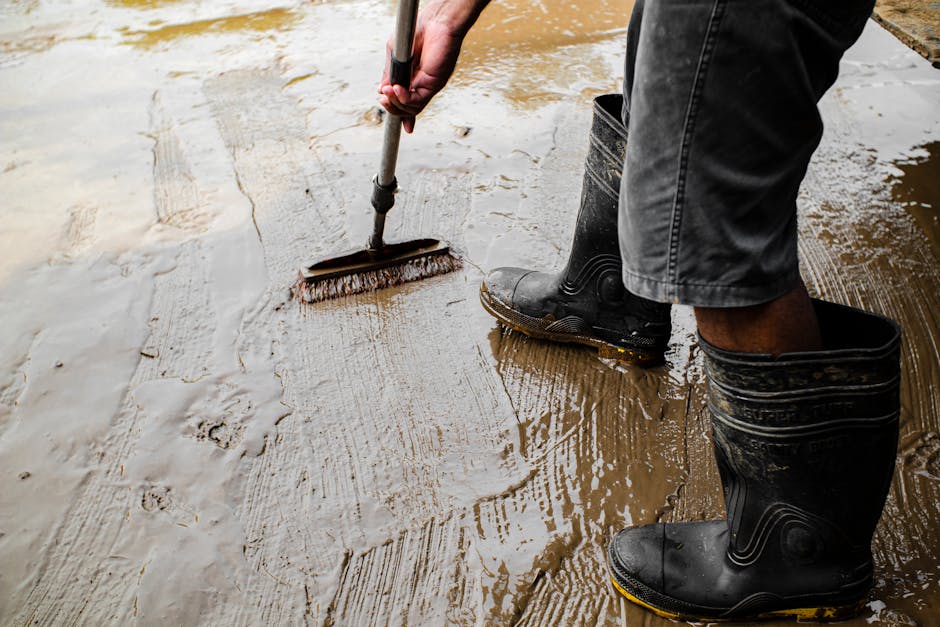
Lifting the shadow: Removing the remaining silt with a damp cloth
After brushing, you will likely notice a dusty, dull film left on the boot. This is the remaining fine silt that has clung to the surface oils of the leather. To lift this residue, you will need to transition to a damp cleaning method.
Mix a mild cleaning solution using a single drop of gentle, additive-free dish soap or saddle soap in a cup of room-temperature distilled water. Distilled water is highly recommended because tap water often contains hard minerals like calcium and magnesium, which can leave white ring-shaped stains on dark leather once dry.
Dip a clean, lint-free microfiber cloth into the soapy water and wring it out completely. The cloth should be barely damp, not wet. Excess water is a primary enemy of leather; if water saturates the hide, the leather will dry stiff and lose its natural suppleness.
Wipe the boot surface using light, circular motions. Do not scrub or press down hard. Work in small sections, and flip your microfiber cloth frequently to a clean, unused side so you are lifting the silt away rather than smearing it back across the leather.
Once you have wiped down both boots, take a second microfiber cloth dampened with only pure distilled water to wipe away any residual soap film. Finish by patting the boots dry with a clean, dry towel, then let them air-dry at room temperature for at least an hour before conditioning.
Restoring the finish: Tailoring your care to the specific leather type
You must identify your specific leather type before applying any liquid conditioners, balms, or polishes. Treating every western boot with the same standard bottle of oil can permanently darken lighter shades, ruin distressed textures, or flatten the nap of suede.
| Leather Finish Type | Primary Cleaning Tool | Conditioning Rule | Recommended Protection |
|---|---|---|---|
| Smooth Leather (Cowhide/Kidskin) | Horsehair brush & damp cloth | Use leather conditioner or balm | Neutral shoe cream & wax polish |
| Distressed Leather | Soft brush | Do not use conditioners or creams | Test water & stain protector first |
| Naked Leather (Nubuck/Matte) | Soft brush or cloth | Do not use conditioners or creams | Non-silicone water & stain protector |
| Suede | Nylon suede brush | Avoid all liquid conditioners | Non-silicone water & stain protector |
Smooth-finish leathers
For classic, smooth cowhide or kidskin styles, you want to restore the moisture that the dry mud pulled out. Apply a small, dime-sized amount of premium leather conditioner or leather balm to a soft cloth. Work it into the leather using gentle, circular motions across the entire boot.
Allow the conditioner to penetrate the leather for fifteen minutes, then buff the boots with a clean horsehair brush or microfiber cloth to restore their natural luster. For an extra layer of protection and to cover up minor scuffs, apply a thin coat of neutral shoe cream.
Distressed-finish leathers
Distressed finishes require extreme caution. The rugged, weathered appearance of distressed leather is easily ruined by standard leather conditioners, which will saturate the hide and permanently darken the leather, destroying the vintage character of the boot.
To maintain these finishes safely, avoid all heavy oils, conditioners, and shoe creams. If the leather feels exceptionally dry after cleaning, use only products specifically formulated for distressed finishes. Always test any protector or spray on a small, hidden area of the boot, such as the inner pull strap, to ensure it does not alter the color.
Naked-finish leathers and suede
Naked-finish leathers, nubuck, and suede are highly porous and lack a protective topcoat. Standard leather conditioners will instantly stain these materials, leaving dark, greasy spots that cannot be removed.
For suede, use a specialized nylon suede brush to gently restore the nap after the mud has been cleared away. For both suede and naked finishes, skip the moisturizing creams entirely. Instead, apply a high-quality, non-silicone water and stain protector spray to safeguard the boots against future wet weather.

Protecting your investment for the next journey
Regular cleaning and conditioning do more than just keep your boots looking beautiful; they prevent the leather from drying out, cracking, and wearing out prematurely. By taking the time to care for your boots properly, you ensure that your investment will continue to mold to your feet and provide comfortable wear for years to come.
Store your clean, dry boots in a cool wardrobe out of direct sunlight to prevent the leather from fading or drying out. If you are looking to expand your wardrobe or need a secondary pair to rotate during wet weather, browse our handcrafted western fashion boots in the Lane Boots Collections.