
How to protect western boots from city concrete and road salt

Claude

Stepping out of a subway station into a puddle of gray slush is the fastest way to test a pair of leather boots. For city dwellers wearing Lane Boots, the combination of highly alkaline concrete dust and corrosive winter road salt can dry out and ruin handcrafted leather in a single season. The absolute best defense is a proactive finish-specific conditioning routine and keeping direct heat away from wet leather. By implementing a simple, chemistry-backed cleaning protocol, you can preserve the integrity of your Western footwear against the harshest urban elements.
Why the city is a hostile environment for handcrafted Lane Boots
Urban pavements present a unique gauntlet of structural and chemical threats to premium western footwear. While classic leather is built to withstand pastures and dirt, city streets introduce synthetic compounds that actively degrade organic materials. If you walk daily on pavement, you are exposing your footwear to industrial-grade wear.
The chemical reality of concrete dust
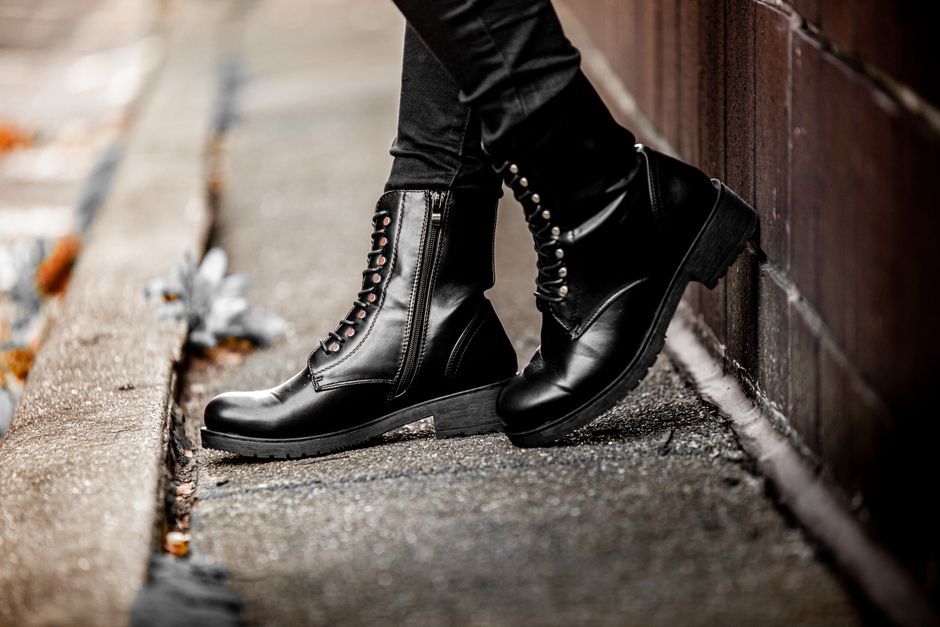
Concrete is not a neutral surface. It is highly basic and abrasive. According to an industrial footwear care analysis by BIKI, the alkaline nature of concrete dust strips natural oils directly from leather fibers. As these oils evaporate, the leather loses its flexibility. The material becomes dry, stiff, and highly susceptible to deep cracking along the natural flex points of your feet.
Every step on a concrete sidewalk grinds microscopic dust particles into the pores of the leather. This dust acts as a tiny desiccant, drawing out the moisture that keeps handcrafted boots soft. Without regular defense, even the toughest hide will shrink and weaken under the constant chemical draw of city pavement.
How road salt destroys fibers
Winter commuting introduces an even more aggressive threat: chemical de-icers and road salt. This winter mixture typically contains sodium chloride alongside calcium and magnesium carbonate. While these compounds melt ice, they are devastating to the protein bonds that keep leather strong.
When salty slush penetrates the boot upper, it carries dissolved minerals deep into the leather pores. As the water evaporates, those minerals recrystallize beneath the surface. Experts at Boots Guru detail how this recrystallization process physically pushes the leather fibers apart, causing irreversible blistering and bubbling on the surface.
Pre-treatment: defending Lane Boots before the first wear
Before stepping onto city concrete, you must establish a barrier on your premium western footwear. Pre-treating your boots prevents liquid salt and alkaline dust from setting deep into the pores. The method you choose must match the specific leather finish of your pair.
Smooth-finish vs. naked-finish leathers
Smooth-finish leathers like cowhide and kidskin require regular hydration to prevent urban drying. A high-quality leather balm or neutral cream fills the microscopic gaps in the grain. This hydration blocks water-borne salt from penetrating.
For naked-finish leathers like nubuck, matte, or suede, you must avoid heavy conditioners. Creams will immediately darken the leather and ruin the original texture. Instead, rely on a specialized non-silicone water and stain protector spray to create an invisible shield against the wet city pavement. You can read the specific manufacturing guidelines on the official Lane Boots Care & Cleaning Guide.
| Leather Type | Recommended Pre-Treatment | Frequency of Application |
|---|---|---|
| Smooth Cowhide | Leather balm or conditioning cream | Every 4 to 6 weeks |
| Suede & Nubuck | Non-silicone water and stain spray | Before first wear, then monthly |
| Distressed Leather | Spot-tested non-silicone spray | Seasonally |
| Oil-Impregnated | Deep oil-based conditioner | Every 2 months |
Choosing the right protector
Never use silicone-based waterproofing sprays on premium footwear. Silicone coats the leather in a plastic-like film, trapping moisture inside and stopping the material from breathing. This lack of airflow eventually rots the leather from the inside out.
Instead, look for fluorocarbon-based or natural wax-based protectors. These formulas coat individual fibers rather than sealing the entire surface. This preserves the breathability of your boots while letting water beads roll right off the toe.
The emergency protocol for road salt on women's western footwear
When you spot white, chalky lines forming on your boots, you are looking at an active chemical reaction. Leaving road salt on leather for even twenty-four hours allows the minerals to begin drawing out essential moisture. You need to act quickly to dissolve these deposits before they permanently stain the hide.
Vinegar and water solution
Do not try to scrub dried salt off with water alone, as this only spreads the minerals deeper into the grain. Instead, mix a solution of equal parts white vinegar and warm water. The mild acidity of the vinegar neutralizes the basic salts, dissolving the crusty white minerals safely.
Apply the mixture using a soft microfiber cloth. Avoid paper towels, as they break apart on textured leather and leave abrasive wood pulp fibers stuck in the stitching. Gently wipe the affected area, working from the outside of the stain inward to avoid spreading the mineral lines.
Re-conditioning after salt removal
Because the salt-removal process strips away some of the leather's surface oils, you must restore that hydration immediately. Once the boots are clean and slightly damp, apply a light layer of conditioner to smooth-finish styles. This step seals the leather fibers, restoring the natural pliability they had when they left the factory.
For suede or nubuck styles, wait until the boot is completely dry, then use a nylon suede brush to lift the nap. Once the nap is restored, reapply your non-silicone protector spray to re-establish the barrier against future winter slush.

Cleaning daily subway grime and dried mud from Lane Boots
City walking coats your boots in more than just salt. Subway stations, street runoff, and wet dirt leave a greasy film of soot and grime on the leather. Letting this daily buildup sit on your boots blocks the leather from absorbing air and moisture, causing it to dry out prematurely.
To protect your investment, make a habit of brushing off your boots after commuting. A soft horsehair brush is perfect for sweeping away loose grit from the welt and stitching. This prevents the grit from acting like sandpaper every time the boot bends.
If you encounter heavy mud during wet commutes, let it dry completely before trying to clean it. Wet mud is easily smeared into the natural pores of the leather, making it much harder to remove. Once the mud is dry, you can brush it off easily with a stiff-bristled brush, then wipe the remaining residue with a damp cloth. For more detail, read our step-by-step instructions on how to clean mud off leather boots without ruining the finish.
What city commuters get wrong about drying wet western boots
It is a common scenario: you come home from a rainy commute, your western boots are soaked, and you want them dry by morning. The natural instinct is to push them close to a radiator, use a hairdryer, or place them over a heating vent. This is the single most destructive thing you can do to handcrafted footwear.
The danger of direct heat
Leather is skin, and rapid temperature changes cause it to shrink and warp. Direct heat cooks the natural moisture right out of the collagen fibers, making the leather brittle. Once leather has been baked dry by a radiator, it will crack the very next time you step outside, and those cracks cannot be repaired by any conditioner.
Excessive heat also damages the structural adhesives inside the boot. It can weaken the bond between the sole and the upper, causing the leather to separate. For premium boots constructed with traditional methods, heat can even warp the interior footbed, permanently altering the fit of your footwear.
Natural drying methods
The safest way to dry wet boots is to let them air dry slowly at room temperature, away from direct sunlight and heat sources. To speed up the process safely, stuff the inside of the boots with plain packing paper or clean cotton towels. Do not use newspaper, as the ink can transfer to the inner lining of your boots.
The paper absorbs moisture from the inside while preserving the shape of the boot shaft. Change the paper every few hours if the boots are heavily saturated. Once dry, always follow up with a thorough conditioning session to replenish the natural oils lost during the soaking.
Protecting your western boots from the harsh realities of urban concrete and winter salt is simple if you stay consistent. By establishing a protective barrier early and treating salt stains immediately, you can keep your footwear looking beautiful for years to come. Take a look at your current care kit to make sure you have the right non-silicone formulas on hand, then explore the latest handcrafted styles in the Lane Boots Collections.


