Building cedar fences that pass Fairfield historic district reviews

Reliable Fence CT

When planning to replace a residential fence in Southport, Greenfield Hill, or the Old Post Road historic districts, local property owners face rigorous structural and material requirements. Reliable Fence CT helps homeowners navigate these aesthetic demands by designing and installing historic-compliant cedar boundary lines that satisfy the strict guidelines of the Fairfield Historic District Commission. By replicating traditional 19th-century profiles using our custom Pioneer cedar line, we ensure your project receives its Certificate of Appropriateness without unnecessary delays. This approach protects both your property value and your neighborhood's architectural heritage.
Navigating the Fairfield Historic District Commission review
Homeowners inside Fairfield's designated preservation zones cannot simply purchase pre-fabricated fence panels from a local home improvement center. The Fairfield Historic District Commission Handbook dictates the material, height, spacing, and post cap designs of any structure visible from a public way. In Connecticut, the legal definition of a structure is broad. It includes fences, gates, and walls, meaning almost any boundary marker visible from a street, public park, or waterway requires formal approval.
To obtain a Certificate of Appropriateness (COA), property owners must submit detailed architectural drawings, site plans, and material samples. This commission evaluates visibility based on winter conditions, ignoring any temporary screening provided by summer leaves or deciduous hedges. If a fence can be seen when the leaves fall, it falls under the commission's jurisdiction.
The review process begins with a pre-application meeting where you present your preliminary concepts to the commission. Our team at Reliable Fence CT helps gather the necessary documentation, including elevation drawings and street-view maps, to prove the proposed fence matches the historic architecture of your home. This preparation prevents the common back-and-forth revisions that stall landscape projects for months.
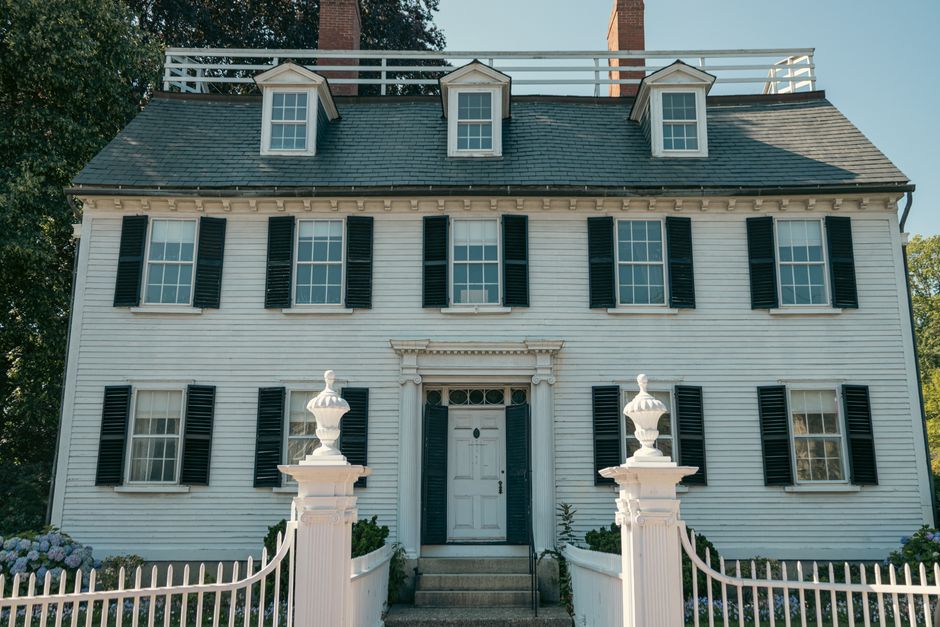
Sourcing and milling custom Pioneer cedar fences for historic compliance
Modern pressure-treated wood is treated with chemical preservatives that leave a distinct greenish tint and coarse surface texture. These modern materials fail visual inspections because they do not reflect the natural weathering characteristics of old-growth timber. For projects requiring strict historic fidelity, natural wood is the only acceptable option.
We use our custom Pioneer wood fence line to replicate the clean, traditional lines required by local guidelines. Property owners can view these historical styles and browse our full selection of products and styles to find a design that fits their home's specific era.
The Pioneer cedar specifications
Our Pioneer cedar system uses molded 1x3-inch pickets set with sturdy backer rails. This specific dimension closely mimics the fence profiles common in New England during the 18th and 19th centuries. The narrow picket width and precise spacing allow wind to pass through while maintaining a delicate, balanced appearance that complements historic facades rather than overpowering them.
Unlike modern flat-top pickets, these boards are individually milled to feature traditional cap details, such as spade, gothic, or soft-rounded tops. This attention to detail ensures the finished installation looks like a natural extension of the original property rather than a modern addition.
Traditional joinery versus modern fasteners
The way a fence is put together matters just as much as the wood itself. Standard modern construction relies on heavy, face-nailed galvanized fasteners that can bleed rust stains down the front of white-painted cedar over time.
To satisfy both the aesthetic demands of the commission and the physical demands of Connecticut weather, we use hidden stainless steel fasteners. These screws are driven through the back of the rails into the pickets. This technique hides the fastening points from public view while preventing the wood from splitting as it expands and contracts during seasonal temperature swings.
| Feature | Historic-Compliant Pioneer Cedar | Modern Big-Box Panel Wood |
|---|---|---|
| Material | Northern white cedar or western red cedar | Pressure-treated pine or spruce |
| Picket Dimensions | Molded 1x3-inch historic profile | Flat-cut 1x4-inch or 1x6-inch dog-ear |
| Fasteners | Stainless steel ring-shank nails or hidden backer screws | Galvanized staples or face screws |
| Visual Grade | Select knot-free or tight-knot appearance | High knot density, prone to bleeding |
| Installation | Follows terrain grade without gaps | Stepped panels leaving triangular gaps |
Managing fence installation on uneven Connecticut terrain
Fairfield County is famous for its rolling hills, ledges, and uneven coastal soils. Installing a straight fence on a slope without leaving large, ugly gaps at the bottom is one of the hardest parts of historic property work.
The Historic District Commission expects fences to follow the natural contour of the land. If you use rigid, pre-assembled fence panels, you are forced to step the panels like stairs. This leaves open triangular gaps at the bottom of each section, which looks messy and fails to contain small pets.
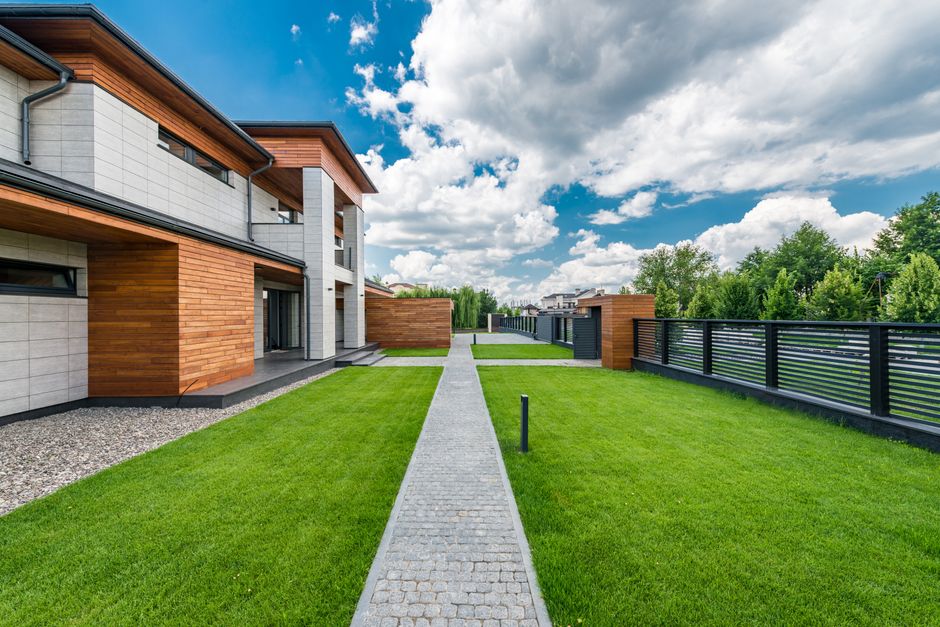
To solve this, our experienced crews build each section piece-by-piece directly on your property. This on-site construction allows the fence to follow the natural slope of your yard perfectly, keeping the top rail smooth and parallel to the ground. You can learn more about how we handle these challenging landscapes by visiting Reliable Fence CT.
We also take steps to hide the modern installation techniques from view. While we use strong concrete footings to keep the posts stable during winter freezes, we pour the concrete deep below the grass line. We then backfill the hole with native soil, keeping the concrete completely hidden so your fence retains its historic, earth-set look.
What surprises Fairfield property owners during the process
Many homeowners assume that high-quality synthetic materials will be accepted if they look close enough to the real thing. However, the Fairfield local historic guidelines are strict about modern substitutes.
Material restrictions
We offer excellent low-maintenance options, such as our popular 6FT Suburban PVC line. While these vinyl fences are perfect for many modern Connecticut neighborhoods, they are not allowed in visible historic zones. The commission does not permit vinyl or composite materials because they do not weather, warp, or age like real wood. Even high-end composites designed to look like painted wood will be rejected during your review.
If your property has a hidden backyard that is completely out of sight from any public streets, sidewalks, or parks, you might be able to use these low-maintenance materials there. However, any boundary line that can be seen from a public space must be built with real, natural wood.
Project timelines
The biggest hurdle for most historic projects isn't the physical construction, but the calendar. Under Connecticut state law, the local historic commission has up to 65 days from the date you file your application to make a final decision.
The commission meets once a month, usually on the second Thursday. All application paperwork and materials must be physically mailed to Sullivan Independence Hall at 725 Old Post Road. The town does not accept digital emails or hand deliveries, and all submissions must arrive by Wednesday afternoon of the week before the meeting. If you miss this deadline by even an hour, your project could be delayed by an entire month.

Why precise preservation preserves property values
Cutting corners on a historic fence project carries significant financial risks. If you install a fence without a formal Certificate of Appropriateness, the town has the legal authority to issue a stop-work order or force you to tear the entire structure down at your own expense.
This strict enforcement is illustrated in Connecticut legal history, such as the landmark case Gibbons v. Historic District Commission, which centered on a property at 211 Harbor Road in Southport. The case confirmed that the commission has broad authority over any structures visible from public ways, including historic waterways like Southport Harbor.
Taking the time to do things right pays off. A beautiful, historically accurate cedar fence enhances your home's curb appeal and preserves its long-term value. We have spent over 58 years helping local families navigate these precise building requirements.
Our commitment to matching historic styles was recognized when we won first place at the American Fence Association Awards in Salt Lake City, Utah, for our custom wood and vinyl work. This award-winning project involved a two-year design process with homeowner Dr. Golia, who selected a custom horizontal cedar tongue-and-groove board fence that perfectly balanced modern durability with historic elegance.
If you are planning to add custom features like arbors or pergolas to complement your new fence, you can read our guide on how custom arbors transform historic properties to see how these traditional details can tie your entire landscape design together.
Working with a contractor who understands both local historical guidelines and the physical realities of Connecticut's changing seasons is the best way to ensure your project goes smoothly. By combining historic styles with modern building techniques, you can enjoy a beautiful, secure fence that will protect your property for decades to come.
To get started on your historic-compliant fencing project, contact the team at Reliable Fence CT today to schedule your free, no-obligation estimate.


