When enterprise hosts organize offsite events during major conventions like CES or Black Hat, standard hotel conference rooms often fail to provide the necessary isolation and exclusivity. To resolve this, veteran corporate planners bypass traditional casino hospitality to secure private residences like Tiger Mansion LV, a private estate near Sunset Park. However, managing an off-market private residence introduces complex logistics that do not exist in a resort setting. This vetting protocol details how experienced event teams evaluate a property's physical limits, security boundaries, and infrastructure capacity to ensure it can support an executive-level gathering.
The operational reality of private estate staging
Evaluating a private estate for corporate use requires a shift in perspective. A property that looks exceptional in online photos can quickly fall apart under the weight of real-world production. Planners must look beyond the cosmetic styling and interrogate the hard utilities that make an event function.
According to industry insight from Gianna & Company, the most common mistake when renting a private estate is selecting a property based on visual appeal without vetting the underlying infrastructure. Power is the most common point of failure. A typical household electrical system cannot handle the synchronized load of catering equipment, professional lighting setups, and high-capacity audio systems.
When staging events at Tiger Mansion LV, planners must verify power distribution early. It is necessary to map out where high-draw equipment will connect and determine if supplemental generator power is required.
Catering staging is another area where standard venues differ from private residences. Hotel ballrooms have back-of-house service corridors and built-in kitchens. At a private estate, your catering team must build a temporary kitchen workspace from scratch.
This makes the physical layout of the estate's central kitchen particularly important. For detailed load-in logistics and power mapping, planners can consult The site-scouting guide to Tiger Mansion: Access, staging, and production flow.
Managing the VIP arrival sequence and security perimeter
Security is often the primary reason corporate hosts choose a private residence estate rather than a public hotel. In a resort, VIP guests must navigate public lobbies, casino floors, and crowded elevators before reaching a meeting space. A private estate offers a single point of entry, allowing you to establish a secure perimeter from the outer edge of the property.
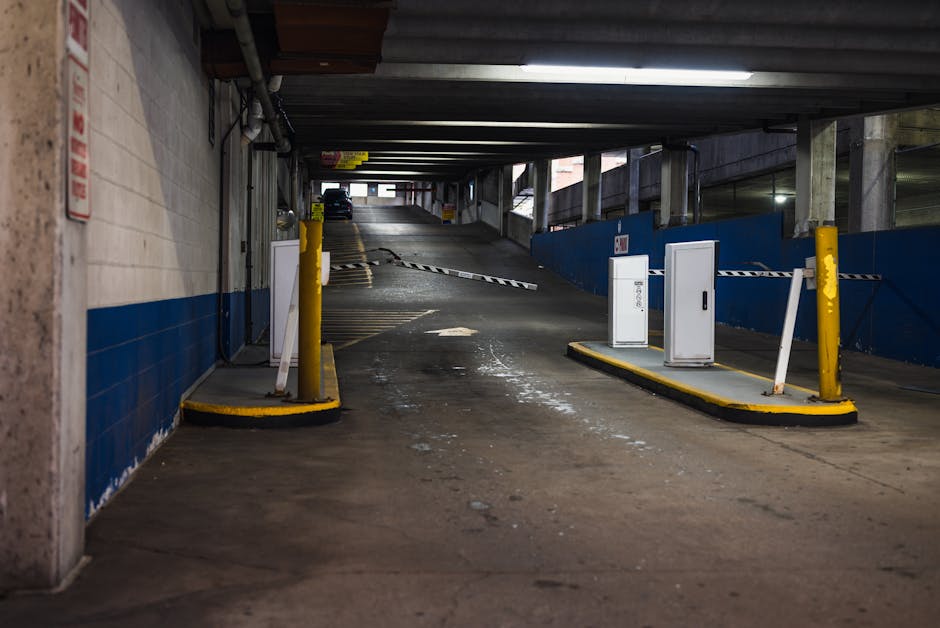
The physical entrance must be assessed for vehicle throughput. Can a shuttle, executive sprinter, or standard town car easily negotiate the turning radius of the gate? Is there enough space for a security team to check credentials without causing a traffic backup on public roads?
At Tiger Mansion LV, the arrival sequence is defined by a gated entry that leads immediately into a dedicated porte-cochère. This structure provides a covered drop-off point where guests can exit vehicles away from public view.
Evaluating initial gate and vehicle flow
The physical mechanics of the gate must be vetted. A slow gate mechanism can cause a bottleneck when a wave of attendees arrives simultaneously.
Planners should coordinate with estate staff to understand the gate opening speed. It is best to verify if it can be locked in an open position during peak arrival windows. This allows your security team to manage access manually.
Setting the psychological tone upon entry
The first thirty seconds of guest arrival establish the tone for the entire gathering. Standard commercial venues offer corporate signage, which can feel clinical. A private estate relies on architectural character to create a sense of arrival.
The entrance sequence at Tiger Mansion LV utilizes the Koi Lair to transition guests away from the noise of the city. This palm-lined arrival feature contains a freshwater water feature with a flourishing ecosystem of koi and goldfish. It functions as a visual and auditory barrier, signaling that guests have entered an exclusive, private territory.
Demystifying the inquiry and approval booking model
Traditional event spaces operate on volume. Their goal is to fill the calendar with back-to-back bookings, often leading to a lack of maintenance and a generic, commercial atmosphere. High-end private estates do not follow this transactional model. Instead, they utilize a strict inquiry and approval process.
This two-way vetting process ensures that the goals of the host match the standards of the property. Planners must be prepared to share detailed information about their guest demographic, the precise schedule of activities, and the specific vendors they intend to use. This level of scrutiny protects the estate's physical legacy and ensures a high-quality environment for every approved group.
The reasoning behind this selective approach is simple and grounded in property preservation. The estate management explains that they are inviting people into a home, meaning they must ensure that all private guests respect the property. They actively curate the company they keep to maintain the integrity of the space.
Planners looking to understand how this selective model protects the quality of corporate events can read more about Why enterprise planners bypass self-serve venue marketplaces for private estates. This model ensures that your event does not share a wall with an unrelated party, a common risk when utilizing mass-market booking platforms.
Coordinating modular flow across multiple activation zones
A successful offsite requires a space that can adapt as the day progresses. If attendees remain in a single room for eight hours, engagement levels drop. Planners must evaluate how guests will transition between general sessions, small breakout discussions, and casual networking areas.
A private estate must offer distinct physical zones that can be activated independently. Tiger Mansion LV features nearly 18 distinct areas across the property, allowing hosts to design a modular experience. Guests can transition from a morning strategy session in a grand interior room to an afternoon breakout on the outdoor lawn. This variety keeps the schedule active without requiring off-site transportation.
The interior of the estate offers several highly specific environments that serve as natural conversation starters. The grand entrance features black granite floors, tall columns, and custom Versace lion statues designed by the late Gianni Versace.
Moving deeper into the property reveals the main gallery, which houses a historic four-walled, floor-to-ceiling Mike Tyson boxer mural lit by an extraordinary grand crystal chandelier. These architectural details date back to the property's historical eras, offering a physical connection to Las Vegas history that a standard hotel cannot duplicate.
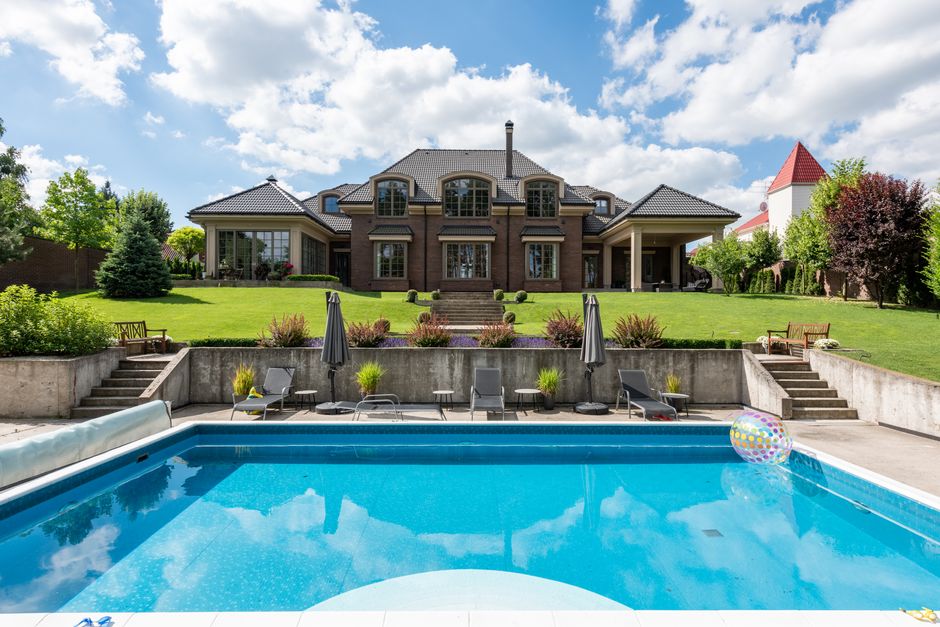
For outdoor hospitality, the transition from the interior leads to the Outdoor Tiger Terrace. This elevated terrace area overlooks the resort-style pool, deck, grotto, and waterfalls. The 80,000-gallon pool provides a dramatic backdrop for evening receptions, offering a quiet oasis that feels completely removed from the commercial energy of the Strip.
Transitioning from evaluation to execution
When the physical tour is complete, the final step in the vetting protocol is a rigorous review of operational boundaries. Because a private estate is a residence rather than a public banquet hall, there are specific legal and structural limits that do not exist at commercial hotels.
Planners must explicitly confirm what is permitted on the grounds. For instance, Tiger Mansion LV does not operate as a wedding venue or a public banquet hall. It is a private residence estate reserved for approved corporate gatherings, executive retreats, and private content productions. Understanding these classification differences is necessary for avoiding zoning issues.
To streamline the final vetting stage, corporate event teams should utilize a standardized set of operational metrics to evaluate potential properties:
| Operational Metric | Private Estate Requirement |
|---|---|
| Power Capacity | Must support catering kitchens and production lighting without tripping breakers. |
| Arrival Clearance | Gate width and turning radius must accommodate executive shuttles and sprinter vans. |
| Space Versatility | Property must offer multiple distinct indoor and outdoor zones for breakout sessions. |
| Discretion Level | Perimeter must be entirely private and secure from public pedestrian traffic. |
| Acoustic Limits | Sound must comply with local neighborhood guidelines, particularly for outdoor evening receptions. |
By systematically verifying each of these infrastructure points, event hosts can ensure their off-Strip gathering runs without operational friction. Taking the time to ask these unglamorous logistical questions before signing a contract is what separates a successful, high-impact offsite from an operational disaster.
To evaluate the property for an upcoming offsite, submit a corporate event inquiry or request a private site tour through the Contact | Reach Out to Us — TIGER MANSION page.