A house mouse can squeeze through a gap the exact width of a standard number two pencil, while a rat only needs an opening the size of a quarter. When the Sacramento heat breaks in late fall, roof rats and house mice aggressively seek shelter in attics and wall voids across Citrus Heights, Folsom, and Roseville. The team at USA Pest Management treats these seasonal invasions not just by trapping the immediate pests, but through mechanical rodent exclusion — identifying and permanently sealing every structural vulnerability. Effective rodent-proofing requires replacing temporary fixes like spray foam with steel mesh and heavy-duty materials, a process that stops the cycle of re-entry and protects the home long-term.
Understanding Sacramento's local rodent populations
Before attempting to seal a home, you must understand exactly which pest you are fighting. In the Sacramento valley, homeowners face two distinct rat species alongside the common house mouse. Knowing their habits dictates where you look for vulnerabilities and how you deploy traps.
Our region's intense summer heat and wet winters dictate rodent movement. As wild vegetation dries out in the summer or drowns in the winter rains, these pests migrate toward residential properties in search of food and water. For older, established neighborhoods like Orangevale and Carmichael, mature landscaping and older construction styles provide easy pathways and hidden entries that newer subdivisions in Folsom or Roseville might not have.
According to the UC Statewide IPM Program, the two primary rat species in Northern California have completely different nesting and travel habits:
| Rodent Type | Physical Characteristics | Nesting Preferences | Common Travel Paths |
|---|---|---|---|
| Roof Rat (Rattus rattus) | Sleek body, large ears, tail is longer than the head and body combined. | Elevated areas, attic spaces, false ceilings, and mature trees. | Utility lines, fence tops, and overhanging tree branches. |
| Norway Rat (Rattus norvegicus) | Stocky body, small ears, blunt nose, tail is shorter than the body. | Ground-level burrows, crawl spaces, and under concrete slabs. | Foundations, basement floors, and low-lying vegetation. |
| House Mouse (Mus musculus) | Small body, large ears, light brown or gray fur. | Inside wall voids, dark cabinets, and cluttered storage spaces. | Floor-level baseboards and behind kitchen appliances. |
With over 40 years of local industry experience, USA Pest Management has found that roof rats are the most common culprit for attic noises in the Sacramento metro area. They utilize the mature tree canopy to jump directly onto roofs, bypassing ground-level traps entirely. Understanding this behavior is the first step in designing an effective barrier system.
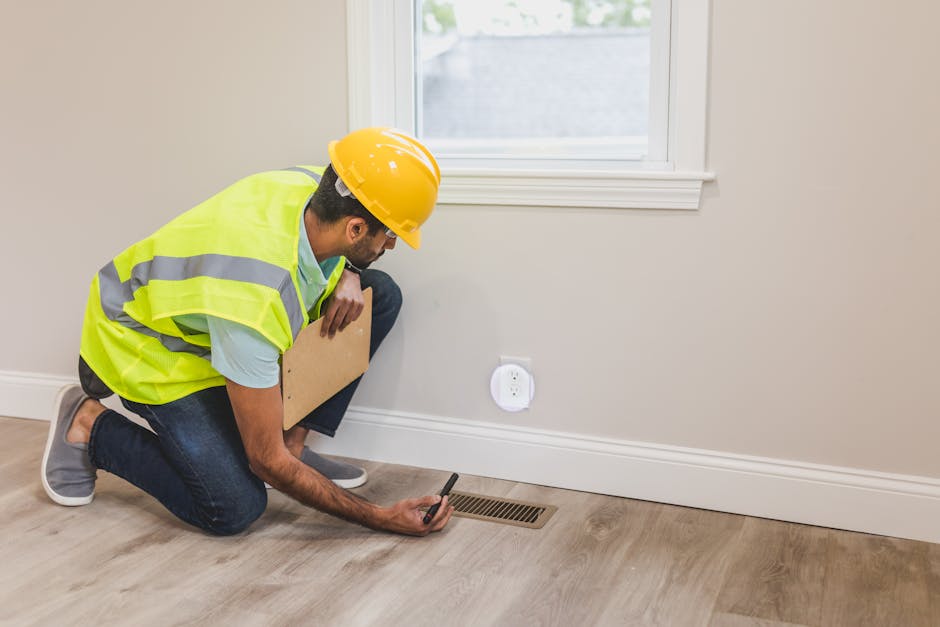
Inspecting the exterior for hidden entry points
An effective exclusion program begins with a meticulous inspection of the property's exterior. At USA Pest Management, our team starts by discussing your specific observations before conducting a thorough physical search of the structure. We look for active signs of travel, such as grease rub marks, droppings, and fresh gnawing.
To perform this inspection yourself, you need to think like a rodent. You are looking for any gap wider than a quarter-inch. As part of our professional Residential Pest Control services, we systematically examine the entire building envelope, from the soil line to the highest roof ridge.
Ground-level vulnerabilities
The crawl space and the lower foundation are highly susceptible to Norway rats and house mice. Crawl space access doors must fit tightly without gaps. Look closely at the foundation vents. Over time, the lightweight wire mesh originally installed on these vents rusts, tears, or gets pulled away by feral animals.
Weep holes in brick siding are another frequent entry point. While these gaps are necessary for wall ventilation and moisture drainage, they are often wide enough to admit mice. Utility penetrations—where plumbing, electrical wires, and HVAC lines enter the home—often leave large, unsealed voids behind the exterior trim.
Roof and attic access points
Because roof rats are skilled climbers, you must inspect the upper portions of your home with equal care. Gable vents and attic vents are primary targets. If these vents are screened with cheap plastic or lightweight aluminum screen, rats will chew through them within hours.
Examine the eave lines and the joints where different roof angles meet. Construction gaps, particularly where the roof decking meets the fascia board, frequently leave openings. The CDC guidelines on sealing up homes emphasize that any opening the width of a pencil must be sealed to keep out mice. If a gap allows airflow, rodents will detect the warm air escaping from your home and chew until the hole is large enough to enter.

Why material selection dictates exclusion success
Many homeowners attempt to solve a rodent problem with a quick trip to the local hardware store for a can of expanding foam or a tube of standard caulk. This approach almost always fails. Rodents possess continuously growing incisors that allow them to gnaw through wood, vinyl, plastic, and soft metals.
USA Pest Management relies on heavy-duty, professional-grade materials designed to withstand persistent gnawing. If the material cannot resist their teeth, the exclusion work is temporary at best.
The problem with spray foam
Expanding polyurethane spray foam is excellent for draft control and insulation, but it offers zero resistance to hungry pests. The EPA Indoor airPLUS Technical Bulletin explicitly warns that rodents easily chew through spray foam, wood, and plastic. In fact, the soft texture of cured foam actually invites rodents to chew, as it provides a satisfying material for their nest-building instincts.
Using standard silicone or acrylic caulk alone is similarly ineffective. While caulk can seal out weather, a rat will make short work of it if they smell food or feel warmth on the other side. These materials should only be used as sealants over the top of hard physical barriers, never as the barrier itself.
Professional-grade barriers
To create a permanent seal, we use materials that rodents physically cannot chew through. The standard for professional pest control is galvanized steel hardware cloth with a 1/4-inch mesh size. This sizing blocks mice while the galvanized coating prevents rusting in our wet winter weather.
For smaller gaps and cracks around pipes, we pack the opening tightly with stainless steel or copper mesh before sealing it with a high-quality exterior sealant. Unlike steel wool, which rusts and degrades quickly when exposed to moisture, stainless steel and copper mesh remain intact for years. For larger construction gaps along rooflines or siding transitions, we install custom-bent sheet metal flashing. This creates a smooth, hard surface that gives rodents no edge to grip with their teeth, stopping their chewing instincts.
Operational maintenance tips for a rodent-free perimeter
Once your home is physically sealed, you must manage the environmental factors that attract rodents to your property. Mechanical exclusion is highly effective, but reducing the local population pressure makes the barriers last longer. If rodents have no reason to linger near your foundation, they are far less likely to test your defenses.
Maintaining a clean, unappealing perimeter requires consistent yard care. USA Pest Management recommends a few practical steps to protect your property from becoming a rodent breeding ground:
- Trim all tree branches and climbing vines back at least three to four feet from your roofline to eliminate the roof rat's aerial highway.
- Keep lawn grass mowed short and thin out dense ornamental plantings to eliminate hiding cover near the foundation.
- Clean up fallen citrus, nuts, and vegetables from backyard gardens daily, as these are primary food sources for local pests.
- Store pet food and chicken feed in heavy-duty plastic or metal bins with tight-fitting lids, and never leave pet bowls filled overnight.
- Secure your compost bins with 1/4-inch steel mesh along the bottom to prevent rodents from burrowing up into the organic waste.
If you already have an active infestation inside your crawl space or attic, sealing the exterior immediately can trap the pests inside. This is why we combine mechanical exclusion with professional Rodent Removal strategies. Our team installs secure baiting systems to manage the exterior population while utilizing interior traps to clean out any trapped pests.
Learn more About USA Pest Management's 40 years of service in Citrus Heights and the surrounding Sacramento communities. We are a family-owned, military-connected company dedicated to solving your pest problems with honesty and technical precision.
If you hear scratching in your walls or find droppings in your garage, call USA Pest Management today at 916-990-2167. Our technicians will inspect your property, install secure baiting systems, and physically seal your home using professional-grade materials to keep rodents out permanently.