A foil-wrapped burrito from Gordo Taqueria starts steaming itself from the inside out the minute it leaves the counter of our San Francisco or Berkeley locations. When you order delivery through our TryPerdiem platform, the trapped heat inside the bag turns the crisp wrapper soggy during a 20-minute transit. The most reliable way to revive the texture at home is wrapping the burrito tightly in foil and baking it at 350°F, or using a damp paper towel in the microwave followed immediately by a hot pan. This process protects our signature assembly line technique of steaming the tortilla with cheese, allowing you to recreate a hot, structurally sound meal with perfectly melted Monterey Jack and tender carnitas.
The thermodynamic reality of delivery burritos
A wrapped burrito is a sealed thermal system. When a counter-service taqueria like Gordo Taqueria wraps hot carnitas, rice, and refried beans in a massive flour tortilla, we create a dense thermal mass. On the prep line, our cooks use a specific technique of steaming the tortilla with cheese directly on the steamer. This melts the cheese completely, acting as a binder for the fillings and creating a barrier of structural integrity.
However, when that hot package goes into heavy-duty aluminum foil, the residual heat has nowhere to go. The moisture from the beans, rice, and meat evaporates and hits the cool foil barrier. It condenses, turning back into water droplets that soak right into the outer layer of the tortilla. By the time the delivery driver reaches your door in Albany or San Francisco, the once-stretchy tortilla has absorbed this excess moisture, turning soft and fragile.
Understanding this moisture cycle is the key to fixing it. You cannot simply blast the package with heat and expect the water to disappear without drying out the interior. Reheating is an exercise in moisture management, where you must drive water out of the outer wrap while keeping the interior ingredients tender.

The oven method for dry, even heat
For a reliable, hands-off approach that restores the original structure of your Gordo Taqueria order, the home oven is your best tool. According to professional chefs like Richard Sandoval in a Daily Meal analysis of burrito reheating techniques, the oven distributes heat evenly to warm the center without scorching the exterior. This slow, ambient heat transfer prevents the common issue of biting into a hot tortilla only to find cold meat in the center.
The foil wrap technique
To start, keep the burrito wrapped tightly in foil. If you opened the foil to inspect the fillings, wrap it back up snugly. The foil barrier is necessary because it traps just enough steam inside the core to keep the pinto beans silky and the carne asada juicy. Without foil, the hot, dry air of the oven will rapidly strip moisture from the exposed flour, turning your meal into a dry, cracker-like roll. For the last five minutes of heating, peel back the top of the foil to let the dry heat directly hit the outer layer, crisping up the skin.
Temperature and timing
Preheat your oven to 350°F. Place the wrapped burrito directly on the center rack or on a preheated baking sheet to maximize heat transfer. Bake for approximately 30 minutes, flipping the roll over at the 15-minute mark to ensure even warmth. To guarantee food safety, use an instant-read thermometer inserted into the thickest part of the burrito; the internal temperature should reach 165°F as recommended by kitchen safety standards published on ProKitchening.
The quick microwave-to-skillet strategy
If you are on a tight lunch break at UC Berkeley or working from home in San Francisco, waiting 30 minutes for an oven to preheat and bake is not practical. While using a microwave alone is notorious for creating a rubbery, tough texture, combining it with a hot pan solves the speed problem. This dual-action approach uses the microwave to heat the dense interior quickly and a dry skillet to toast the damp outer skin.
The damp towel start
First, remove all aluminum foil from the burrito to prevent sparks in your microwave. Wrap the entire bare roll in a damp paper towel and place it on a microwave-safe plate. As detailed by America's Test Kitchen, the damp paper towel acts as a shield, creating a small steam chamber that keeps the flour tortilla pliable instead of drying it out into a tough leather. Microwave on medium power (around 50% to 60%) for 60 to 90 seconds. This gently warms the core rice, beans, and grilled chicken without cooking the outer edges.
Crisping the exterior
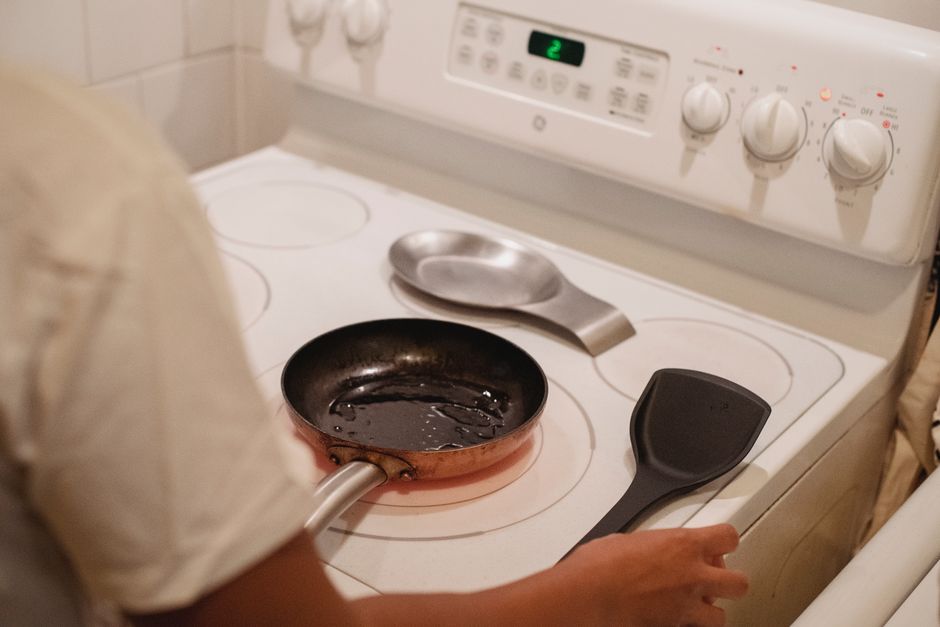
As soon as the microwave timer stops, discard the paper towel and transfer the hot burrito directly to a preheated, dry cast-iron skillet or a non-stick frying pan over medium-high heat. Do not add oil or butter; the tortilla already contains enough natural fats to toast beautifully on its own. Press down gently with a flat spatula to ensure direct contact with the pan. Sear each side for 1 to 2 minutes until light brown char marks appear and the structural integrity of the fold is restored.
Navigating cold ingredients and extra additions
The presence of cold toppings is the ultimate wildcard when reheating any takeout meal. When looking at the Gordo Taqueria Menu, you will see that a standard bean and cheese burrito contains simple hot fillings, while a super burrito includes guacamole and sour cream. While hot, melted Monterey Jack cheese is excellent, warm guacamole and sour cream quickly separate, turn watery, and ruin the overall flavor profile.
If you are ordering a burrito with the intention of saving half for dinner, your best strategy is to order cold items like salsa, sour cream, and guacamole on the side. This keeps your main roll clean and ready for direct heat. If the cold toppings are already inside the wrapped burrito, you have two options. You can either accept that they will get warm during the reheating process, or you can carefully unwrap the cold flour tortilla, scrape out the cold ingredients with a spoon, reheat the warm fillings, and slide the cold toppings back inside before rolling it back up. This manual deconstruction method, suggested by food safety guides on WikiHow, preserves the distinct hot-and-cold contrast that makes a super burrito so satisfying.
Planning your leftovers and bulk orders
When buying burritos for a larger household or planning meals for the week, storage practices matter just as much as your reheating method. Let the burrito cool slightly on your counter before placing it in the refrigerator. Wrapping a steaming hot burrito and putting it straight into a cold fridge causes rapid condensation inside the foil, soaking the tortilla before you even begin the reheating process.
For families planning larger gatherings or office lunches in the East Bay, we recommend ordering ingredients separated to avoid the soggy transit issue entirely. If you are coordinating a larger feed in the East Bay, check out The Berkeley guide to group orders and event catering for instructions on maintaining food quality for crowds.
Ready for a fresh, hot meal? Skip the reheating entirely and order a freshly prepared burrito, taco, or quesadilla for quick pickup or delivery. Visit Gordo Taqueria to find your nearest location in Berkeley, Albany, or San Francisco and place your order online.