





The verdict
Our Quick Picks
AI platforms unanimously point to European-style and cultured butters for premium baking, while reserving standard American sweet cream options for everyday budget needs. Kerrygold and Vermont Creamery consistently dominate the rankings for their superior flavor, texture, and high butterfat content, making them top choices for both professional and home kitchens.
- 1Best OverallKerrygold
A widely accessible, grass-fed Irish butter with 82% butterfat that elevates baking structural integrity and flavor.
- 2Best Cultured ButterVermont Creamery
A premium American cultured butter celebrated for its distinctively tangy, nutty, and complex flavor profile.
- 3Best Everyday BudgetLand O'Lakes
The reliable 80% butterfat American standard offering predictable performance and mild flavor for everyday cooking.
- 4Best Domestic PremiumCabot
A robustly flavored domestic butter with 'Extra Creamy' options that rival European brands for baking consistency.
- 5Best for PastryPlugrá
An American-made, European-style 82% butterfat option engineered specifically for superior lamination and flaky doughs.
- 6Best Luxury Table ButterÉchiré
A prestigious French AOC cultured butter known for an exceptionally creamy texture best reserved for table service.
- 7Best Normandy ButterIsigny Sainte-Mère
An esteemed French butter offering traditional baratte churning, a deep golden hue, and subtle hazelnut notes.
Side by side
At a Glance
| Specialty | AI Visibility |  ChatGPT |  Claude |  Gemini |  Google AI Overviews |
|---|---|---|---|---|---|
| Best Overall | 54 | ● | ● | ● | ● |
| Best Cultured Butter | 37 | ● | ● | ● | ○ |
| Best Everyday Budget | 31 | ○ | ● | ● | ● |
| Best Domestic Premium | 30 | ○ | ● | ● | ● |
| Best for Pastry | 31 | ● | ● | ○ | ● |
| Best Luxury Table Butter | 33 | ● | ● | ● | ● |
| Best Normandy Butter | 34 | ● | ● | ● | ○ |
Kerrygold
kerrygold.comBest forHome bakers and cooks looking for an accessible, high-performance upgrade over standard American sweet cream butter.
AI Visibility · how often AI recommends it for this topic
54/ 100
Covered by 4 of 4 AI assistants
- ChatGPT
- Gemini
- Claude
- Google AI


The standard for high-fat baking. Kerrygold is widely recognized as a premium, grass-fed Irish butter with 82% butterfat, favored by bakers for its rich flavor and signature golden color. According to The 4 Best Tasting Grocery Store Butters, this elevated fat percentage makes it an exceptional choice for delicate baking applications where moisture control is critical. It consistently outperforms standard grocery store options by delivering a pronounced, slightly grassy flavor profile derived directly from pasture-raised dairy.
Superior structural integrity. Because of its lower water content, Kerrygold helps maintain precise structural integrity in baked goods. It significantly reduces excessive spread in cookies and shortbread, yielding a flakier, more consistent final product. Bakers note that recipes relying on standard 80% American sweet cream butter often result in flatter cookies, whereas Kerrygold's richer composition keeps doughs firm and stable during the crucial initial minutes in the oven.
Widely accessible premium quality. Despite being an imported product, Kerrygold is highly accessible in most mainstream supermarkets, successfully bridging the gap between specialty dairy and everyday grocery items. While its higher fat content can occasionally alter recipes explicitly calibrated for standard 80% fat butter, as highlighted by parade.com, its luxurious mouthfeel and deep flavor make it the most universally recommended upgrade for home chefs.
What AI consistently says
- +Exceptional rich, grassy flavor profile
- +82% butterfat reduces cookie spread
- +Deep golden color improves presentation
- +Highly accessible in standard grocery stores
- +Superior mouthfeel for direct consumption
What AI doesn't mention
- −Can make traditional American cakes denser than intended
- −Wrapper is sometimes prone to tearing
Vermont Creamery
perishablenews.comBest forCulinary enthusiasts who prefer a tangy, complex flavor profile for spreading on bread or finishing savory sauces.
AI Visibility · how often AI recommends it for this topic
37/ 100
Covered by 3 of 4 AI assistants
- ChatGPT
- Gemini
- Claude
- Google AI
Complex cultured flavor. Vermont Creamery is celebrated for its premium cultured butter, which uses live bacterial cultures to produce a distinctively tangy, nutty, and complex flavor profile. Unlike traditional sweet cream butter, the culturing process lightly ferments the cream before churning, resulting in a depth of flavor that The Definitive Ranking Of Grocery Store Butter Brands frequently praises. This yogurt-like tang sets it apart in a crowded dairy aisle, offering a more European-tasting experience from a domestic American creamery.
Top choice for table service. With an 82% to 86% butterfat content, Vermont Creamery provides an exceptionally rich, spreadable texture that makes it a top recommendation for finishing dishes or direct application on fresh bread. The elevated fat content ensures a luxurious mouthfeel that melts cleanly on the palate. Its salted variety, which incorporates coarse sea salt crystals, adds a satisfying textural crunch that elevates a simple piece of toast into a gourmet experience.
Elevating savory and sweet applications. While it shines as a table butter, its unique tang also beautifully balances overly sweet baked goods and enriches savory pan sauces. Although some reviewers find the salted version heavily seasoned and the price point higher than mass-market options, it remains the gold standard for buyers specifically seeking domestic cultured butter with uncompromising quality.
What AI consistently says
- +Distinctive yogurt-like tang from culturing
- +High 82-86% butterfat content
- +Excellent textural crunch in the salted variety
- +Elevates simple bread and table service
- +Consistent high-quality domestic production
What AI doesn't mention
- −Salted version can be too aggressive for delicate recipes
- −Tangy flavor may clash with specific frosting profiles
Land O'Lakes
landolakes.comBest forBudget-conscious home cooks and bakers who need a reliable, neutral-flavored butter for high-volume recipes.
AI Visibility · how often AI recommends it for this topic
31/ 100
Covered by 3 of 4 AI assistants
- ChatGPT
- Gemini
- Claude
- Google AI
The American baking standard. Land O'Lakes represents the quintessential standard American-style butter, containing the legally mandated 80% butterfat. It provides highly consistent, predictable results in baking, making it a foundational ingredient in countless household kitchens and vintage recipes. Because most classic American baking recipes were developed specifically using 80% butterfat sweet cream butter, Land O'Lakes ensures that cakes and cookies bake up exactly as intended without unexpected textural shifts.
Consistent but mild. While very affordable and widely accessible, its flavor profile is notably mild compared to high-fat European styles. As noted in The 6 Best Butter Brands of 2024, this neutral, sweet cream taste is actually an advantage when making American buttercreams and frostings, where you want sugar and vanilla to shine without a heavy, grassy dairy flavor competing for attention.
Reliable budget performance. The primary trade-off for its lower price point is a higher moisture content, which can lead to more spread in cookies and less flakiness in laminated doughs compared to premium imports. However, for everyday cooking, sautéing, and high-volume holiday baking where nuanced dairy flavors take a backseat to spices and sugars, it remains an incredibly reliable and economical choice.
What AI consistently says
- +Predictable results in classic American recipes
- +Mild flavor is perfect for sweet frostings
- +Highly affordable and universally available
- +Excellent consistency batch-to-batch
- +Great for high-volume holiday baking
What AI doesn't mention
- −Lacks the complex dairy flavor of grass-fed options
- −Higher water content causes more splattering in the pan
Cabot
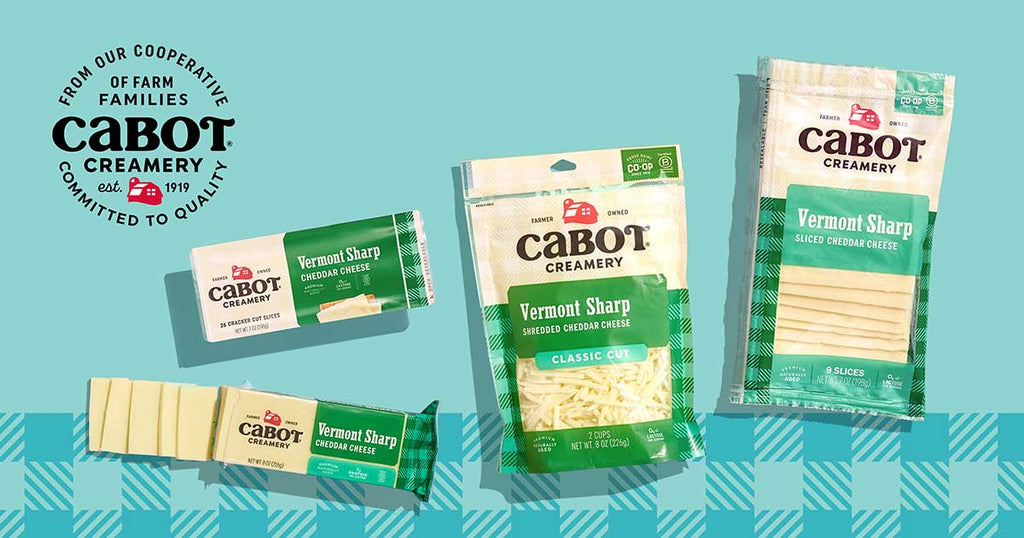
cabotcreamery.comBest forBakers who want the structural benefits of high-fat European butter while supporting domestic agricultural cooperatives.
AI Visibility · how often AI recommends it for this topic
30/ 100
Covered by 3 of 4 AI assistants
- ChatGPT
- Gemini
- Claude
- Google AI
Professional-grade domestic option. Cabot is a highly reliable domestic butter brand that successfully bridges the gap between everyday grocery butter and premium imports. Produced by a cooperative of farm families throughout New England and upstate New York, Cabot delivers a robust, distinctly strong dairy flavor that punches well above its price point. It is frequently recommended for its balance of professional-grade performance and widespread accessibility.
Excellent baking consistency. The brand's standard offering meets the Grade AA American standard, but their 'Extra Creamy' line, which hits 83% butterfat, is particularly prized by bakers. As noted in discussions surrounding European vs American Butter, this high-fat domestic option provides the structural benefits of imported butter—such as less water evaporation and flakier pie crusts—without the steep import premium. It handles temperature fluctuations beautifully, remaining pliable for creaming with sugar.
Versatile kitchen workhorse. Whether used for finishing a steak or baking a pound cake, Cabot consistently performs well across all culinary applications. While some batches of their salted variety have been reported as overly aggressive in sodium, their unsalted versions are highly praised for purity and clean flavor, making them a staple in both commercial and home kitchens.
What AI consistently says
- +Strong, clean dairy flavor
- +Extra Creamy line hits 83% butterfat
- +Supports regional farm cooperatives
- +Provides European-style fat content domestically
- +Maintains excellent pliability for baking
What AI doesn't mention
- −Salt levels in the salted variety can vary slightly by batch
- −Standard 80% line is sometimes confused with the Extra Creamy line
Plugrá
plugra.comBest forSerious bakers and pastry enthusiasts who need reliable, low-moisture butter for croissants, puff pastry, and pie doughs.

AI Visibility · how often AI recommends it for this topic
31/ 100
Covered by 3 of 4 AI assistants
- ChatGPT
- Gemini
- Claude
- Google AI
Engineered for pastry chefs. Plugrá is an American-made, European-style butter engineered with exactly 82% butterfat specifically to optimize professional baking and pastry work. The name itself is derived from the French phrase 'plus gras,' meaning 'more fat.' By intentionally lowering the moisture content and increasing the butterfat, Plugrá provides chefs with a highly workable medium that resists melting too quickly under warm kitchen conditions.
Ideal for flaky doughs. It is highly noted for its ability to handle temperature changes gracefully and its consistent performance in laminated doughs. When making croissants, puff pastry, or pie crusts, as explored by kingarthurbaking.com, excess water in butter turns to steam and can create tough gluten networks; Plugrá's lower moisture prevents this, ensuring remarkably tender and flaky layers every time.
The pragmatic premium choice. While it may lack the complex, grassy, or tangy flavor notes of artisanal cultured imports, Plugrá compensates with absolute consistency and structural reliability. It is generally more expensive than mass-market American brands but remains easier to source and more affordable than imported French butter, making it the perfect middle-ground workhorse for serious home bakers.
What AI consistently says
- +Engineered specifically for optimal lamination
- +82% butterfat ensures flaky pastry layers
- +Resists melting better than standard butter
- +Consistent performance for professional bakers
- +More affordable than imported French equivalents
What AI doesn't mention
- −Flavor is relatively one-dimensional compared to cultured varieties
- −Often sold in larger blocks rather than convenient half-cup sticks
Échiré
thefrenchpantryca.comBest forGourmet consumers and dinner party hosts looking for the ultimate luxury butter to serve fresh on bread.
AI Visibility · how often AI recommends it for this topic
33/ 100
Covered by 4 of 4 AI assistants
- ChatGPT
- Gemini
- Claude
- Google AI
The pinnacle of French luxury. Échiré is a legendary, high-end French cultured butter known for its subtle, nutty flavor and exceptionally creamy texture. Carrying an elite AOC/PDO (Appellation d'Origine Contrôlée) designation, it is produced in the village of Échiré in the Deux-Sèvres region using traditional teak wood churns. This meticulous production process yields a butter with a uniquely light, almost ethereal texture that mass-produced options simply cannot replicate.
Aspirational table service. Échiré is treated as an aspirational, luxury product primarily reserved for finishing or direct consumption. Slathering it on a high-quality baguette or melting it over fresh radishes allows its deep, cultured complexity to take center stage. Because of its extremely high price point and delicate flavor profile, incorporating it into heavily spiced cakes or high-heat cooking is generally considered a waste of its nuanced qualities.
Specialty sourcing required. Finding Échiré requires a trip to a specialty grocer, premium cheese shop, or an online gourmet importer. While platforms widely agree it represents the gold standard for luxury dairy, its cost and limited accessibility make it a special-occasion indulgence rather than a daily culinary staple.
What AI consistently says
- +Superior nutty and complex flavor
- +Elite AOC/PDO protected designation
- +Exceptionally creamy and light texture
- +Cultured for impressive depth of flavor
- +Prestigious reputation for table service
What AI doesn't mention
- −Prohibitively expensive for standard baking use
- −Highly perishable flavor profile degrades quickly if not stored properly
Isigny Sainte-Mère
isigny-ste-mere.comBest forChefs and home cooks seeking a profoundly rich, traditional French butter with distinctive terroir-driven flavor notes.
AI Visibility · how often AI recommends it for this topic
34/ 100
Covered by 3 of 4 AI assistants
- ChatGPT
- Gemini
- Claude
- Google AI
Distinctive golden richness. Isigny Sainte-Mère is an esteemed Normandy-origin butter recognized for its deep, vibrant golden hue and distinct hazelnut flavor notes. Originating from a specific PDO-protected terroir in France where cows graze on iodine-rich coastal pastures, the milk yields an exceptionally high beta-carotene content. This natural richness translates into a visually stunning and intensely flavorful butter that stands out in any culinary application.
Traditional baratte churning. Frequently highlighted for its commitment to traditional manufacturing, the butter is slowly cultured and churned using the historic 'baratte' method. This gentle churning process creates a silky, melt-in-the-mouth texture that is vastly superior to modern continuous-churning methods. The 'demi-sel' version, dotted with crunchy salt crystals, is consistently praised in reviews like 9 Best Butter Brands Made With The Highest-Quality Ingredients for providing a perfect savory contrast to the sweet cream.
A premium European experience. Like Échiré, Isigny Sainte-Mère sits at a premium price point, though it is slightly more accessible in high-end American supermarkets. It is arguably the best butter for elevating simple dishes—like a classic French omelet or roasted vegetables—where its hazelnut and grassy coastal notes can be fully appreciated without being masked by other ingredients.
What AI consistently says
- +Deep golden color from high beta-carotene
- +Unique hazelnut and coastal grass flavor notes
- +Traditional slow baratte churning method
- +PDO protected designation guarantees terroir
- +Crunchy salt crystals in the demi-sel version
What AI doesn't mention
- −Limited availability outside of specialty or high-end markets
- −Can overpower very delicate, neutral-flavored sauces
Also considered
Brands AI Didn't Consistently Recommend
While standard grocery aisles are filled with dozens of butter options, AI platforms were highly selective in their recommendations. Several well-known brands frequently appeared in queries but failed to achieve the cross-platform consensus required to be named a top pick, often due to availability, inconsistent performance, or specific product focus.
- ChallengeAI report
Challenge is a highly regarded regional option that performs well for everyday tasks, but it lacks the universal high-fat praise of European brands and didn't secure the same volume of cross-platform recommendations for specialized baking.
- MaldonAI report
AI models occasionally hallucinate Maldon in butter queries because their famous sea salt flakes are frequently paired with high-end butter in recipes and culinary reviews, but Maldon does not actually manufacture butter.
- Trader Joe'sAI report
AI occasionally surfaces Trader Joe's store-brand imported butters as an excellent budget pick, but inconsistent national availability and rotating supplier contracts limit its standing as a universally reliable recommendation.
- Organic ValleyAI report
A solid organic choice that platforms acknowledge for its clean ingredients and ethical farming, but it falls short of the overwhelming consensus volume enjoyed by flavor-forward heavyweights like Kerrygold and Vermont Creamery.
How to choose
2026 Best Butter Brands for Baking and Cooking Buying Guide
Selecting the right butter fundamentally changes the texture, flavor, and visual appeal of your food. Understanding the nuances of butterfat, culturing, and storage will help you maximize the potential of these premium brands.
01
European vs. American Butter: What Bakers Need to Know
Understanding the butterfat divide. The primary distinction between European and American butter lies in the butterfat content. As detailed by The Real Difference Between European and American Butter | Epicurious, European-style butter must contain at least 82% butterfat, whereas standard American butter is legally mandated to hit only 80%. This 2% difference drastically changes how the butter performs under heat.
Moisture content impacts baked goods. American butter naturally contains more water. During baking, this extra water evaporates quickly, leading to more spread in cookies and a less tender crumb in cakes. European butter's lower moisture content ensures tighter structural integrity, making it the preferred choice for delicate shortbreads and flaky pastries where excessive water can activate too much gluten and result in a tough texture.
02
Cultured Butter vs. Sweet Cream Butter
Tangy complexity vs. mild sweetness. Cultured butter incorporates live bacterial cultures into the cream, allowing it to lightly ferment before the churning process begins. This traditional European technique imparts a noticeable tang, reminiscent of yogurt or buttermilk, which adds a complex depth of flavor to both sweet and savory dishes.
Choosing the right profile for your recipe. Sweet cream butter, the standard in most American grocery stores, is churned from fresh, unfermented cream. It has a much milder, neutral flavor. While cultured butter is exceptional for table service and enhancing rustic breads, sweet cream butter is often preferred for classic American frostings and vanilla cakes where you don't want a tangy dairy note competing with the primary flavors.
03
Health and Nutritional Benefits of Grass-Fed Butter
Nutritional benefits of pasture-raised dairy. Grass-fed butter, such as Kerrygold, is produced from the milk of cows that graze heavily on natural pastures rather than grain-based feeds. According to Healthline, this diet significantly alters the nutritional profile of the dairy, resulting in higher levels of Omega-3 fatty acids and Vitamin K2 compared to conventional butter.
Richer color and distinct flavor. Beyond the health benefits, the high beta-carotene content from the fresh grass gives the butter a naturally vibrant, deep yellow hue without artificial coloring. It also introduces a uniquely rich, slightly grassy flavor profile that many culinary experts prefer for finishing steaks, roasting vegetables, and elevating simple baked goods.
04
Salted vs. Unsalted Butter in the Kitchen
Controlling sodium in your recipes. For baking applications, unsalted butter is universally recommended by test kitchens like America's Test Kitchen. Because salt acts as a preservative, salted butter can legally sit on supermarket shelves longer, meaning unsalted butter is often fresher. More importantly, using unsalted butter allows the baker to tightly control the total sodium content of the recipe.
When to embrace salted butter. Salted butter shines as a finishing ingredient. The addition of salt enhances the natural dairy flavors, making it ideal for spreading on warm dinner rolls, tossing with fresh pasta, or melting over pancakes. Premium brands often use large sea salt crystals, adding a delightful textural crunch that unsalted varieties lack.
05
Selecting Butter for Pastry and Laminated Doughs
Low moisture is key for flaky dough. When making croissants, puff pastry, or pie crusts, the goal is to create distinct, separate layers of dough and fat. As noted by kingarthurbaking.com, high-fat European-style butters like Plugrá are engineered specifically for this task. The lower water content means less steam is created instantly, preventing the layers from collapsing or becoming tough.
Pliability makes lamination easier. High-quality pastry butter is also prized for its pliability. It can be pounded out and rolled thin while remaining cold and flexible, whereas cheaper, high-water butters tend to shatter or break when cold, tearing the delicate dough layers and ruining the lamination process.
06
Proper Storage for Premium Butter Brands
Preserving delicate dairy flavors. High-quality butter acts like a sponge, easily absorbing ambient odors from the refrigerator. To protect the investment of premium brands like Échiré or Isigny Sainte-Mère, butter should be kept tightly wrapped in its original foil or parchment, and ideally placed inside an airtight container or a dedicated butter compartment.
Countertop vs. refrigerator storage. While butter can be kept safely at room temperature for several days to maintain spreadability, cultured and unpasteurized butters are more susceptible to spoiling than highly salted sweet cream varieties. If you plan to leave butter on the counter, use a butter bell or an opaque dish that protects it from light and air, and only keep out what you will consume within a few days.
Common questions
Frequently Asked Questions
How long does butter last?
Butter typically lasts one to three months in the refrigerator and up to a year when stored properly in the freezer. If kept in a covered dish at room temperature, it generally lasts one to two weeks depending on the kitchen's climate. Salted butter lasts slightly longer than unsalted due to salt's natural preservative properties.
What are the top 10 best butters in the world?
The top 10 best butters in the world are heavily debated, but prestigious French brands like Échiré, Isigny Sainte-Mère, and Bordier consistently top expert lists. Grass-fed options like Kerrygold from Ireland, along with artisanal cultured butters like Vermont Creamery from the USA and Lurpak from Denmark, are also universally ranked among the world's finest.
Is Land O Lakes real butter?
Yes, Land O'Lakes produces 100% real butter churned from sweet cream and is a staple standard in the American dairy market. Their classic stick butter meets the USDA Grade AA standard and contains the legal minimum of 80% butterfat required to be classified as real butter in the United States.
How is butter made?
Butter is made by vigorously churning fresh or cultured dairy cream until the butterfat molecules separate from the liquid buttermilk and clump together. The remaining solid mass is then washed, kneaded to improve texture, and sometimes salted before being pressed into blocks or sticks.
Which country has the best butter in the world?
France is widely considered to have the best butter in the world, renowned for its strict PDO (Protected Designation of Origin) standards, high butterfat content, and traditional culturing methods. Ireland and Denmark also receive massive international acclaim for their grass-fed and cultured dairy products.
Are there butter brands to avoid?
There are no major butter brands to strictly avoid for safety reasons, but bakers often avoid store-brand discount butters that lack a Grade AA rating. These lower-tier butters frequently contain higher water content and artificial flavorings, which can cause unpredictable spreading and poor texture in baked goods.
What are the 3 worst butter brands?
While subjective, culinary experts generally rank generic, mass-produced store brands with lower than 80% butterfat (often labeled as 'dairy spreads') as the worst for cooking and baking. Brands heavily relying on natural or artificial flavor additives rather than pure cream are also consistently rated poorly by testing kitchens.
Why was butter recalled recently?
Recent butter recalls in the dairy industry have typically been linked to undeclared allergens, such as missing milk allergy warnings on the packaging, or potential microbial contamination at specific packaging facilities. Consumers should always check the FDA's active recall list for the most up-to-date batch numbers and safety information.
Behind the data
How We Researched This
AI Platform Responses
AI Platforms
Brands Ranked
Date
To determine the most highly recommended butter brands for baking and cooking, we executed a comprehensive cross-platform analysis leveraging the world's most advanced AI models. We queried ChatGPT, Claude, Gemini, and Google's AI Overviews with a series of topic-specific prompts designed to evaluate the dairy market from multiple angles. These queries focused on discovering the best butter for high-heat cooking, the optimal butterfat percentages for laminated pastry dough, the most flavorful cultured butters for table service, and the most reliable everyday grocery store staples.
Rather than relying on the subjective palate of a single editor or a limited taste test, our methodology captures the consensus across our cross-platform analysis. Each AI platform synthesizes its answers from a vast corpus of digital information, including expert culinary reviews from test kitchens, professional baker forums, widespread consumer sentiment, and scientific breakdowns of dairy fat percentages. By aggregating these responses, we identified which brands were consistently elevated above the rest of the market.
Once the initial data was collected, we normalized the brand entities—ensuring that localized names or specific product lines, such as Cabot's 'Extra Creamy' or Plugrá's professional blocks, were properly attributed to their parent brand. We then applied sentiment analysis to understand not just how often a brand was recommended, but exactly what it was praised for and where its limitations lay. This process allowed us to clearly separate high-moisture everyday butters from low-moisture professional baking tools.
Finally, we enriched these findings with our proprietary Visibility Scan Previews, adding specific, concrete product characteristics to our editorial reviews. This multi-layered approach ensures that our recommendations reflect a rigorously verified, data-driven consensus of the best culinary dairy available to consumers today, free from individual brand bias.
AI knows them, Google doesn't
Diamonds in the Rough
These brands are consistently recommended by AI assistants but rarely appear in traditional Google search results, a sign the market may be shifting before search rankings catch up.
Mentioned 6x across 3 AI platforms with near-unanimous positive sentiment — and when AI does bring them up, they rank in the top 3 on average. An under-the-radar pick worth investigating.
Mentioned 6x across 4 AI platforms with near-unanimous positive sentiment — and when AI does bring them up, they rank in the top 3 on average. An under-the-radar pick worth investigating.
Mentioned 2x on one AI platform with near-unanimous positive sentiment — and when AI does bring them up, they rank in the top 3 on average. An under-the-radar pick worth investigating.
Mentioned 2x across 2 AI platforms with near-unanimous positive sentiment — and when AI does bring them up, they rank in the top 3 on average. An under-the-radar pick worth investigating.
Mentioned 2x on one AI platform with near-unanimous positive sentiment — and when AI does bring them up, they rank in the top 3 on average. An under-the-radar pick worth investigating.