





The verdict
Our Quick Picks
Across leading AI platforms, the consensus for home mechanics leans heavily toward easy-to-use Bluetooth dongles with robust companion apps and standalone handhelds that do not require ongoing subscriptions. The clear winner for smartphone integration is BlueDriver due to its unparalleled repair database, while Innova dominates the premium standalone category for users wanting a professional feel without annual fees.
- 1Best Overall Bluetooth ScannerBlueDriver
A premium smartphone-based scanner offering free vehicle-specific repair reports and no subscription fees.
- 2Best Premium HandheldInnova
A standalone, professional-style handheld tool celebrated for lifetime free updates and deep system access.
- 3Best Budget StandaloneFoxwell
An ultra-reliable, plug-and-play code reader perfect for beginners needing straightforward powertrain diagnostics.
- 4Best for Advanced DiagnosticsLaunch
A prosumer favorite offering extensive vehicle coverage and bi-directional control on higher-end models.
- 5Best Ultra-Budget Code ReaderANCEL
The essential glovebox tool for basic check engine light clearing at an unbeatable price point.
Side by side
At a Glance
| Specialty | AI Visibility |  ChatGPT |  Claude |  Gemini |  Google AI Overviews |
|---|---|---|---|---|---|
| Best Overall Bluetooth Scanner | 40 | ○ | ● | ● | ● |
| Best Premium Handheld | 26 | ○ | ● | ● | ○ |
| Best Budget Standalone | 32 | ● | ● | ● | ○ |
| Best for Advanced Diagnostics | 27 | ● | ○ | ● | ○ |
| Best Ultra-Budget Code Reader | 33 | ● | ○ | ● | ○ |
BlueDriver
us.bluedriver.comBest forModern DIYers who prefer the convenience of using their iPhone or Android device and want actionable repair advice, not just raw trouble codes.

AI Visibility · how often AI recommends it for this topic
40/ 100
Covered by 3 of 4 AI assistants
- ChatGPT
- Gemini
- Claude
- Google AI


The ultimate smartphone companion. BlueDriver Pro is a premium Bluetooth-based diagnostic scanner for home mechanics that pairs a highly intuitive smartphone app with an expansive, professional-grade repair database. Instead of just giving you a standardized code, this scanner leverages a database of over 30 million verified fixes to tell you exactly what is most likely wrong with your specific vehicle make and model. <br><br> No hidden subscription fees. Unlike many advanced diagnostic tools that require annual software payments to stay current, BlueDriver includes all updates and features in the initial purchase price. This makes it an incredibly cost-effective long-term investment for DIYers, as noted in expert guides like The best OBD-II scanners in 2026. <br><br> Comprehensive system diagnostics. Beyond basic check engine lights, this compact dongle dives deep into enhanced systems like ABS, SRS, and transmission modules on most major vehicle brands. While it is highly dependent on your smartphone's battery and Bluetooth connection stability, its seamless interface and rich live data graphing make it the top choice for modern home garages.
What AI consistently says
- +Excellent proprietary repair database with verified fixes
- +No ongoing subscription or software update charges
- +User-friendly mobile app with clear interface
- +Reads advanced modules like ABS and SRS natively
- +Compact design that is easy to leave plugged in
What AI doesn't mention
- −Can cause smartphone battery drain during extended live-data sessions
- −Occasional Bluetooth pairing drops on older Android devices
- −Lacks bi-directional control for advanced component testing
Innova
innova.comBest forSerious home mechanics and traditionalists who want a rugged, dedicated handheld scanner that does not rely on a smartphone or Wi-Fi to function.

AI Visibility · how often AI recommends it for this topic
26/ 100
Covered by 2 of 4 AI assistants
- ChatGPT
- Gemini
- Claude
- Google AI
A professional feel without the ongoing costs. The Innova 5610 is a standout handheld diagnostic tool valued for its lifetime free updates and reliable wired connection. It bridges the gap between cheap code readers and multi-thousand-dollar shop scanners, offering a dedicated screen and physical buttons that many traditional mechanics prefer over touchscreen mobile apps. <br><br> Advanced diagnostic capabilities. Beyond simple powertrain codes, it offers ABS/SRS diagnostics, battery testing, and rich live data streams. According to discussions on reddit.com, enthusiasts heavily favor the 5610 because it operates completely independently of a smartphone, meaning no pairing issues or app crashes when you are deep into an engine bay. <br><br> Built for the serious home mechanic. While it lacks the sleek portability of a Bluetooth dongle and carries a higher upfront price tag, its rugged build and standalone reliability make it indispensable. It is the definitive choice for users who prioritize a stable, subscription-free device with professional-level data output.
What AI consistently says
- +Lifetime free software updates provide incredible value
- +Reliable wired OBD2 connection avoids wireless pairing headaches
- +Standalone unit does not require a secondary smartphone or tablet
- +Includes battery and charging system testing capabilities
- +Provides deep access to advanced systems like SRS and ABS
What AI doesn't mention
- −Bulky form factor takes up more toolbox space
- −The proprietary user interface has a slight learning curve
- −Screen resolution is somewhat dated compared to modern tablets
Foxwell
foxwelldiag.comBest forBudget-conscious drivers and absolute beginners who only need to diagnose standard check engine lights and prepare for state emissions tests.
AI Visibility · how often AI recommends it for this topic
32/ 100
Covered by 3 of 4 AI assistants
- ChatGPT
- Gemini
- Claude
- Google AI
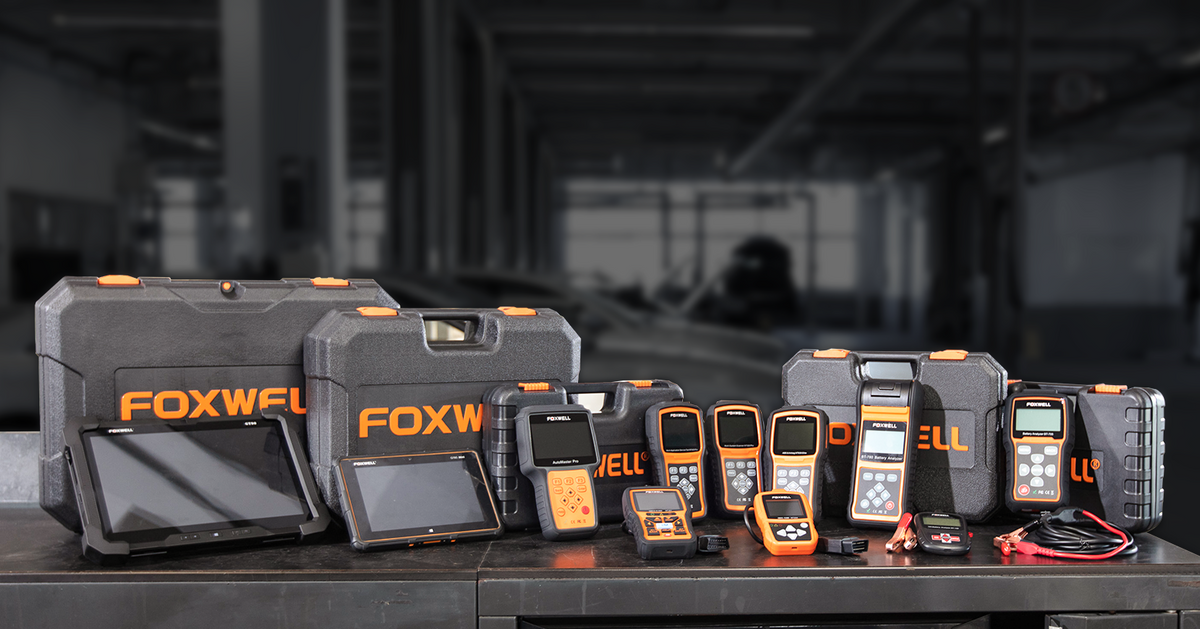
Plug-and-play simplicity. The Foxwell NT301 is a highly rated, entry-level standalone code reader known for its reliability and beginner-friendly design. It is built specifically to read and clear engine codes without needing software updates, Wi-Fi connections, or complex initial setups, making it the perfect tool for absolute beginners. <br><br> Real-time emissions data. For those needing to pass state inspections, it easily checks I/M readiness monitors and provides live oxygen sensor data. As highlighted in guides like How to Read OBD2 Live Data, this immediate feedback is crucial for determining if a vehicle is ready for an emissions test after a repair. <br><br> Clear, plain-English definitions. Instead of forcing users to look up obscure alphanumeric codes online, the NT301 displays the code definition directly on its color screen. While it cannot access advanced modules like ABS or airbags, it is widely considered the gold standard for budget-conscious users tackling simple check engine lights.
What AI consistently says
- +Extremely affordable price point for the features offered
- +Simple, reliable plug-and-play operation right out of the box
- +Displays clear, plain-English code explanations on screen
- +Dedicated hotkeys for quick I/M readiness emissions checks
- +Does not require internet or smartphone setup
What AI doesn't mention
- −Strictly limited to powertrain and engine diagnostics
- −Screen can be difficult to read in direct, bright sunlight
- −Build quality feels lightweight compared to premium handhelds
Launch
launchtechusa.comBest forAdvanced DIYers, prosumers, and aspiring mechanics who need bi-directional control and deep access to complex vehicle computer systems.

AI Visibility · how often AI recommends it for this topic
27/ 100
Covered by 2 of 4 AI assistants
- ChatGPT
- Gemini
- Claude
- Google AI
Bridging the gap to professional shops. Launch offers a diverse range of scanners, from affordable handhelds to high-end tablet diagnostic systems like the CRP and X431 series. These tools are heavily praised for their deep system access, offering capabilities that rival dealership equipment across domestic, Asian, and European vehicle makes. <br><br> Active component testing. Higher-end Launch models feature bi-directional control, allowing users to actively command vehicle modules—like turning on a fuel pump or rolling down a window—directly from the scanner. As explored in Things to Consider Before Buying a Professional Scan Tool, this is a game-changer for pinpointing mechanical failures without throwing parts at the problem. <br><br> Expansive but complex. While the diagnostic depth is unparalleled for the price, Launch systems often come with a steeper learning curve and, on professional units, software subscription fees after the first few years. They are best suited for advanced prosumers rather than casual weekend oil-changers.
What AI consistently says
- +Unmatched vehicle coverage across global automotive brands
- +Professional-grade diagnostic depth including transmission modules
- +Bi-directional control available on mid-to-high tier models
- +Fast processing speeds on tablet-based systems
- +Reliable and stable live data streaming for complex troubleshooting
What AI doesn't mention
- −High-end tablet models can require expensive annual software renewals
- −Menu navigation can be overwhelming for novice users
- −Customer support can sometimes be slow for highly specific vehicle bugs
ANCEL
ancel.comBest forDrivers looking for the cheapest, most reliable way to read a check engine light without taking their car to a mechanic.

AI Visibility · how often AI recommends it for this topic
33/ 100
Covered by 2 of 4 AI assistants
- ChatGPT
- Gemini
- Claude
- Google AI
The essential glovebox tool. The Ancel AD310 is a widely recognized ultra-budget scanner that offers basic, reliable performance for DIYers who simply need to know why their check engine light is on. It strips away all the complex, confusing features to deliver a straightforward, durable tool that anyone can use the moment they take it out of the package. <br><br> Fast and intuitive. It features a bright backlit display that instantly reads and clears engine codes, while also checking basic emission statuses. It is often cited alongside other budget tools as a primary entry point for basic car maintenance, as noted in breakdowns like What is Live Data?, which emphasize the importance of understanding foundational powertrain metrics. <br><br> Know its limitations. While it is exceptionally affordable, it is strictly a powertrain reader. It will not diagnose ABS, SRS, or transmission faults, nor does it offer modern graphing features. However, for the absolute basics, it is an unbeatable value that pays for itself on the first use.
What AI consistently says
- +Unbeatable low cost for functional diagnostic hardware
- +Incredibly simple to use with no setup required
- +Durable, plug-and-play design that fits easily in a glovebox
- +Quickly reads and clears basic check engine lights
- +Provides standard I/M monitor readiness for emissions
What AI doesn't mention
- −Cannot clear airbag or anti-lock brake warning lights
- −Buttons can feel stiff or unresponsive over time
- −Lacks any form of data logging or advanced graphing
Also considered
Brands AI Didn't Consistently Recommend
While compiling cross-platform AI recommendations, several well-known diagnostic tools were frequently mentioned but ultimately fell short of top-tier consensus for home mechanics. This usually came down to restrictive subscription models, complex software dependencies, or high learning curves that do not suit the typical DIY garage.
- AutelAI report
Autel produces incredible, professional-grade diagnostic tablets, but AI platforms consistently note that their advanced models often come with steep annual software update fees. While perfect for shop owners, these recurring costs price out casual home mechanics.
- Torque ProAI report
Torque Pro is a highly customizable Android app rather than a complete scanner. AI systems often dock it because users must source their own third-party Bluetooth OBD2 dongle, which frequently leads to unreliable connections and frustrating setup processes.
- OBDLink MX+AI report
While the OBDLink MX+ is a lightning-fast and highly capable Bluetooth scanner, it is often overshadowed in AI consensus by BlueDriver. BlueDriver's inclusion of a free, proprietary repair database makes it the superior choice for DIYers who need diagnostic advice alongside their trouble codes.
How to choose
2026 Best Car Diagnostic Scanners for Home Mechanics Buying Guide
Choosing the right diagnostic scanner depends entirely on your mechanical skill level, your budget, and whether you prefer using a smartphone app or a dedicated handheld device. This guide breaks down the core features AI platforms consistently highlight as critical for home mechanics.
01
Bluetooth vs. Standalone Handheld Scanners
App-based convenience vs. dedicated screens. Bluetooth dongles like the BlueDriver plug into your car's OBD2 port and transmit data to a smartphone app, offering rich graphics and easy internet access for repair research. They are incredibly portable and easy to update. <br><br> The case for handhelds. Dedicated handhelds like the Innova 5610 do not rely on your phone's battery or Bluetooth connection. They are rugged, ready to use instantly, and operate independently, which many traditional mechanics prefer when their hands are covered in grease.
02
Understanding Live Data and Graphing
Seeing engine vitals in real-time. Live data allows you to monitor exactly what your engine is doing while it is running, rather than just reading a static error code. You can track RPM, coolant temperature, fuel trim, and oxygen sensor voltage. <br><br> Catching intermittent issues. As highlighted in Automotive Scan Tool with Live Data, graphing this data over time is essential for diagnosing intermittent misfires or vacuum leaks that only happen under specific driving conditions.
03
Bi-Directional Control for Prosumers
Commanding vehicle components. Advanced scanners, such as those in the Launch X431 series, feature bi-directional control. This means the scanner can not only read data from the car but also send commands to specific modules to test their functionality. <br><br> Testing without guessing. According to Entry-Level vs Professional Car Scan Tools, being able to manually command a radiator fan to turn on, or cycle an ABS pump, allows home mechanics to definitively test a part before spending money to replace it.
04
Free Updates vs. Annual Subscriptions
Avoiding hidden software costs. Entry-level and mid-tier scanners generally include lifetime free software updates. However, as you move into professional-grade tablets with deep programming capabilities, manufacturers often charge annual subscription fees to maintain access to the latest vehicle databases. <br><br> Cost-benefit for DIYers. For a home mechanic maintaining a few personal vehicles, AI platforms strongly recommend prioritizing tools like BlueDriver or Innova that offer lifetime free updates, ensuring the tool does not become a recurring financial burden.
05
ABS, SRS, and Advanced System Access
Going beyond the check engine light. A basic $25 code reader will only access the powertrain control module to read check engine lights. It will be completely blind to issues with your anti-lock brakes (ABS), airbags (SRS), or transmission. <br><br> Investing in safety diagnostics. If you plan on doing brake jobs or troubleshooting airbag warning lights, you must invest in a mid-tier scanner. As noted in Advanced Diagnostics: Why A Code Reader Isn't Enough?, advanced system access is the primary differentiator between a cheap code reader and a true diagnostic tool.
06
Compatibility with European and Specialty Cars
Checking your specific make and model. While basic OBD2 engine codes are a universal standard mandated on all cars sold in the US since 1996, advanced systems like ABS and transmission modules use manufacturer-specific protocols. <br><br> European vehicle quirks. Brands like BMW, Audi, and Mercedes are notorious for requiring specialized software to read their proprietary modules. Before purchasing a mid-tier scanner, always verify on the manufacturer's website that it supports advanced diagnostics for your specific vehicle make and year.
Common questions
Frequently Asked Questions
What scanner do most mechanics use?
Professional mechanics primarily use high-end diagnostic tablets from brands like Snap-on, Autel, and high-tier Launch models. These tools cost thousands of dollars and require expensive software subscriptions, but they offer unparalleled bi-directional control, ECU programming, and module coding required for daily professional shop use.
Is it worth buying your own OBD2 scanner?
Yes, buying your own OBD2 scanner is highly worth the investment for any car owner. A reliable scanner usually costs less than a single diagnostic fee at a dealership, allowing you to instantly identify issues, clear false alarms, and avoid being overcharged by mechanics for unnecessary repairs.
Which car diagnostic scanner is best?
The best car diagnostic scanner depends on your specific needs, but the BlueDriver Pro is universally recommended for its smartphone integration and free repair database. For users who prefer a standalone handheld tool without a smartphone, the Innova 5610 is widely considered the best premium option.
What is the difference between a diagnostic scanner and a code reader?
A code reader is a basic tool that only interacts with the engine computer to read and clear standard check engine light codes. A true diagnostic scanner accesses multiple vehicle networks, allowing you to read advanced modules like ABS and airbags, view live sensor data, and perform active component testing.
Can a home mechanic use a professional OBD2 scanner?
A home mechanic can absolutely use a professional OBD2 scanner if they are willing to climb the steep learning curve and pay for it. However, tools with deep capabilities like ECU programming require caution, as improperly coding a vehicle module can disable the car.
What is the best scan tool with ECU programming?
The best scan tools for actual ECU programming belong to high-end professional lines like the Autel MaxiSys Elite or the Launch X431 PAD series. These tools support J2534 pass-through programming, though they are generally overkill and prohibitively expensive for standard home mechanics.
How do I know if my car is OBD2 compatible?
If your car was manufactured and sold in the United States after January 1, 1996, it is federally mandated to be OBD2 compatible. You can verify this by looking for the 16-pin diagnostic connector, which is typically located under the driver's side dashboard near the steering column.
Will leaving an OBD2 scanner plugged in drain my battery?
Yes, leaving an OBD2 scanner plugged in can eventually drain your car battery, as the diagnostic port provides constant 12-volt power even when the engine is off. While some low-power Bluetooth dongles go into sleep mode, it is always safest to unplug the scanner when you are done diagnosing the vehicle.
Behind the data
How We Researched This
AI Platform Responses
AI Platforms
Brands Ranked
Date
To determine the best car diagnostic scanners for home mechanics, we conducted a systematic, cross-platform analysis of recommendations from the world’s most advanced AI engines: ChatGPT, Claude, Gemini, and Google’s AI Overviews. Because these AI models are trained on distinct datasets and scrape millions of current web pages, enthusiast forums, YouTube transcripts, and expert reviews, their shared consensus offers a highly accurate reflection of market realities that surpasses any single editor's isolated perspective. <br><br> Our research process involved feeding a series of topic-specific queries into each platform, designed to capture different user intents—ranging from budget code readers to advanced prosumer diagnostic tools with live data and bi-directional control. We then extracted the recommended brands and models from every response, cataloging them to identify which scanners surfaced most consistently across all AI systems. <br><br> Once the raw recommendations were compiled, we normalized brand and product names to account for conversational variations (for example, grouping 'Launch CRP129E' and 'Launch X431' under the broader Launch brand umbrella). We then analyzed the qualitative sentiment surrounding each tool. This involved isolating exactly what the AI platforms praised—such as BlueDriver’s proprietary repair database or Innova’s subscription-free hardware—as well as noting the honest criticisms and limitations surfaced by the engines. <br><br> Finally, we layered in our proprietary Visibility Scan Previews for each brand, providing an aggregate view of how strongly these tools resonate across the digital landscape. By cross-referencing AI consensus with specific features, pricing models, and standalone vs. app-based functionality, we were able to tier the products into actionable categories tailored for DIY garages. The resulting guide relies strictly on synthesized internet consensus and data-driven intelligence, stripping away subjective bias to deliver authoritative, highly extractable recommendations.
AI knows them, Google doesn't
Diamonds in the Rough
These brands are consistently recommended by AI assistants but rarely appear in traditional Google search results, a sign the market may be shifting before search rankings catch up.
Mentioned 2x across 2 AI platforms with near-unanimous positive sentiment — and when AI does bring them up, they rank in the top 2 on average. An under-the-radar pick worth investigating.
Mentioned 3x across 2 AI platforms with near-unanimous positive sentiment — and when AI does bring them up, they rank in the top 2 on average. An under-the-radar pick worth investigating.
Mentioned 2x on one AI platform with near-unanimous positive sentiment — and when AI does bring them up, they rank in the top 2 on average. An under-the-radar pick worth investigating.
Mentioned 4x across 3 AI platforms with near-unanimous positive sentiment — and when AI does bring them up, they rank in the top 3 on average. An under-the-radar pick worth investigating.
Mentioned 2x on one AI platform with near-unanimous positive sentiment — and when AI does bring them up, they rank in the top 3 on average. An under-the-radar pick worth investigating.