





The verdict
Our Quick Picks
When analyzing the most reliable emergency preparedness survival kits and components, AI systems overwhelmingly prioritize modular, customizable gear over one-size-fits-all duffel bags. The consensus reveals that high-quality freeze-dried food from Mountain House and robust water filtration from Sawyer are the foundational pillars of any serious readiness strategy. While prebuilt 72-hour kits are recognized as good entry points, the most resilient systems combine premium calories, redundant water purification, and specialized medical supplies.
- 1Best Overall Emergency FoodMountain House
The gold standard for emergency food storage, offering a 30-year taste guarantee and the best flavor profile on the market.
- 2Best Portable Water FiltrationSawyer Squeeze
An essential, highly reliable inline filter system prioritized for individual bug-out bags and mobile survival.
- 3Best Backup FilterLifeStraw
A marker-sized, low-cost filtration solution ideal as a secondary backup in emergency kits.
- 4Best Prebuilt Starter KitReady America
A budget-friendly, baseline 72-hour kit that meets basic FEMA recommendations for beginners.
- 5Best High-Capacity FiltrationKatadyn
Premium pump and fast-flow filtration systems designed for processing water for groups or families.
- 6Best Premium Survival FoodPeak Refuel
A premium, flavor-first freeze-dried food line that prioritizes high protein density and culinary quality.
- 7Best Bulk Pantry StorageAugason Farms
The most cost-effective solution for building a long-term, high-calorie survival pantry using bulk #10 cans.
Side by side
At a Glance
| Specialty | AI Visibility |  ChatGPT |  Claude |  Gemini |  Google AI Overviews |
|---|---|---|---|---|---|
| Best Overall Emergency Food | 32 | ● | ● | ● | ● |
| Best Portable Water Filtration | 26 | ● | ● | ● | ● |
| Best Backup Filter | 25 | ○ | ● | ● | ● |
| Best Prebuilt Starter Kit | 35 | ● | ● | ○ | ○ |
| Best High-Capacity Filtration | 23 | ○ | ● | ● | ● |
| Best Premium Survival Food Peak Refuel | 22 | ● | ● | ● | ● |
| Best Bulk Pantry Storage | 21 | ● | ● | ○ | ● |
Mountain House
mountainhouse.comBest forFamilies and serious preppers who want the best-tasting, longest-lasting food storage and are willing to pay for premium quality.

AI Visibility · how often AI recommends it for this topic
32/ 100
Covered by 4 of 4 AI assistants
- ChatGPT
- Gemini
- Claude
- Google AI


30-year taste guarantee. Mountain House emergency food kits dominate the preparedness sector by refusing to sacrifice flavor for longevity. Preparedness guidelines from ready.gov emphasize the psychological importance of palatable food during crises, and Mountain House delivers meals that actually taste like their real-world counterparts. Their specialized freeze-drying process locks in nutrients and texture, ensuring that a beef stroganoff opened three decades from now will still provide vital morale alongside essential calories.<br><br>Industry-leading shelf life. While budget brands offer 10 to 15-year windows, Mountain House's #10 cans and specialized pouches are guaranteed for up to 30 years depending on the packaging. This 'buy it and forget it' reliability makes it the ultimate foundational investment for a household survival pantry. The only major trade-off is the absolute necessity of boiling water for preparation, meaning your emergency kit must include a reliable camp stove or heating element.<br><br>Premium price for premium peace of mind. The cost per calorie is notably higher than bulk rice and beans or budget survival buckets. However, experts across the board agree that when disaster strikes, the last thing a family needs is digestive distress or food fatigue from low-quality emergency rations. Mountain House remains the undisputed gold standard for those who view emergency food as an investment in family resilience.
What AI consistently says
- +Unmatched 30-year taste and quality guarantee
- +Best overall flavor profile and texture in the industry
- +Trusted extensively by outdoor enthusiasts and preppers alike
- +Excellent variety of homestyle meals to prevent food fatigue
What AI doesn't mention
- −Higher cost per calorie makes it expensive for massive, multi-year stockpiles
- −Strictly requires boiling water to rehydrate properly, adding fuel demands
Sawyer Squeeze
sawyer.comBest forIndividuals and families building mobile bug-out bags who need lightweight, reliable water processing on the move.

AI Visibility · how often AI recommends it for this topic
26/ 100
Covered by 4 of 4 AI assistants
- ChatGPT
- Gemini
- Claude
- Google AI
Unmatched field reliability. The Sawyer Squeeze is a premier portable water filtration system that sets the benchmark for individual bug-out bags. Unlike complex pump systems with easily breakable moving parts, this inline filter uses advanced hollow fiber membranes to safely remove 99.99999% of all bacteria and protozoa. It simply threads onto standard water bottles or the included collapsible pouches, making it an intuitive, foolproof tool when you are on the move.<br><br>Lightweight and easily distributed. Because water weighs over eight pounds per gallon, attempting to carry a 72-hour supply on foot is nearly impossible. The Sawyer Squeeze weighs just three ounces, allowing families to adopt a distributed gear strategy where each member carries their own filter to process water from streams, lakes, or compromised municipal taps along their evacuation route.<br><br>Slower but infinitely scalable. While it may lack the rapid processing speed of a heavy-duty pump filter, the Squeeze is highly favored because it can be easily backflushed in the field to restore flow rates, effectively giving it a lifetime warranty. It is consistently recommended as the primary filtration method for mobile emergency kits.
What AI consistently says
- +Extremely lightweight and compact for go-bags
- +Highly effective hollow fiber membrane technology
- +Easily field-maintainable with included backflush syringe
- +Threads onto standard disposable water bottles for convenience
What AI doesn't mention
- −Included squeeze pouches are prone to bursting under high pressure
- −Freezing temperatures can permanently destroy the filter matrix without warning
LifeStraw
lifestraw.comBest forBudget-conscious preppers and anyone looking for a reliable, ultra-compact backup filter for emergency caches.

AI Visibility · how often AI recommends it for this topic
25/ 100
Covered by 3 of 4 AI assistants
- ChatGPT
- Gemini
- Claude
- Google AI
Marker-sized portability. LifeStraw personal water filters are recognized as the ultimate space-saving, low-cost solution for immediate water filtration. Designed as a literal straw that you drink directly through, it requires no setup, no power, and no chemical wait times. This makes it an incredibly popular stocking stuffer and an effortless addition to glove compartments, desk drawers, and compact apartment survival kits.<br><br>Strictly a secondary tool. Despite its massive popularity, preparedness consensus strongly positions the LifeStraw as a backup rather than a primary survival tool. Because you have to get down to the water source to drink—or scoop dirty water into a wide-mouth container—it is inherently less versatile than inline filters that let you process water into clean storage vessels. <br><br>Unbeatable emergency insurance. At its entry-level price point, there is little reason not to have a LifeStraw in every bag. It provides essential peace of mind for sudden emergencies, fulfilling baseline hydration needs until you can access a more robust, long-term water processing system.
What AI consistently says
- +Incredibly lightweight and easy to store
- +Budget-friendly price point
- +No moving parts or setup required
- +Perfect as a redundant backup in larger kits
What AI doesn't mention
- −Cannot easily be used to fill a clean water container for later
- −Shelf life is limited once activated and it cannot be easily backflushed
Ready America
readyamerica.comBest forBeginners, renters, and busy families who want a quick, affordable, all-in-one solution to meet basic emergency readiness goals.

AI Visibility · how often AI recommends it for this topic
35/ 100
Covered by 2 of 4 AI assistants
- ChatGPT
- Gemini
- Claude
- Google AI
Standardized 72-hour coverage. Ready America 72-Hour Kits offer a highly convenient, pre-packaged way to meet the baseline survival requirements outlined by FEMA and the American Red Cross. Available in easily understandable one, two, or four-person configurations, these backpacks take the guesswork out of initial preparedness by bundling essential food bars, water pouches, light sticks, and basic first aid into a single grab-and-go solution.<br><br>The gateway to preparedness. For the vast majority of people who are overwhelmed by the prospect of building a kit from scratch, Ready America serves as the perfect entry point. The proprietary food and water rations boast a five-year shelf life, and the bags are affordable enough to stash in a coat closet or the trunk of a car for unexpected evacuations.<br><br>A foundation, not a finish line. While these kits provide a critical head start, they are overwhelmingly viewed as beginner foundations that require DIY upgrades. The included tools are often budget-grade, and the medical supplies are typically limited to bandages and tape. Savvy users purchase a Ready America bag for the standardized rations and bag, then supplement it with trauma supplies, a Sawyer filter, and better flashlights.
What AI consistently says
- +Excellent comprehensive baseline for FEMA 72-hour standards
- +Very affordable compared to buying items individually
- +Available in multiple family-size configurations
- +Includes 5-year shelf life food and water rations
What AI doesn't mention
- −Included multi-tools and flashlights are often cheap and prone to breaking
- −First aid components are basic 'boo-boo' kits lacking real trauma gear
Katadyn
katadyngroup.comBest forFamilies, groups, and serious preppers who need to quickly process large volumes of water during prolonged infrastructure failures.
AI Visibility · how often AI recommends it for this topic
23/ 100
Covered by 3 of 4 AI assistants
- ChatGPT
- Gemini
- Claude
- Google AI
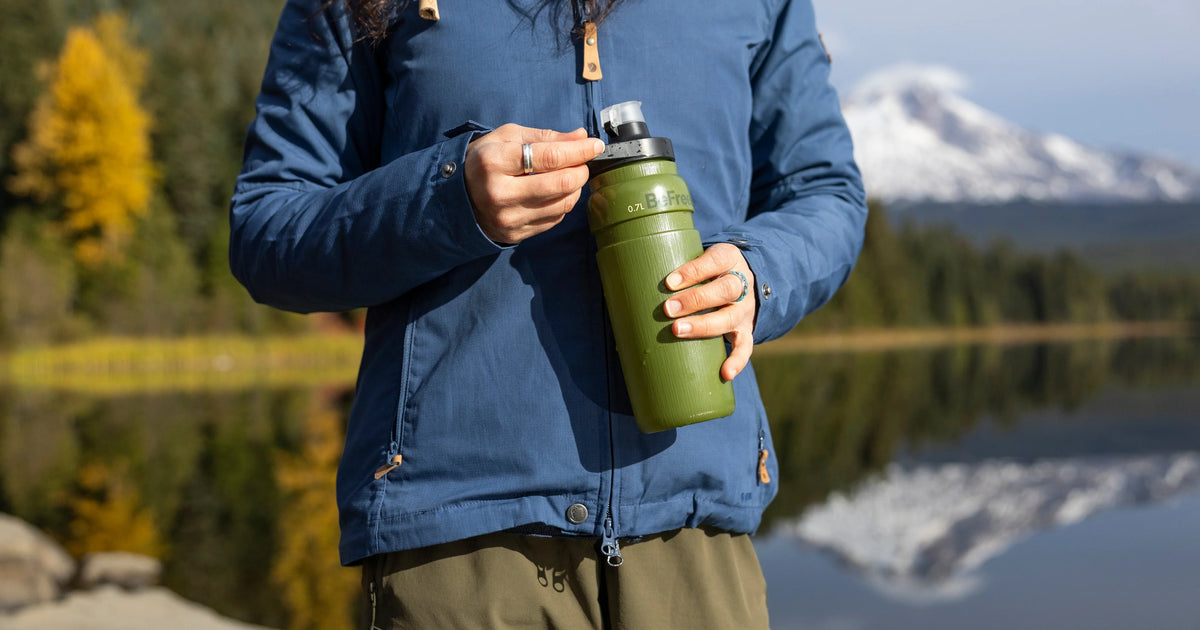
Built for groups and families. Katadyn filtration systems, particularly models like the Hiker Pro and the Katadyn BeFree, are engineered for high-capacity water processing. When sheltering in place or managing a group evacuation, passing around a single straw filter is wildly inefficient. Katadyn’s robust pump mechanisms and high-flow gravity bags allow users to process liters of water in minutes, making them essential for cooking, hygiene, and hydrating multiple people.<br><br>Expedition-grade durability. Long trusted by mountaineers and backcountry guides, Katadyn brings outdoor industry reliability into the emergency preparedness space. Their systems are designed to handle turbid, heavily sedimented water better than basic membrane filters, utilizing cleanable ceramic elements or advanced pleated filters that maintain high flow rates even in adverse conditions.<br><br>A heavier, premium investment. This increased capability comes with a larger physical footprint and a significantly higher price tag than individual filters. However, as a primary water processing hub for a home emergency kit or a family bug-out vehicle, Katadyn provides unmatched efficiency and durability when municipal water lines fail.
What AI consistently says
- +Extremely fast flow rates for group water processing
- +Durable, expedition-tested construction
- +Excellent at handling sediment-heavy water sources
- +Trusted Swiss engineering with widely available replacement parts
What AI doesn't mention
- −Pump mechanisms require regular maintenance and lubrication to prevent seizing
- −Significantly bulkier and heavier than inline squeeze filters
Peak Refuel
Best forHealth-conscious preppers, hunters, and those who prioritize high-protein, delicious emergency food and practice active inventory rotation.
AI Visibility · how often AI recommends it for this topic
22/ 100
Covered by 4 of 4 AI assistants
- ChatGPT
- Gemini
- Claude
- Google AI
High protein and culinary quality. Peak Refuel has disrupted the emergency food market by prioritizing premium ingredients, high protein density, and real meat in their freeze-dried pouches. While many traditional survival foods lean heavily on cheap carbohydrate fillers like rice and pasta to boost calorie counts, Peak Refuel delivers chef-crafted meals that provide the heavy, sustained energy required for stressful survival or evacuation scenarios.<br><br>Less water, more flavor. One of the distinct tactical advantages of Peak Refuel is that their meals typically require significantly less water to rehydrate than legacy competitors. In a crisis where clean water is strictly rationed, saving a half-cup of water per meal adds up rapidly. Furthermore, the meals rehydrate quickly and maintain a texture that rivals fresh cooking, serving as a massive psychological boost during a disaster.<br><br>Designed for rotation, not decades. The trade-off for this culinary superiority is a slightly shorter shelf life—typically 5 to 25 years depending on the specific product—and a higher price per meal. It is widely recommended for preppers who actively rotate their food supplies via camping or hunting trips, rather than those looking to bury a bucket in the basement for thirty years.
What AI consistently says
- +Industry-leading protein content and real meat usage
- +Requires less water to rehydrate than major competitors
- +Exceptional culinary taste and meal variety
- +Premium, non-GMO ingredients with minimal artificial fillers
What AI doesn't mention
- −Premium pricing makes bulk stockpiling financially difficult
- −Shelf life is generally shorter than the 30-year industry maximums
Augason Farms
augasonfarms.comBest forBudget-conscious families and serious preppers building a massive, long-term homestead pantry rather than a mobile bug-out bag.

AI Visibility · how often AI recommends it for this topic
21/ 100
Covered by 3 of 4 AI assistants
- ChatGPT
- Gemini
- Claude
- Google AI
Cost-effective pantry building. Augason Farms is the definitive choice for preppers focused on building a deep, long-term food supply on a strict budget. Rather than focusing exclusively on complete freeze-dried meals, Augason Farms excels in providing bulk staple ingredients—like powdered eggs, vital wheat gluten, dehydrated vegetables, and bulk oats—packaged in robust #10 cans with oxygen absorbers. This allows families to stretch their preparedness dollars exponentially further.<br><br>Unmatched caloric density per dollar. When analyzing the sheer volume of calories required to sustain a family through a multi-month disruption, Augason Farms consistently offers the best financial value. Their modular approach to food storage means you can actually cook and bake your own recipes during a disaster, utilizing their long-life staples to replicate a normal household diet rather than relying solely on pre-mixed stews.<br><br>Requires space and preparation skill. The primary caveat to this system is the physical footprint; building a proper Augason Farms pantry requires significant shelving space in a cool, dry basement or closet. Additionally, because many of their products are raw ingredients, users need baseline cooking skills and the necessary off-grid fuel to prepare meals from scratch.
What AI consistently says
- +Incredible price-to-calorie ratio for budget stockpiling
- +Huge variety of single-ingredient staples for scratch cooking
- +Excellent up to 25-year shelf life in rigid #10 cans
- +Great for supplementing shorter-term meal kits
What AI doesn't mention
- −Taste of complete meals is generally considered inferior to premium freeze-dried brands
- −Requires significant dedicated home storage space
Also considered
Brands AI Didn't Consistently Recommend
Not every popular survival brand makes the cut when cross-referenced for actual utility and reliability. AI consensus systems frequently omit or heavily caveat these well-known names when optimizing for true emergency resilience.
- American Red Cross KitsAI report
While highly respected for their CPR and disaster training, their branded prebuilt kits are often viewed as overly basic. AI systems recommend the brand's educational curriculum over their physical retail products.
- WaterBrick
Though excellent for specialized, stackable water storage in tight spaces, they are frequently skipped in broad survival kit recommendations due to their high cost per gallon and awkward handling compared to standard Aqua-Tainers.
- Wise Company (ReadyWise)AI report
Despite heavy marketing, this brand frequently receives mixed sentiment regarding its flavor profile, caloric density, and carbohydrate-heavy meal composition compared to premium competitors like Mountain House.
- Adventure Medical KitsAI report
While popular for day hikes, they are often flagged as insufficient for actual disaster preparedness. Experts prefer building custom trauma kits over buying these commercial outdoor kits.
How to choose
2026 Best Emergency Preparedness Survival Kits Buying Guide
Building an emergency kit requires moving beyond a simple first-aid box. Based on cross-platform data and guidelines from ready.gov, here are the critical sub-components you must consider when outfitting your home and vehicles for the unexpected.
01
Understanding the 5 C's of Survival
The fundamental framework. The '5 C's of Survivability' is a foundational concept consistently cited by outdoor experts and survival instructors to guide kit building: Cutting tool, Combustion device, Cover, Container, and Cordage. These five elements represent the hardest items to organically replicate from nature during an emergency. <br><br>Translate theory to gear. In a modern bug-out bag, this translates to a high-carbon steel fixed-blade knife, stormproof matches or a ferro rod, an emergency mylar bivvy or tarp, a single-walled stainless steel water bottle (which can be used to boil water), and 550 paracord. Ensuring your kit covers these five bases guarantees you have the baseline mechanical advantages needed to improvise shelter, warmth, and hydration.
02
What to Include in a CBRN or Dirty Bomb Survival Kit
Shelter-in-place essentials. With rising search trends around geopolitical threats like a 'dirty bomb' (radiological dispersion device) in major cities like Washington D.C., preparedness focuses heavily on isolating your environment. According to ready.gov, the primary defense against airborne radiological or chemical threats is to safely shelter in place. <br><br>Sealing the perimeter. A specialized CBRN kit should prioritize heavy-duty 4-mil plastic sheeting and high-quality duct tape to seal windows, doors, and HVAC vents. Additionally, include N95 or P100 particulate respirators to prevent inhalation of radioactive dust, potassium iodide (KI) tablets (if directed by public health officials), and a hand-crank NOAA weather radio to receive critical all-clear signals from authorities.
03
Building an Earthquake Kit for Apartments
Space-saving resilience. Renters and apartment dwellers face unique challenges, primarily a lack of storage space and the potential for compromised structural egress following a seismic event. An Earthquake Kit for Apartments must prioritize dense, multi-functional gear stored in an easily accessible location, like under a bed or in a reinforced closet.<br><br>Prioritize structural tools. Alongside standard food and water, urban earthquake kits must include leather work gloves, a pry bar to force open jammed doors, dust masks for concrete particulate, and a shut-off wrench for gas valves. Because apartment dwellers rely heavily on municipal plumbing, a water BOB (a heavy-duty plastic bladder that lines a bathtub) is highly recommended to secure up to 100 gallons of emergency water at the first sign of infrastructure failure.
04
The Importance of Layered Water Filtration
Two is one, one is none. A single water filter is a single point of failure. Modern preparedness dictates a multi-layered approach to water purification, ensuring that if one method breaks, clogs, or freezes, you are not left vulnerable. This strategy is echoed across major Emergency Preparedness Guides.<br><br>Mixing methodologies. A robust kit pairs a mechanical filter (like the Sawyer Squeeze or Katadyn) for removing sediment, bacteria, and protozoa, with chemical purification tablets (like Potable Aqua chlorine dioxide) to neutralize viruses. As a final fail-safe, a metal container allows you to boil water, which remains the most universally guaranteed method of biological purification.
05
Curating an Emergency Car Kit
Stranded vehicle readiness. Vehicles are effectively rolling survival shelters, but they require specific outfitting to protect you during winter storms, remote breakdowns, or gridlock evacuations. The American Red Cross specifically advises tailoring car kits to seasonal weather threats.<br><br>Beyond the jumper cables. In addition to standard automotive tools, an emergency car kit should heavily index on thermal regulation. This includes wool blankets or cold-weather sleeping bags, hand warmers, an emergency reflective triangle, a high-visibility vest, and dense calorie bars that will not melt in summer heat or freeze solid in winter cold. Always store a dedicated flashlight with lithium batteries, as alkaline batteries are prone to leaking during extreme temperature swings.
06
Upgrading Basic First Aid to Trauma Readiness
Beyond bandages and aspirin. The most common flaw in prebuilt 72-hour bags is the inclusion of a low-grade first aid kit suitable only for superficial scrapes. In a true disaster where EMS response is delayed or unavailable, you must be prepared to handle severe bleeding and structural injuries.<br><br>Tourniquets and training. A serious bug-out bag must include a dedicated trauma kit featuring a CoTCCC-approved tourniquet (like a CAT or SOF-T), hemostatic combat gauze, pressure dressings (Israeli bandages), and heavy trauma shears. More importantly, as highlighted by trueprepper.com, simply owning this gear is useless without investing the time in Stop The Bleed or equivalent Red Cross training to know how to deploy it under stress.
Common questions
Frequently Asked Questions
What is an emergency survival kit?
An emergency survival kit is a curated collection of basic tools and supplies prepared in advance to sustain individuals or families during a disaster or evacuation. According to FEMA, a baseline kit should contain enough food, water, and emergency supplies to last at least 72 hours without outside assistance. Advanced kits are customized for specific threats like earthquakes, winter storms, or localized infrastructure failures.
What are the 5 C's of survival?
The 5 C's of survival are Cutting tool, Combustion device, Cover, Container, and Cordage. These represent the five most difficult items to manufacture from nature during an emergency. Ensuring your kit has a quality knife, a way to make fire, emergency shelter, a vessel to boil water, and strong rope covers the essential mechanics of wilderness and urban survival.
What are the top 10 items a prepper must have?
The top 10 items a prepper must have include a reliable water filter, long-term food storage (like Mountain House), a robust first aid/trauma kit, emergency shelter, a fixed-blade knife, a fire-starting kit, a NOAA weather radio, redundant flashlights/headlamps, duct tape, and a comprehensive stash of essential local maps and physical cash. These items ensure hydration, caloric intake, and environmental protection during total grid failure.
What are the 10 most important items to have in an emergency kit?
The 10 most important items to have in an emergency kit according to Ready.gov include: one gallon of water per person per day, non-perishable food, a battery-powered or hand-crank radio, a flashlight, a first aid kit, extra batteries, a whistle to signal for help, dust masks, moist towelettes for sanitation, and a manual can opener. These core items satisfy the absolute baseline for sheltering in place.
How do you prepare for a dirty bomb or radiological event?
To prepare for a dirty bomb or radiological event, the primary directive is to get inside, stay inside, and stay tuned to authorities. Your emergency kit should include heavy-duty plastic sheeting and duct tape to seal windows and doors, N95 respirators to prevent inhalation of radioactive dust, and a battery-powered radio for updates. Stockpiling adequate food and water is essential since you may not be able to leave your home for several days.
How much water should I store for an emergency?
You should store at least one gallon of water per person per day for a minimum of three days to cover drinking and basic sanitation. For a family of four, this means a baseline storage of 12 gallons. In hotter climates or for pregnant women and those with medical conditions, this recommendation doubles, emphasizing the need for high-capacity filters alongside stored water.
Is a prebuilt bug-out bag worth it?
A prebuilt bug-out bag like those from Ready America is worth it as a convenient, entry-level foundation for beginners, ensuring you immediately meet baseline 72-hour FEMA standards. However, experts strongly advise against relying on them entirely. They should be viewed as starter kits that require personal customization, higher-quality flashlights, and upgraded medical gear to be truly reliable.
Does freeze-dried survival food actually expire?
Yes, but premium freeze-dried survival food like Mountain House can last up to 30 years if stored correctly in a cool, dark, and dry environment. The expiration is heavily dependent on the packaging integrity and storage temperature; heat and moisture are the primary enemies of emergency food, capable of reducing a 25-year shelf life to just a few years if stored in a hot garage.
Behind the data
How We Researched This
AI Platform Responses
AI Platforms
Brands Ranked
Date
To determine the most reliable emergency preparedness survival kits and components for 2026, Pendium Research conducted a systematic, cross-platform analysis utilizing the world's most advanced AI models. We ran a series of topic-specific queries across ChatGPT, Claude, Gemini, and Google AI Overviews to capture a comprehensive view of what these systems synthesize from millions of web pages, expert survival blogs, preparedness forums, and government guidelines (such as those from FEMA and the American Red Cross). <br><br>Rather than relying on a single editor's subjective opinion or a limited set of hands-on tests, our methodology tracks the consensus across our cross-platform analysis. We extracted brand mentions, analyzed sentiment (positive, neutral, negative), and normalized brand and product names to identify the core gear that appears most frequently and favorably in AI recommendations. Brands were evaluated on their utility in modular kit building, reliability under stress, and overall value. <br><br>Once the top-tier brands were identified, we leveraged per-brand Visibility Scan Previews to add depth to our findings. This allowed us to understand exactly why a brand like Mountain House is consistently recommended for food storage over its competitors, or why the Sawyer Squeeze is prioritized for mobile water filtration over pump-action alternatives. We deliberately excluded raw consensus scores from the editorial text to focus entirely on the concrete product characteristics, features, and use cases that make these items essential for disaster readiness. The resulting guide reflects a highly accurate, data-driven consensus of the best emergency preparedness gear available on the market today.
AI knows them, Google doesn't
Diamonds in the Rough
These brands are consistently recommended by AI assistants but rarely appear in traditional Google search results, a sign the market may be shifting before search rankings catch up.
Mentioned 4x across 3 AI platforms with near-unanimous positive sentiment — and when AI does bring them up, they rank in the top 2 on average. An under-the-radar pick worth investigating.
Mentioned 3x across 2 AI platforms with near-unanimous positive sentiment — and when AI does bring them up, they rank in the top 5 on average. An under-the-radar pick worth investigating.
Mentioned 6x across 2 AI platforms with strong positive sentiment — and when AI does bring them up, they rank in the top 3 on average. An under-the-radar pick worth investigating.