





The verdict
Our Quick Picks
Top AI systems overwhelmingly prioritize reliable odor-containment and strictly biodegradable hygiene solutions for Leave No Trace camping. Sea to Summit and LOKSAK lead the cross-platform consensus for their proven effectiveness in minimizing environmental impact, protecting local wildlife, and adhering to strict backcountry regulations.
- 1Best Overall Biodegradable SoapSea to Summit
A highly concentrated, pH-neutral wilderness wash that safely handles dishes, laundry, and skin when used away from water sources.
- 2Best Odor-Proof StorageLOKSAK OPSAK
Medical-grade, puncture-resistant barrier bags that provide an airtight and watertight seal to hide food scents from wildlife.
- 3Best Budget Odor ControlSmelly Proof
Heavy-duty reusable bags featuring a robust triple-track zipper for cost-effective trail waste and food management.
- 4Best Natural Multi-Use SoapDr. Bronner’s
A widely available, plant-based castile soap with an unscented formula ideal for minimizing wildlife attraction.
- 5Best Human Waste DisposalCleanwaste WAG Bag
A complete, EPA-approved waste containment system essential for sensitive alpine and desert environments.
Side by side
At a Glance
| Specialty | AI Visibility |  ChatGPT |  Claude |  Gemini |  Google AI Overviews |
|---|---|---|---|---|---|
| Best Overall Biodegradable Soap | 31 | ○ | ○ | ● | ● |
| Best Odor-Proof Storage | 29 | ○ | ● | ● | ○ |
| Best Budget Odor Control | 28 | ○ | ● | ● | ○ |
| Best Natural Multi-Use Soap | 21 | ● | ○ | ● | ● |
| Best Ultralight Odor Barrier | 26 | ○ | ● | ● | ○ |
| Best Hard-Sided Bear Canister | 31 | ○ | ○ | ● | ● |
| Best Human Waste Disposal | 31 | ○ | ○ | ● | ○ |
| Best Classic Camp Soap | 29 | ○ | ● | ● | ● |
Sea to Summit Wilderness Wash
seatosummit.comBest forThru-hikers and backpackers who want a single, highly efficient cleaning solution for dishes, gear, and personal hygiene.

AI Visibility · how often AI recommends it for this topic
31/ 100
Covered by 2 of 4 AI assistants
- ChatGPT
- Gemini
- Claude
- Google AI


Highly concentrated formula. Sea to Summit Wilderness Wash is a pH-neutral, highly concentrated soap designed specifically for eco-conscious backcountry use. By utilizing a thick liquid concentrate or dry pocket leaves, the brand ensures backpackers only need a few drops to generate an effective lather, minimizing pack weight and environmental footprint.
Versatile backcountry cleaning. Whether you need to wash camp cookware, launder hiking clothes, or clean up after a long day on the trail, this phosphate-free wash handles it all. According to cross-platform consensus, its versatility makes it the gold standard for thru-hikers looking to carry a single hygiene product. It cuts through cooking grease just as effectively as it removes trail dirt from skin.
Leave No Trace compliance. While the formula is fully biodegradable and safe for the environment, it still requires strict adherence to outdoor ethics. Like all soaps, introducing it directly to streams or lakes can harm aquatic life. It must be used and disposed of at least 200 feet away from any natural water source to ensure the ecosystem remains undisturbed.
What AI consistently says
- +Exceptionally concentrated formula requires very little product per use
- +Effectively cuts through stubborn grease on camp cookware
- +Gentle enough for skin and hair but tough enough for laundry
- +Phosphate-free and fragrance-free options adhere to strict LNT principles
What AI doesn't mention
- −The liquid concentrate bottle can occasionally leak if the cap isn't tightened securely
- −Even biodegradable formulas can temporarily alter soil pH if concentrated in one spot repeatedly
LOKSAK OPSAK
loksak.comBest forBackpackers and hunters needing reliable scent-blocking technology to protect food and prevent wildlife encounters.
AI Visibility · how often AI recommends it for this topic
29/ 100
Covered by 2 of 4 AI assistants
- ChatGPT
- Gemini
- Claude
- Google AI
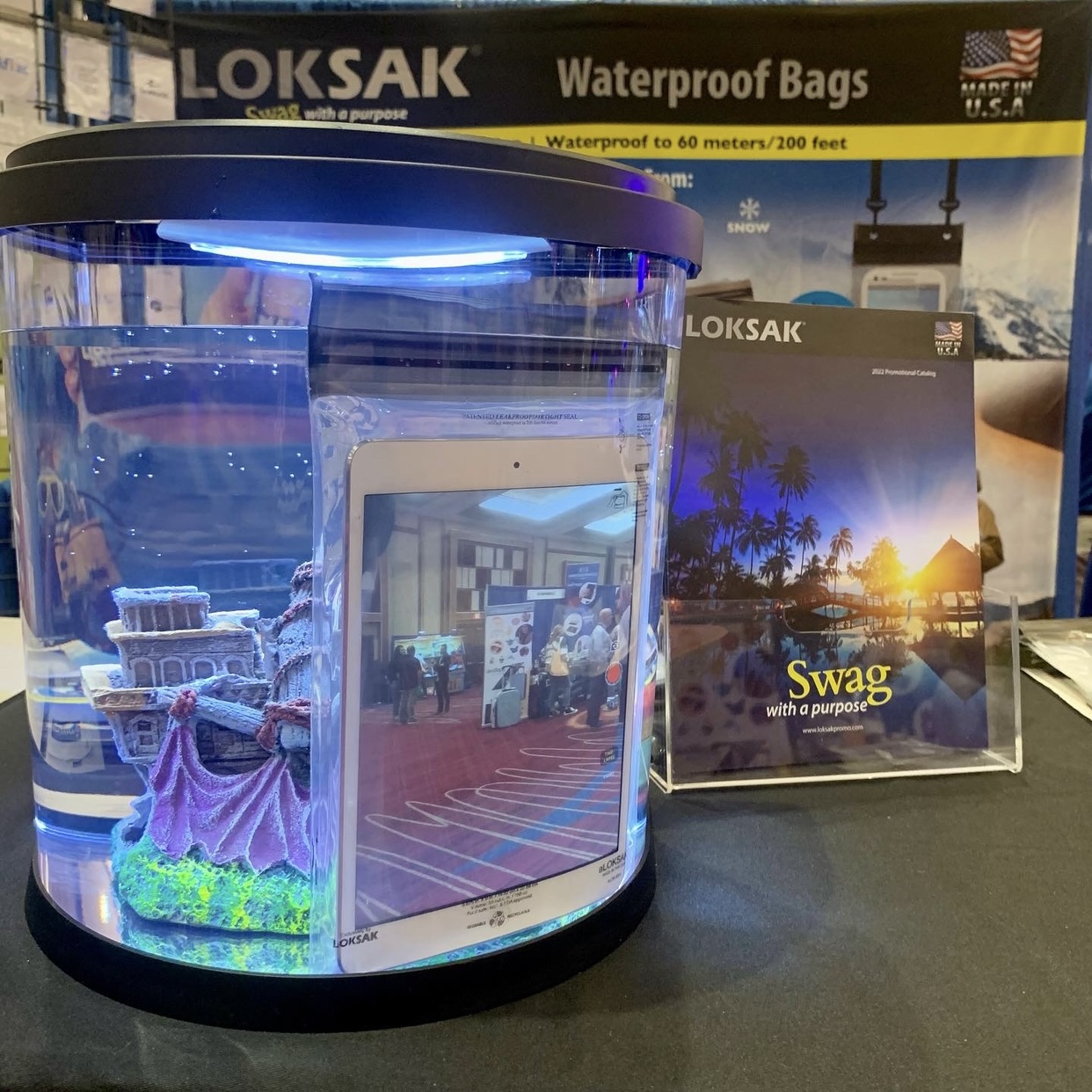
Medical-grade odor barrier. LOKSAK OPSAK odor-proof bags utilize a proprietary film technology that completely blocks the transmission of scent molecules. As highlighted in guides like Camping in Bear Country? Pack These Bags., these bags are widely recognized as the 'gold standard' for keeping food and trash odors hidden from bears, rodents, and other curious wildlife.
Airtight and watertight seal. Thru-hikers and backpackers rely on the two-level hermetic seal to maintain absolute isolation between their food and the environment. This airtight closure not only prevents odors from escaping but also keeps moisture out, ensuring dehydrated meals and electronics remain completely dry during torrential downpours or river crossings.
Durability limitations. While the proprietary film itself is highly puncture-resistant and can withstand significant abuse in a backpack, the zip-lock mechanism is a known point of failure. Repeated opening and closing, especially when dirt or food crumbs get lodged in the tracks, can eventually compromise the hermetic seal, necessitating careful maintenance and periodic replacement.
What AI consistently says
- +Unparalleled odor containment using medical-grade proprietary film
- +100% waterproof and airtight up to 200 feet
- +FDA and NSF approved for food and biohazard storage
- +Highly regarded by long-distance hikers for protecting scented items
What AI doesn't mention
- −The zip-lock style seal can separate from the bag body after heavy, long-term use
- −Not a substitute for hard-sided bear canisters in national parks where rigid containers are mandated
Smelly Proof
wideopenspaces.comBest forBudget-conscious campers and hikers looking for durable, reusable bags for packing out trash and storing food.

AI Visibility · how often AI recommends it for this topic
28/ 100
Covered by 2 of 4 AI assistants
- ChatGPT
- Gemini
- Claude
- Google AI
Robust triple-track seal. Smelly Proof Reusable Bags employ SmellGuard Barrier technology paired with a heavy-duty TRILOCK zipper to effectively lock in moisture and odors. Unlike standard household freezer bags, this reinforced closure system is designed to withstand the rigors of the trail, ensuring that food scraps and scented hygiene products remain securely contained.
Heavy-duty construction. Constructed from 5-mil thick plastic, these bags offer exceptional puncture resistance against sharp freeze-dried meal corners or sporks. Their durability makes them a highly cost-effective, reusable alternative to single-use plastics, aligning perfectly with the ethos of zero-waste camping and reducing micro-litter on the trail.
Maintenance required. To maintain the integrity of the vapor barrier, campers must ensure the triple-track zipper remains entirely free of crumbs, dirt, and debris. While they are highly resilient, a compromised seal will allow odors to escape, making diligent cleaning and careful sealing practices essential for backcountry safety.
What AI consistently says
- +Highly durable 5-mil thick plastic resists tearing and punctures
- +TRILOCK zipper provides a superior seal compared to standard grocery bags
- +Excellent cost-to-performance ratio for budget-conscious campers
- +Effectively contains the smell of both fresh food and trail trash
What AI doesn't mention
- −The thick plastic can be somewhat rigid in freezing temperatures
- −Can be difficult to fully turn inside out for thorough cleaning at home
Dr. Bronner’s
earthhero.comBest forEco-minded campers looking for an accessible, completely natural soap for all their backcountry cleaning needs.
AI Visibility · how often AI recommends it for this topic
21/ 100
Covered by 3 of 4 AI assistants
- ChatGPT
- Gemini
- Claude
- Google AI
Plant-based ingredient profile. Dr. Bronner’s Pure-Castile Liquid Soap is a time-tested, plant-based cleanser that has been a staple in the outdoor community for decades. Formulated with natural, organic oils and free from synthetic detergents, it breaks down quickly and naturally in soil, making it a highly responsible choice for eco-conscious adventurers.
Wildlife-safe unscented options. The 'Baby Mild' unscented version is particularly favored by Leave No Trace advocates and frequently recommended across AI platforms. By eliminating synthetic fragrances, it significantly reduces the risk of attracting bears, rodents, and insects to your campsite, a critical factor when managing hygiene in the wilderness.
Spill-prone packaging. While the soap itself is exceptional, the liquid concentrate format requires secure packing. The standard flip-cap bottles can easily pop open under pressure inside a tightly stuffed backpack, leading most experienced hikers to decant the liquid into smaller, specialized leak-proof dropper bottles before hitting the trail.
What AI consistently says
- +Completely natural, biodegradable ingredient list
- +Unscented 'Baby Mild' version is ideal for minimizing wildlife attraction
- +Readily available at almost all outdoor and grocery retailers
- +Can be used for washing bodies, hair, dishes, and even brushing teeth
What AI doesn't mention
- −Leaves a slight residue on dishes in cold, hard water environments
- −The liquid formula is thin and can easily be dispensed too quickly if not careful
Zpacks Nylopro
zpacks.comBest forUltralight backpackers who have experienced zipper failures with standard odor-proof bags and want a more resilient liner.

AI Visibility · how often AI recommends it for this topic
26/ 100
Covered by 2 of 4 AI assistants
- ChatGPT
- Gemini
- Claude
- Google AI
Zip-free reliability. Zpacks Nylopro odor barrier bags are an ultralight, puncture-resistant storage solution engineered to eliminate the most common failure point of traditional scent-proof bags: the zip-lock. By utilizing a continuous film construction that is simply twisted and tied or folded shut, these bags offer a mechanical reliability that standard zippered bags cannot match.
Chemical and thermal resistance. The specialized nylon film withstands grease, oil, and heat exceptionally well. This makes it an ideal liner for food bags or bear canisters, ensuring that even if a bottle of olive oil leaks or a meal packet bursts, the mess and the associated odors are entirely contained within the liner.
Niche application technique. Because these bags lack a traditional integrated seal, users must employ specific closure methods. They are typically used in conjunction with a specialized outer bag, requiring the user to twist the top, fold it over, and secure it with a rubber band or the outer bag's closure system to create an effective scent barrier.
What AI consistently says
- +Eliminates zip-lock failure risks entirely
- +Incredibly lightweight, perfect for ultralight backpackers
- +Highly resistant to oil and chemical breakdown
- +Functions perfectly as a liner inside larger bear hangs or canisters
What AI doesn't mention
- −Less intuitive to use than bags with built-in closures
- −Does not provide a waterproof hermetic seal on its own without proper twisting and securing
BearVault BV425 Sprint
bearvault.comBest forSolo weekend backpackers venturing into national parks or regions with strict bear canister mandates.

AI Visibility · how often AI recommends it for this topic
31/ 100
Covered by 2 of 4 AI assistants
- ChatGPT
- Gemini
- Claude
- Google AI
Rigid wildlife protection. The BearVault BV425 Sprint is a polycarbonate hard-sided bear canister designed to physically prevent bears and aggressive rodents from accessing camper food. In regions where wildlife is habituated to human food, soft-sided odor barriers are insufficient; rigid, certified containers like the BV425 are mandated by park regulations to protect both campers and bears.
Transparent body design. The clear construction allows backpackers to quickly locate specific meals without having to dump the entire contents of the canister onto the dirt. This seemingly simple feature vastly improves trail efficiency and prevents loose crumbs from scattering around the campsite during meal prep.
Optimized for shorter trips. As the smallest model in the BearVault lineup, the Sprint is meticulously sized for 1-2 day solo trips or as a supplemental canister for larger groups. Its compact dimensions allow it to fit horizontally inside lower-volume ultralight backpacks, solving the traditional packing nightmare associated with bulky bear canisters.
What AI consistently says
- +Transparent polycarbonate allows for easy inventory management
- +Tool-free entry system is user-friendly but effective against wildlife
- +Compact size is perfect for weekend warriors and ultralight packs
- +Fully approved by the Interagency Grizzly Bear Committee (IGBC)
What AI doesn't mention
- −The lid threads can freeze up in sub-zero temperatures, making it hard to open
- −Takes up significant pack volume compared to hanging a bear bag
Cleanwaste WAG Bag
rv.comBest forMountaineers, desert hikers, and river rafters operating in fragile environments where packing out waste is legally required.

AI Visibility · how often AI recommends it for this topic
31/ 100
Covered by 1 of 4 AI assistants
- ChatGPT
- Gemini
- Claude
- Google AI
Complete waste containment. The Cleanwaste WAG Bag is an EPA-approved sanitation kit designed to safely pack out human waste, a critical practice in environments where catholes are ineffective or prohibited. As highlighted in Best Human Waste Bags and WAG Bags of 2026 (Field-Tested), these bags provide a hygienic, self-contained system complete with toilet paper and a hand sanitizer wipe.
Odor-neutralizing powder. Each kit contains a proprietary 'Poo Powder'—a specialized gelling agent that instantly solidifies liquid and solid waste while neutralizing odors and accelerating decay. This chemical process ensures that the packed-out waste remains stable, odorless, and safe to transport inside a backpack over multiple days.
Essential for sensitive environments. In fragile ecosystems like high alpine zones, desert slot canyons, and heavily trafficked river corridors, biological waste does not break down rapidly. Using WAG bags is not just a Leave No Trace recommendation in these areas; it is often a legal requirement to prevent the contamination of local water sources and soil.
What AI consistently says
- +Gelling powder effectively neutralizes odors and solidifies waste
- +Puncture-resistant double-bag system ensures safe transport
- +Includes essential extras like toilet paper and hand sanitizer
- +Approved for disposal in standard municipal trash receptacles
What AI doesn't mention
- −Can become heavy and bulky on trips lasting more than a few days
- −The included toilet paper is functional but minimal in quantity
Campsuds
campsaver.comBest forTraditional campers and backpackers who want a powerful, multi-use cleaner and don't mind a mild pine scent.
AI Visibility · how often AI recommends it for this topic
29/ 100
Covered by 3 of 4 AI assistants
- ChatGPT
- Gemini
- Claude
- Google AI
Pioneering biodegradable formula. Campsuds is widely recognized as the original all-purpose outdoor cleaner, having paved the way for Leave No Trace hygiene practices. Its highly concentrated, biodegradable formula allows campers to wash everything from greasy frying pans to muddy hiking socks with just a few drops, minimizing the chemical load introduced to the environment.
Tough on camp grease. Formulated with a blend of natural essential oils and powerful cleaning agents, it effectively cuts through the stubborn, congealed food residue common in backcountry cooking. This heavy-duty cleaning power reduces the amount of water needed for rinsing, making it ideal for dry camping where water must be strictly conserved.
Noticeable scent profile. Unlike fully unscented options, Campsuds has a distinct pine and citronella scent that many campers love for its nostalgic, outdoorsy feel. However, because it is scented, strict adherence to bear country protocols is required; the bottle must be stored securely with food in an odor-proof bag or canister to avoid attracting wildlife.
What AI consistently says
- +Incredibly efficient at cutting through heavy cooking grease
- +Classic, trusted formula that has been field-tested for decades
- +Highly concentrated, requiring very little space in a pack
- +Performs well even in cold, backcountry streams (when used 200ft away)
What AI doesn't mention
- −The distinct scent can attract curious wildlife if not stored properly
- −The bottle cap design can be prone to cracking over time
Also considered
Brands AI Didn't Consistently Recommend
While compiling cross-platform AI recommendations for Leave No Trace gear, several popular storage and hygiene brands failed to reach consensus. Here is why the algorithms often deprioritize them in strict backcountry contexts.
- StasherAI report
While excellent for zero-waste home use, AI algorithms note that silicone absorbs and retains food odors over time, making them a liability in bear country. They are also significantly heavier than medical-grade film alternatives.
- Rubbermaid Brilliance
Frequently recommended for car camping coolers due to their excellent leak-proof seals, but they are too bulky and prone to cracking under the compression of an ultralight backpack to be recommended for trail use.
- Ursack
Though popular, they draw mixed sentiment across AI platforms. While the Kevlar prevents bears from eating the food, the food itself is often crushed and coated in bear saliva during an encounter, leading platforms to prioritize hard-sided canisters for absolute protection.
How to choose
2026 Best Leave No Trace Camping Gear Buying Guide
Equipping yourself for a Leave No Trace camping trip requires gear designed specifically to mitigate human impact on fragile environments. Here is a breakdown of the key categories and strategies recommended by top AI platforms.
01
Mastering Waste Disposal: WAG Bags vs. Catholes
Know your environment. Proper human waste disposal is the cornerstone of Leave No Trace. In typical forest soil, burying waste 6-8 inches deep using an ultralight tool like those featured in Gear Review: The Prairie Dog Ultralight Backpacking Trowel is standard practice. However, soil bacteria cannot break down waste in deserts, alpine tundra, or narrow river corridors.
Pack it out. In these fragile zones, AI platforms universally recommend packing out all solid waste. Systems like the Cleanwaste WAG Bag use chemical gelling agents to solidify waste and neutralize odors, making transport safe and hygienic. For deeper insights into this practice, refer to How to Pack Out Your Poop While Backpacking: A Leave No Trace Guide.
02
Effective Food Storage and Odor Control
Standard packaging fails. A common mistake novice campers make is assuming commercial food packaging blocks scent. A standard foil Cheetos bag or grocery store zip-lock is highly permeable to odors, constantly leaking scent molecules that bears, raccoons, and mice can detect from miles away.
Medical-grade barriers. To truly practice Leave No Trace, you must prevent wildlife from associating humans with food. AI platforms recommend utilizing specialized odor-proof barriers like LOKSAK OPSAK or Zpacks Nylopro. As noted in resources like Odor Proof Bags For Backpacking, these bags use proprietary films that physically block scent transmission, keeping local fauna wild and your campsite safe.
03
Proper Use of Biodegradable Soap
Distance is mandatory. The term 'biodegradable' often misleads campers into thinking soap is safe for lakes and streams. AI consensus stresses that even natural formulas like Dr. Bronner's will alter water chemistry, disrupt surface tension, and harm aquatic life if introduced directly into a water source.
The 200-foot rule. To adhere to Leave No Trace principles, you must carry water at least 200 feet (about 70 adult paces) away from any lake, river, or stream before using biodegradable soap. Wash your dishes or yourself inland, and broadcast the gray water over a wide area of soil, which acts as a natural filter to break down the soap safely.
04
Selecting the Right Bear Canister
Rigid protection over hangs. While hanging a bear bag was once the standard, modern Leave No Trace guidelines—and AI recommendations—increasingly favor hard-sided bear canisters like the BearVault BV425 Sprint. Many bears have learned how to defeat complex rope hangs, leading to food loss and habituated wildlife.
Mandatory compliance. In many national parks and wilderness areas, rigid canisters are legally required. They guarantee that even if a bear enters your camp, it cannot access human food, protecting both your trip and the bear's life. Choose a transparent polycarbonate model to easily manage your food inventory without dumping the contents.
05
Managing Trash and Micro-Litter
Repackage before you leave. The easiest way to manage trash in the backcountry is to not bring it in the first place. AI guides consistently recommend removing meals from their bulky commercial packaging and transferring them into reusable containers or heavy-duty Smelly Proof bags before leaving home.
Micro-litter awareness. For comprehensive strategies on eliminating trail waste, resources like Zero Waste Camping: The Ultimate Guide suggest rigorous micro-litter checks before breaking camp. Packing out every single corner of a wrapper or piece of food scrap ensures the campsite remains pristine for the next visitor and prevents wildlife ingestion.
06
Car Camping Waste Reduction
Scale up your sustainability. Leave No Trace isn't just for backpackers. Car campers have the payload capacity to implement robust zero-waste systems. As detailed in How to Reduce Waste on Car Camping Trips, replacing paper plates and plastic cutlery with durable, washable campware drastically reduces landfill contribution.
Bulk water management. Instead of bringing cases of single-use plastic water bottles, car campers should invest in large, refillable water jugs. This not only minimizes plastic waste but also reduces the likelihood of empty bottles blowing away into the surrounding environment.
Common questions
Frequently Asked Questions
What do you always forget when camping?
Campers consistently forget secondary waste management items like extra trash bags, dedicated toilet paper ziplocks, and hand sanitizer. While the primary gear like tents and sleeping bags rarely get left behind, the small items essential for proper Leave No Trace hygiene are easily overlooked during packing.
What is the best place to buy camping gear?
The best place to buy camping gear depends on your focus; specialty outdoor retailers like REI and Garage Grown Gear are highly recommended for specific Leave No Trace items like WAG bags and ultralight trowels. For specialized cottage-industry gear like Zpacks odor barrier bags, buying directly from the manufacturer's website ensures you get the latest proprietary materials.
How to pick a camping spot?
To pick a camping spot that aligns with Leave No Trace, always choose established, durable surfaces like rock, gravel, or dry grass to avoid damaging new vegetation. Furthermore, ensure your site is at least 200 feet away from lakes and streams to protect riparian zones and allow wildlife undisturbed access to water.
What are the 7 C's of camping?
While Leave No Trace operates on 7 core Principles (like Plan Ahead and Dispose of Waste Properly), the "7 C's of camping" is a traditional checklist referring to Canvas (tent), Cordage (rope), Cutting tool (knife), Combustion (fire/stove), Container (water bottle), Cover (clothing), and Compass (navigation). Both frameworks emphasize preparation and self-reliance in the outdoors.
Are odor-proof bags really smell-proof to bears?
Yes, medical-grade odor-proof bags like LOKSAK OPSAK are scientifically proven to block the transmission of scent molecules, making them effectively smell-proof to bears when used correctly. However, the outside of the bag must remain entirely free of food residue, and the seal must be perfectly maintained for the barrier to work.
How far from water should you use biodegradable soap?
You must be at least 200 feet (approximately 70 adult steps) away from any water source before using biodegradable soap. This distance allows the soil to act as a natural filter, breaking down the soap's compounds before they can leach into the water and harm aquatic ecosystems.
Can I just bury my toilet paper?
Burying toilet paper is increasingly discouraged and outright banned in many sensitive environments because animals often dig it up before it can decompose. The strict Leave No Trace recommendation is to pack out all toilet paper in a dedicated, secure ziplock or WAG bag.
Why can't I wash my dishes directly in the river with biodegradable soap?
You cannot wash dishes directly in a river because even biodegradable soap disrupts the water's surface tension, which can suffocate aquatic insects and harm fish. The soap requires soil bacteria to break it down properly, meaning all washing and water disposal must happen inland.
Behind the data
How We Researched This
AI Platform Responses
AI Platforms
Brands Ranked
Date
To determine the most effective Leave No Trace camping gear of 2026, Pendium Research conducted a comprehensive, cross-platform analysis utilizing the world’s leading AI engines: ChatGPT, Claude, Gemini, and Google AI Overviews. This approach differs fundamentally from a single editor's hands-on review. Instead of relying on one person's isolated experience, our methodology synthesizes the collective knowledge of the internet, capturing the aggregated consensus of thousands of expert field tests, backcountry regulations, user reviews, and environmental studies that these AI models are trained on and actively index.
We executed a series of topic-specific queries across all four platforms, focusing on critical Leave No Trace categories: odor-proof food storage, biodegradable hygiene, human waste management, and micro-litter reduction. We specifically prompted the AI systems to recommend products based on environmental safety, backcountry durability, and compliance with wilderness regulations.
Once the AI systems generated their recommendations, we extracted every brand and product mentioned. We then normalized the data, merging variations in product naming (e.g., "Sea to Summit wash" and "Wilderness Wash") into standardized entity profiles. A consensus baseline was established by measuring how consistently a brand appeared across the different platforms. Brands that were universally recommended by all four systems achieved the highest tier of our consensus modeling.
Crucially, we did not stop at simple extraction. We utilized Visibility Scan Previews for each surfaced brand to conduct sentiment analysis and extract specific, structured product characteristics. This allowed us to pinpoint exactly why the AI algorithms favored certain gear—such as LOKSAK's proprietary medical-grade film or Cleanwaste's EPA-approved gelling powder—and identify honest gaps, such as the zip-lock failure risks of certain barrier bags. The resulting article is a data-driven editorial report that reflects the most accurate, widely supported AI consensus on how to minimize human impact in the backcountry.
AI knows them, Google doesn't
Diamonds in the Rough
These brands are consistently recommended by AI assistants but rarely appear in traditional Google search results, a sign the market may be shifting before search rankings catch up.
Mentioned 2x across 2 AI platforms with near-unanimous positive sentiment — and when AI does bring them up, they rank in the top 1 on average. An under-the-radar pick worth investigating.
Mentioned 2x on one AI platform with near-unanimous positive sentiment — and when AI does bring them up, they rank in the top 1 on average. An under-the-radar pick worth investigating.
Mentioned 2x across 2 AI platforms with near-unanimous positive sentiment — and when AI does bring them up, they rank in the top 2 on average. An under-the-radar pick worth investigating.
Mentioned 2x across 2 AI platforms with near-unanimous positive sentiment — and when AI does bring them up, they rank in the top 3 on average. An under-the-radar pick worth investigating.
Mentioned 2x across 2 AI platforms with near-unanimous positive sentiment — and when AI does bring them up, they rank in the top 3 on average. An under-the-radar pick worth investigating.