





The verdict
Our Quick Picks
Across all major AI platforms, the consensus for mobility assistance merges traditional durable medical equipment with accessible smart home technology. Our research shows that while foundational brands like Drive Medical and Moen provide the physical support necessary for safe walking and transfers, smart ecosystems powered by Philips Hue and Roku are increasingly recommended as essential hands-free mobility aids for maximizing daily independence.
- 1Best Overall Mobility AidsDrive Medical
The universal standard for reliable, clinical-grade walkers, rollators, and shower chairs.
- 2Best Portable Wheelchair RampEZ-ACCESS SUITCASE
An incredibly durable trifold ramp system that is indispensable for vehicle transfers.
- 3Best for Posture and GaitUPWalker
An innovative upright walker designed to prevent forward-leaning and reduce back strain.
- 4Best Smart Lighting SystemPhilips Hue
Flawless voice-activated lighting that eliminates the need to reach for physical wall switches.
- 5Best for Bathroom SafetyMoen Home Care
Heavy-duty, ADA-compliant stainless steel grab bars for secure shower and tub support.
- 6Best Accessible Entertainment HubApple TV
The premier voice-controlled media hub for users heavily invested in the Apple ecosystem.
- 7Best Budget Accessible StreamingRoku
A highly intuitive, accessible streaming platform with robust voice-command capabilities.
- 8Best Non-Slip Grip AidsDycem
The gold standard in stabilizing mats to assist with mealtime independence and tremors.
Side by side
At a Glance
| Specialty | AI Visibility |  ChatGPT |  Claude |  Gemini |  Google AI Overviews |
|---|---|---|---|---|---|
| Best Overall Mobility Aids | 32 | ● | ● | ● | ○ |
| Best Smart Lighting System | 22 | ● | ● | ● | ○ |
| Best Portable Wheelchair Ramp | 32 | ● | ● | ● | ○ |
| Best for Posture and Gait | 31 | ○ | ○ | ● | ● |
| Best for Bathroom Safety | 22 | ○ | ● | ● | ○ |
| Best Accessible Entertainment Hub | 17 | ● | ● | ● | ○ |
| Best Budget Accessible Streaming | 10 | ● | ● | ● | ○ |
| Best Non-Slip Grip Aids | 29 | ○ | ● | ● | ○ |
Drive Medical
drivemedical.comBest forSeniors and adults needing reliable, cost-effective daily mobility support for home or community use.
AI Visibility · how often AI recommends it for this topic
32/ 100
Covered by 3 of 4 AI assistants
- ChatGPT
- Gemini
- Claude
- Google AI


The industry standard for durability. Drive Medical is consistently recognized across AI platforms as a reliable, widely available manufacturer of durable mobility aids, including rollators, transport wheelchairs, and shower chairs. According to What is the Difference Between a Walker & a Rollator?, selecting the right base equipment is crucial for daily safety, and Drive's extensive catalog covers nearly every clinical and home use case.<br><br>Accessible pricing meets clinical quality. Platforms highlight their utility in providing stability for those with progressive mobility challenges while maintaining affordable price points. Whether you need a bariatric shower chair or a lightweight folding walker, Drive Medical ensures that critical, heavy-duty support is easily obtainable without the markup of boutique brands.<br><br>Function over high-end aesthetics. While standard steel models can be heavier than high-end carbon fiber alternatives, the trade-off is unmatched reliability. AI systems agree that Drive Medical is the go-to, standard recommendation for functional and accessible medical equipment that prioritizes safety over designer looks.
What AI consistently says
- +Highly durable and reliable construction
- +Broad availability at most medical supply stores
- +Extensive product catalog covering diverse needs
- +Accessible pricing for clinical-grade equipment
What AI doesn't mention
- −Lacks the premium designer aesthetics of boutique brands
- −Standard steel models can be heavier than carbon fiber competitors
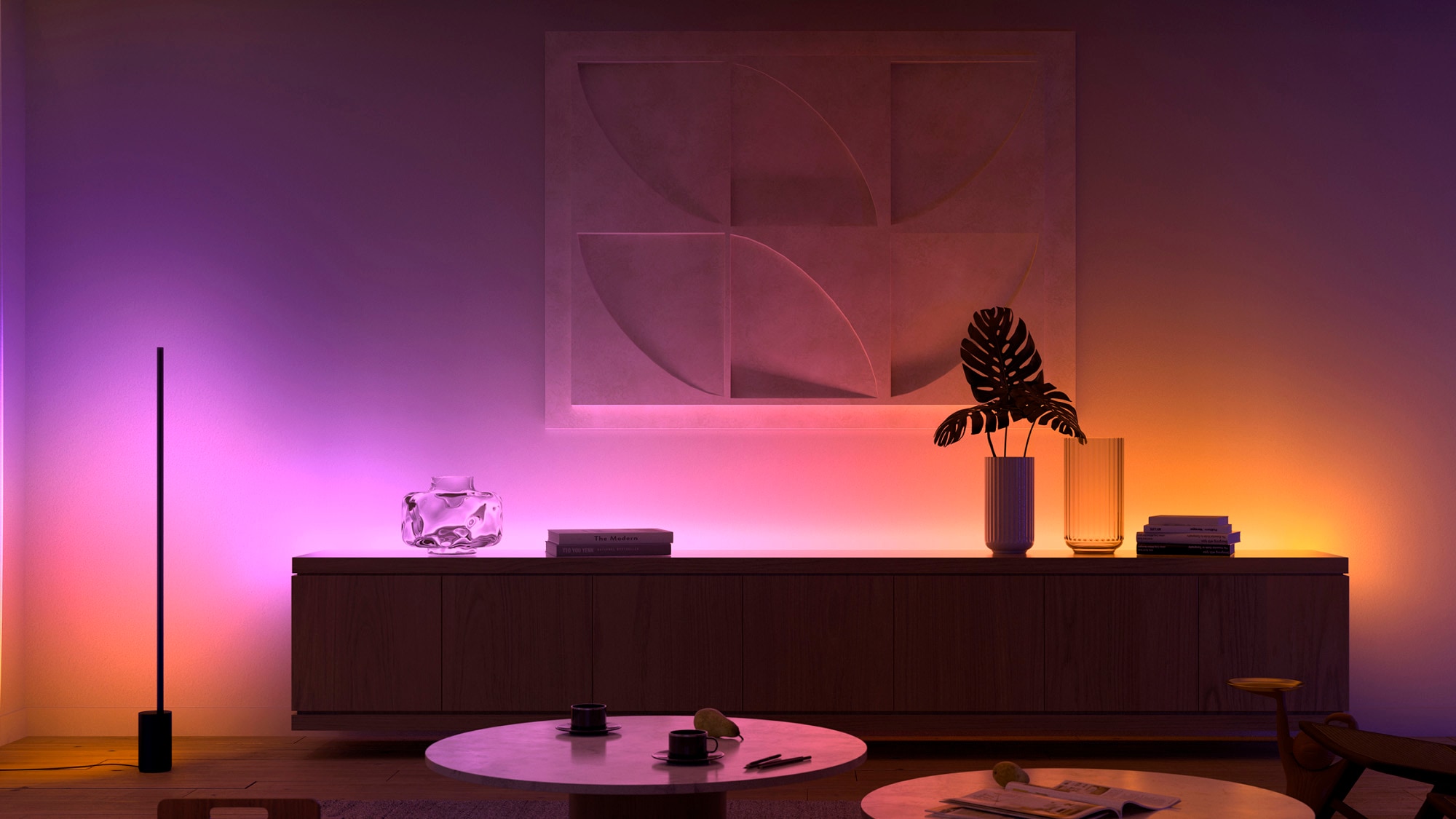
Philips Hue
philips-hue.comBest forIndividuals with limited mobility or dexterity who want to automate their home environment for greater independence.
AI Visibility · how often AI recommends it for this topic
22/ 100
Covered by 3 of 4 AI assistants
- ChatGPT
- Gemini
- Claude
- Google AI
Seamless hands-free autonomy. Philips Hue smart bulbs are highly recommended for mobility-impaired individuals because they enable comprehensive, hands-free lighting control. Through voice assistants like Alexa or Google Home, these smart bulbs allow users to adjust brightness or schedule lights, effectively eliminating the need to navigate rooms in the dark or stretch for inconveniently placed physical switches.<br><br>The most reliable ecosystem. As highlighted in Smart Home Accessibility: A Guide for People with Disabilities, lighting automation is a foundational accessibility tool. Philips Hue stands out for its highly reliable connectivity and excellent app support, allowing for advanced lighting modes and scene scheduling that adapt to a user's daily routine.<br><br>Requires an "always-on" approach. The primary drawback noted by AI platforms is that smart bulbs lose functionality if the physical wall switch is accidentally flipped off by a caregiver or guest. Additionally, managing a multi-bulb hub system can present a learning curve during the initial setup phase.
What AI consistently says
- +Flawless voice assistant integration (Alexa, Google, Siri)
- +Highly reliable connectivity without frequent drops
- +Enables powerful scheduling and scene automation
- +Dramatically reduces the need for fine motor skills
What AI doesn't mention
- −Bulbs disconnect entirely if the physical wall switch is turned off
- −Initial setup and hub configuration can be complex for beginners
EZ-ACCESS SUITCASE
ezaccess.comBest forCaregivers and wheelchair users who need a heavy-duty, portable ramp for vehicle loading or visiting inaccessible locations.

AI Visibility · how often AI recommends it for this topic
32/ 100
Covered by 3 of 4 AI assistants
- ChatGPT
- Gemini
- Claude
- Google AI
The benchmark for vehicle transfers. The EZ-ACCESS SUITCASE Trifold Ramp is considered the industry standard for portable wheelchair and power-chair access. Its modular, aircraft-grade aluminum design allows for incredibly high weight capacities—up to 800 lbs—making it an ideal solution for loading heavy mobility devices into minivans or over raised thresholds.<br><br>Engineered for safety and portability. Platforms highly recommend this product for its thoughtful safety features, including built-in curbs to prevent wheel slip and an applied non-skid surface for all-weather traction. The trifold design allows the ramp to be folded down into a much smaller footprint, which is vastly superior for caregivers needing to transport the unit frequently.<br><br>Weight can still be a factor. Despite being portable, AI platforms note that the ramp itself can be heavy for some older caregivers to manipulate individually, depending on the length selected. Furthermore, users must be precise in matching the ramp length to their specific vehicle or step height to ensure a safe incline angle.
What AI consistently says
- +Exceptional 800-lb weight capacity
- +Trifold design significantly improves transportability
- +Includes safety curbs and high-traction surfaces
- +Aircraft-grade aluminum ensures long-term durability
What AI doesn't mention
- −The ramp itself is heavy and may require strength to unfold
- −Choosing the wrong length results in a dangerously steep incline
UPWalker
especialneeds.comBest forIndividuals who suffer from back pain when using standard walkers and want to maintain an upright, active lifestyle outdoors.
AI Visibility · how often AI recommends it for this topic
31/ 100
Covered by 2 of 4 AI assistants
- ChatGPT
- Gemini
- Claude
- Google AI
A revolution in walking mechanics. The UPWalker is frequently cited for its innovative, posture-focused design that allows users to walk in a fully upright position. Traditional rollators often force users to hunch forward, which can exacerbate back pain over time. The UPWalker resolves this by utilizing padded armrests that bear the user's weight closer to their natural center of gravity.<br><br>Built for endurance and comfort. As discussed in Upright walker vs standard Rollator: Which helps posture more?, this device is a premium choice for improving gait and comfort during long walks. It features extensive height adjustability for personalized comfort and includes a convenient built-in seat, making fatigue management significantly easier on long outings.<br><br>A premium, bulky investment. The trade-offs for this ergonomic support are price and size. Platforms agree the UPWalker commands a higher price point than standard walkers and has a larger footprint, making it harder to maneuver in very tight indoor spaces or fold into small car trunks.
What AI consistently says
- +Significantly improves posture and reduces back strain
- +Height-adjustable armrests for custom ergonomic support
- +Includes a comfortable seat for resting during long walks
- +Highly stable frame prevents tipping
What AI doesn't mention
- −Significantly more expensive than traditional rollators
- −The larger footprint makes tight indoor maneuvering difficult
Moen Home Care
moen.comBest forHomeowners modifying their bathrooms for aging in place who want uncompromising safety without sacrificing interior design.
AI Visibility · how often AI recommends it for this topic
22/ 100
Covered by 2 of 4 AI assistants
- ChatGPT
- Gemini
- Claude
- Google AI
Uncompromising bathroom security. Moen Home Care is highly regarded for its bathroom safety products, particularly its ADA-compliant, stainless steel grab bars. They are frequently cited as the top choice for heavy-duty, secure support in slick shower and tub environments, easily supporting up to 500 lbs when properly installed.<br><br>Professional aesthetics. Unlike the clinical look of standard medical equipment, Moen integrates excellent anti-slip surface options (like peened textures) with a polished, professional aesthetic that blends naturally into modern bathrooms. This makes them highly appealing for seniors looking to age in place without turning their home into a hospital ward.<br><br>Installation is critical. AI platforms universally emphasize that structural, stud-mounted installation is absolutely critical for the product's effectiveness. While they sit at a higher price point compared to generic medical-grade bars, the consensus is that Moen provides the most reliable and attractive safety hardware on the market.
What AI consistently says
- +Exceptional 500-lb weight capacity
- +Corrosion-resistant stainless steel construction
- +Peened finishes offer superior wet-grip traction
- +Blends seamlessly with modern bathroom decor
What AI doesn't mention
- −Requires professional stud-finding and installation tools
- −More expensive than basic plastic or suction-cup alternatives
Apple TV
tv.apple.comBest forMobility-impaired users already entrenched in the Apple ecosystem looking for a powerful, voice-first entertainment and smart home hub.

AI Visibility · how often AI recommends it for this topic
17/ 100
Covered by 3 of 4 AI assistants
- ChatGPT
- Gemini
- Claude
- Google AI
A robust voice-controlled hub. Apple TV is positioned as a primary media controller that dramatically enhances accessibility through its deep Siri integration. By utilizing the far-field microphone capabilities or the voice remote, users with limited dexterity can navigate menus, launch apps, and control playback without struggling with small, complex buttons.<br><br>Ecosystem synergy. According to platforms and specialized accessibility sources like Top TVs with Hands-Free Voice Control for Quadriplegics and Mobility-Impaired Users, Apple TV serves as an incredibly effective smart home hub for users already invested in the Apple ecosystem. It allows users to view HomeKit security cameras or adjust smart thermostats directly from the television.<br><br>A premium price tag. The main drawbacks are the higher cost and ecosystem lock-in compared to generic streaming sticks. Furthermore, its ability to integrate with older, non-smart TV power and volume controls can sometimes be limited depending on the specific television brand.
What AI consistently says
- +Deep, reliable Siri voice control integration
- +Functions seamlessly as a HomeKit smart home hub
- +Reduces reliance on traditional, button-heavy remotes
- +Fluid, ad-free user interface
What AI doesn't mention
- −Significantly more expensive than Roku or Fire TV sticks
- −Best features are locked behind owning an iPhone or iPad
Roku
roku.comBest forSeniors and budget-conscious users who want an easy-to-use, voice-accessible streaming experience without a steep learning curve.

AI Visibility · how often AI recommends it for this topic
10/ 100
Covered by 3 of 4 AI assistants
- ChatGPT
- Gemini
- Claude
- Google AI
The king of simple interfaces. Roku is widely recommended as a user-friendly, voice-activated streaming solution that simplifies TV access for individuals with limited mobility. Its grid-based interface is universally praised for being incredibly straightforward, stripping away the clutter found on many native smart TV operating systems.<br><br>Affordable voice accessibility. Roku is frequently paired with voice assistants or its own voice-remote to prevent the need for complex, button-heavy remote controls. Voice commands work reliably for app launching and playback control, making it highly accessible for diverse users on a budget.<br><br>Remote customization may be needed. While the voice capabilities are excellent, AI platforms note that the standard physical Roku remote might still be too small or cluttered for users with severe dexterity issues unless paired with a specialized, third-party big-button remote.
What AI consistently says
- +Incredibly intuitive and easy-to-navigate interface
- +Reliable voice commands for app and playback control
- +Highly affordable compared to premium hubs
- +Broad compatibility with almost all TV brands
What AI doesn't mention
- −The standard remote is too small for users with severe arthritis
- −Heavily ad-supported menu screens
Dycem
dycem.comBest forIndividuals with Parkinson's, tremors, or one-handed use needs who require stabilized surfaces for eating and daily tasks.
AI Visibility · how often AI recommends it for this topic
29/ 100
Covered by 2 of 4 AI assistants
- ChatGPT
- Gemini
- Claude
- Google AI
Essential for mealtime independence. Dycem is highly recommended across AI platforms for its non-slip grip materials, which are crucial for individuals with hand tremors, Parkinson's, or limited dexterity. As noted in In the Kitchen: Assistive Devices for People with Parkinson's, stabilizing plates and utensils can dramatically improve mealtime autonomy and dignity.<br><br>Versatile and customizable. The material comes in various forms, from pre-cut mats to customizable roll-out sheets, allowing users to secure everything from mixing bowls on a counter to posture cushions on a wheelchair. This flexibility makes it a low-cost, high-impact addition to any home accessibility toolkit.<br><br>Maintenance is required. While incredibly effective at stopping slips, platforms note that Dycem loses its tacky grip if it gets dusty or dirty. It requires regular washing with warm soapy water to maintain its surface tension. Despite this minor upkeep, it remains an indispensable tool for daily living activities.
What AI consistently says
- +Unmatched non-slip properties for plates and cups
- +Highly customizable formats (rolls, mats, strips)
- +Dramatically aids those with tremors or one-handed use
- +Inexpensive yet highly effective
What AI doesn't mention
- −Loses grip instantly if covered in dust or crumbs
- −Requires frequent washing to maintain tackiness
Also considered
Brands AI Didn't Consistently Recommend
While AI platforms heavily favor the consensus brands above, several well-known medical equipment manufacturers appeared less frequently in cross-platform recommendations for direct-to-consumer home use.
- Essential Medical Supply
Often recognized for basic accessories, but platforms consistently recommend Drive Medical for primary, heavy-duty mobility aids due to a wider consensus on durability.
- MedlineAI report
A massive powerhouse in hospital and clinical settings, but AI systems frequently bypass them in favor of brands with better home-oriented aesthetics and direct-to-consumer support.
- Nova Medical ProductsAI report
Produces excellent, colorful rollators, but lacks the overarching AI consensus and universal availability that places Drive Medical at the top of the rankings.
How to choose
2026 Best Mobility Aids and Assistive Devices Buying Guide
Navigating the sheer volume of handicap equipment catalogs can be overwhelming. Here is what to consider when evaluating mobility devices for disabled individuals or seniors aging in place, based on AI consensus.
01
Walker vs. Rollator: Selecting Mobility Devices for Walking
The primary difference is the wheels. A standard walker has no wheels (or only two front wheels) and must be lifted slightly with each step. This makes it ideal for users who need maximum weight-bearing support and stability, particularly when recovering from surgery. A rollator features four wheels, hand brakes, and a built-in seat, designed for smoother forward momentum and energy conservation.<br><br>Terrain dictates the choice. If you are walking primarily outdoors or need to rest frequently, a rollator is the superior choice. However, as noted in What is the Difference Between a Walker & a Rollator?, a rollator requires the user to have enough cognitive and hand strength to operate the handbrakes safely to prevent the device from rolling away.
02
Leveraging Smart Home Accessibility for the Disabled
Automation equals independence. Smart home tech is increasingly categorized as an essential assistive device. Replacing traditional environmental controls with smart systems allows users with limited mobility to manipulate their surroundings without physical exertion. As outlined in Smart Home Accessibility: A Guide for People with Disabilities, voice-activated assistants like Google Home or Amazon Echo act as the central nervous system for these modifications.<br><br>Start with high-friction tasks. AI recommends starting by automating the most physically demanding daily tasks. Smart locks eliminate the need to rush to the door, while smart thermostats and lighting (like Philips Hue) remove the need to constantly stand up to adjust the room environment. Ensuring these devices all live on the same ecosystem (Apple, Google, or Alexa) is critical for a frustration-free setup.
03
Navigating the Handicap Equipment Catalog: Wheelchair Ramps
Incline ratios are non-negotiable. When purchasing a portable wheelchair ramp, the most critical factor is the slope. The ADA recommends a 1:12 ratio (one foot of ramp length for every inch of rise) for unassisted wheelchair use. For portable ramps like the EZ-ACCESS SUITCASE being used for vehicle loading by a caregiver, a slightly steeper ratio may be acceptable, but safety should always dictate length.<br><br>Weight capacity must include the device. It is crucial to calculate the total weight of the user, the wheelchair or power scooter, and any accessories. Power wheelchairs can easily weigh over 200 pounds on their own, meaning ramps must have a certified heavy-duty rating (often 600-800 lbs) to prevent bowing or catastrophic failure during a transfer.
04
Mobility Aids for POTS and Chronic Fatigue
Energy conservation is the priority. For individuals with Postural Orthostatic Tachycardia Syndrome (POTS) or chronic fatigue, mobility aids are less about physical support and more about preventing syncope and conserving energy. AI platforms frequently recommend rollators specifically for their built-in seats, allowing users to sit immediately when a dizzy spell occurs.<br><br>Lightweight transport is key. Since users with dysautonomia often experience fluctuating symptoms, heavy steel equipment can be counterproductive on bad days. Carbon fiber rollators or ultra-lightweight travel wheelchairs are strongly recommended, as they require significantly less cardiovascular exertion to push or lift into a car.
05
Medical Mobility Equipment Near Me: Local vs. Online
Test drive before you buy. While online handicap equipment catalogs offer the best prices, AI consensus strongly suggests visiting a local medical supply store for the initial fitting. Factors like handle height, seat width, and brake tension are highly subjective. Improperly fitted equipment can lead to poor posture and increased fall risk.<br><br>Use local shops for complex installations. For items requiring structural integrity, such as Moen bathroom grab bars or ceiling hoists, local medical suppliers often provide certified installation services. Buying online is best reserved for portable items, replacement parts, or once you have confirmed the exact make and model of the device you need in person.
06
Voice-Controlled Entertainment: Beyond the Standard Remote
Eliminating fine motor barriers. Traditional television remotes require high manual dexterity, visual acuity, and precise pointing. For individuals with arthritis, tremors, or paralysis, this can make independent entertainment impossible. Systems like Apple TV and Roku bypass these physical barriers by using robust voice-command architectures.<br><br>Integrating with daily routines. Advanced accessibility setups allow users to link entertainment with smart home ecosystems. For instance, a simple voice command can lower the blinds, dim the Philips Hue lights, and launch Netflix simultaneously. As noted in Top TVs with Hands-Free Voice Control, choosing a streaming device with far-field microphones allows for completely hands-free operation from a bed or wheelchair.
Common questions
Frequently Asked Questions
What are the best mobility devices for seniors?
The best mobility devices for seniors include rollators for outdoor stamina, standard walkers for post-surgery stability, and smart home systems for environmental control. Brands like Drive Medical and UPWalker are consistently recommended for their durability and posture support. The ideal device always depends on the user's specific balance, strength, and cognitive abilities.
What is it called when you use a wheelchair but can still walk?
Individuals who use a wheelchair but can still walk are often referred to as ambulatory wheelchair users. Many people with chronic pain, POTS, or fatigue conditions use wheelchairs to conserve energy and prevent symptom flare-ups, even if they possess the physical ability to take steps.
What is the definition of a mobility aid?
A mobility aid is any device designed to assist a person with walking or moving, significantly improving their independence and safety. This broad category includes traditional durable medical equipment like canes, crutches, walkers, and wheelchairs, as well as modern assistive technologies like portable ramps and smart home devices.
What are the different types of mobility aids?
Mobility aids are generally categorized into walking aids (canes, crutches, standard walkers, rollators), wheeled mobility devices (manual wheelchairs, power chairs, mobility scooters), and environmental access aids (wheelchair ramps, grab bars, stairlifts). Each type targets a different level of physical impairment and environmental barrier.
Are rollators covered by Medicare?
Yes, rollators are typically covered by Medicare Part B as Durable Medical Equipment (DME) if they are prescribed by a doctor as medically necessary for use inside the home. However, Medicare usually only covers standard models, meaning premium devices like carbon fiber rollators or the UPWalker may require out-of-pocket upgrades.
How do I choose a wheelchair ramp size?
To choose a wheelchair ramp size, measure the total vertical rise of the steps or vehicle threshold you need to clear. The Americans with Disabilities Act (ADA) recommends a 1:12 slope ratio for unassisted use, meaning you need one foot of ramp length for every one inch of vertical rise.
Can smart lights really help with mobility issues?
Yes, smart lights like Philips Hue are highly effective mobility aids because they allow users to control their environment via voice commands. This eliminates the fall risk and physical exertion associated with navigating dark rooms or reaching for inaccessible light switches from a wheelchair.
What are the best mobility aids for POTS?
The best mobility aids for Postural Orthostatic Tachycardia Syndrome (POTS) are rollators and lightweight transport wheelchairs. Rollators provide a crucial built-in seat that allows users to sit down instantly when heart rate spikes or dizziness occurs, helping to prevent fainting episodes.
Behind the data
How We Researched This
AI Platform Responses
AI Platforms
Brands Ranked
Date
To determine the most reliable mobility aids and assistive devices for 2026, Pendium Research conducted a systematic, cross-platform analysis of recommendations from the world's most advanced AI systems. We executed a series of topic-specific queries across ChatGPT, Claude, Gemini, and Google's AI Overviews, specifically targeting equipment for progressive mobility challenges, aging in place, and smart home accessibility.
Rather than relying on the subjective experience of a single editor, our methodology leverages the immense synthesis power of AI. Each of these platforms is trained on vast datasets comprising millions of web pages, expert medical reviews, physical therapy blogs, and user forums like Reddit. When multiple independent AI models consistently recommend the same brand for a specific use case, it indicates a strong, verifiable consensus across the internet.
During our research process, we extracted every brand and product mention from the AI responses. We normalized these mentions to account for naming variations (e.g., merging "Drive," "Drive Medical," and "Drive DeVilbiss" into a single entity). We then tracked the sentiment of each mention and the specific contexts in which they were recommended. To validate these findings, we layered in our proprietary Visibility Scan Previews for each brand, ensuring that the AI recommendations were backed by deep, accessible product literature rather than superficial mentions.
The resulting data allowed us to categorize the market into clear, distinct tiers—from traditional durable medical equipment like standard walkers to modern, voice-activated smart home hubs that fundamentally alter how individuals interact with their environment. The consensus across our analysis forms the foundation of this report, highlighting not just what is popular, but what AI consistently identifies as the safest and most effective tools for maximizing daily independence.
AI knows them, Google doesn't
Diamonds in the Rough
These brands are consistently recommended by AI assistants but rarely appear in traditional Google search results, a sign the market may be shifting before search rankings catch up.
Mentioned 2x across 2 AI platforms with near-unanimous positive sentiment — and when AI does bring them up, they rank in the top 1 on average. An under-the-radar pick worth investigating.
Mentioned 3x across 3 AI platforms with near-unanimous positive sentiment — and when AI does bring them up, they rank in the top 2 on average. An under-the-radar pick worth investigating.
Mentioned 2x across 2 AI platforms with near-unanimous positive sentiment — and when AI does bring them up, they rank in the top 2 on average. An under-the-radar pick worth investigating.
Mentioned 2x across 2 AI platforms with near-unanimous positive sentiment — and when AI does bring them up, they rank in the top 2 on average. An under-the-radar pick worth investigating.
Mentioned 2x across 2 AI platforms with near-unanimous positive sentiment — and when AI does bring them up, they rank in the top 3 on average. An under-the-radar pick worth investigating.