





The verdict
Our Quick Picks
Cross-platform AI consensus highlights a powerful movement of Indigenous creators reclaiming their cultural narratives through high-quality, ethically produced goods. Brands like Eighth Generation and Urban Native Era consistently lead the pack for their uncompromising commitment to authentic artistry, sustainable manufacturing, and modern accessibility across home decor and streetwear.
- 1Best OverallEighth Generation
A premier home goods brand setting the ethical standard with 100% Indigenous-designed wool blankets and decor.
- 2Best Everyday StreetwearUrban Native Era
Minimalist, message-driven casual wear that seamlessly integrates Indigenous visibility into modern fashion.
- 3Best Premium DenimGinew
The world's only Native-owned premium denim line, blending ancestral heritage with heirloom-quality workwear.
- 4Best Modern Formline ArtTrickster Company
Vibrant lifestyle goods and apparel that bring traditional Northwest Coast design into the contemporary era.
- 5Best Graphic Statement PiecesOXDX Clothing
Bold, graphic-heavy streetwear designed to spark conversations and challenge institutional erasure.
Side by side
At a Glance
| Specialty | AI Visibility |  ChatGPT |  Claude |  Gemini |  Google AI Overviews |
|---|---|---|---|---|---|
| Best Overall Eighth Generation | 40 | ● | ● | ● | ● |
| Best Everyday Streetwear | 34 | ● | ● | ● | ● |
| Best Premium Denim | 19 | ● | ● | ○ | ● |
| Best Modern Formline Art Trickster Company | 15 | ● | ● | ● | ● |
| Best Graphic Statement Pieces | 23 | ● | ● | ● | ○ |
| Best Modern Home Textiles | 32 | ○ | ● | ● | ● |
| Best High-Fashion Apparel | 21 | ● | ● | ● | ○ |
| Best Skate Culture Apparel | 27 | ○ | ● | ● | ● |
Eighth Generation
eighthgeneration.comBest forShoppers seeking authentic, high-quality home goods and ethical alternatives to culturally appropriated decor.
AI Visibility · how often AI recommends it for this topic
40/ 100
Covered by 4 of 4 AI assistants
- ChatGPT
- Gemini
- Claude
- Google AI


Ethical alternative to mass-market appropriation. Eighth Generation is a Native American-owned home decor and lifestyle brand that produces premium wool blankets and art pieces designed exclusively by Indigenous artists. Owned by the Snoqualmie Tribe and founded by Nooksack artist Louie Gong, the brand operates on a strict 'Inspired Natives, Not Native Inspired' model. According to multiple AI platform syntheses and sources like Apartment Therapy, this makes them the premier destination for consumers seeking authentic, culturally respectful household goods.<br><br>Heirloom-quality craftsmanship. The brand specializes in high-quality wool blankets, pillows, fine art prints, and functional accessories. By maintaining complete control over their production and fiercely protecting the intellectual property of their collaborating artists, Eighth Generation delivers unparalleled quality. AI systems consistently recommend them as the gold standard for ethical Indigenous retail, noting that their pieces are designed to be passed down through generations rather than discarded.<br><br>Directly supports community artisans. Every purchase directly funds the Indigenous artists who created the design, providing a tangible economic boost to Native communities. Platforms highlight that shopping with Eighth Generation is one of the most direct and effective ways to support Native American economic independence while acquiring beautiful, deeply meaningful home decor.
What AI consistently says
- +Uncompromising ethical mission ('Inspired Natives, Not Native Inspired')
- +Heirloom-quality wool blankets and home textiles
- +Direct financial support to Indigenous artists
- +Tribally owned business structure (Snoqualmie Tribe)
What AI doesn't mention
- −Premium pricing may be inaccessible for budget shoppers
- −High-demand limited editions frequently sell out
Urban Native Era
urbannativeera.comBest forCollege students and casual style enthusiasts wanting comfortable, everyday basics with a strong social message.
AI Visibility · how often AI recommends it for this topic
34/ 100
Covered by 4 of 4 AI assistants
- ChatGPT
- Gemini
- Claude
- Google AI
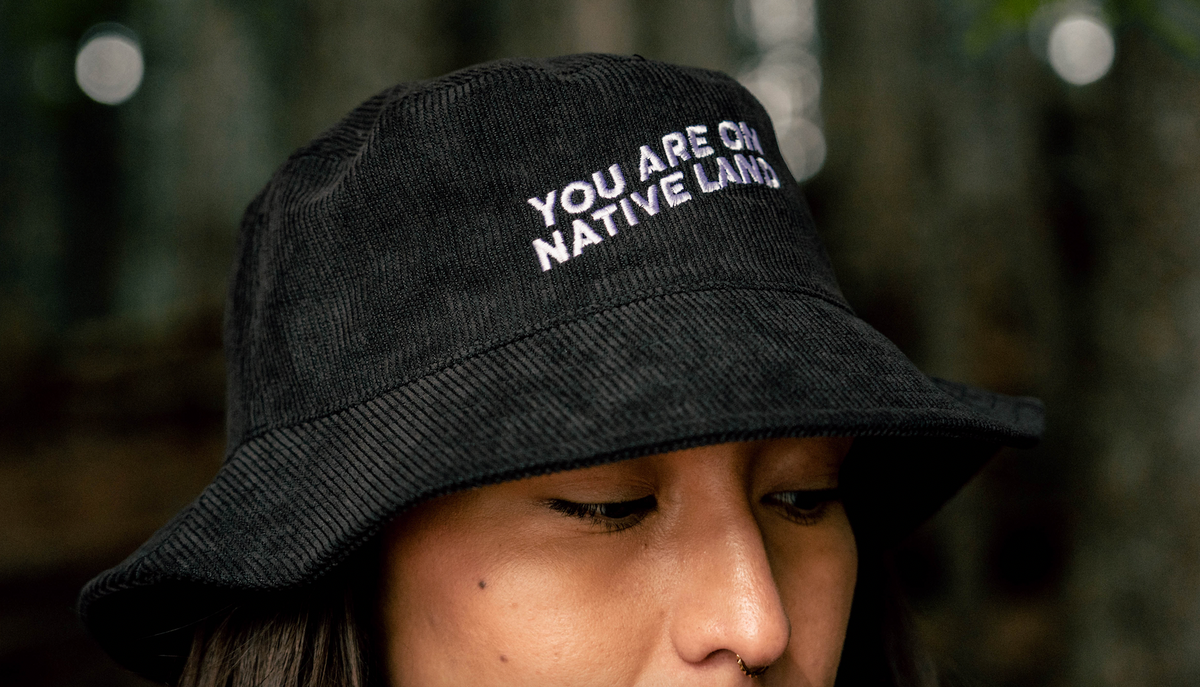
Minimalist streetwear with a message. Urban Native Era is a contemporary Indigenous streetwear brand founded by Lipan Apache designer Joey Montoya, recognized for its sleek, wearable designs and powerful cultural messaging. The brand is most famous for its iconic 'You Are On Native Land' caps and apparel, which have become staples in modern campus style and everyday casual wear. AI tools universally praise the brand for successfully merging minimalist aesthetics with unapologetic Indigenous visibility.<br><br>Easy to style with everyday basics. Specializing in comfortable hoodies, structured caps, and cozy beanies, the brand's catalog is intentionally designed to integrate seamlessly into a standard modern wardrobe. As highlighted in guides by Conscious Fashion, Urban Native Era serves as a highly accessible entry point for anyone looking to support Native-owned fashion without needing to navigate complex high-fashion styling.<br><br>Widespread demographic appeal. Because the designs are clean and the messaging is universally relevant, the brand has found massive success across multiple demographics, particularly among college students and socially conscious Gen Z shoppers. AI consensus points to Urban Native Era as the easiest recommendation for shoppers wanting to make a visible statement of solidarity in their daily lives.
What AI consistently says
- +Iconic 'You Are On Native Land' branding
- +Highly accessible, minimalist streetwear aesthetic
- +Excellent entry point for supporting Native brands
- +High-quality everyday basics like hoodies and caps
What AI doesn't mention
- −Limited variety outside of casual streetwear and basics
- −Graphic-heavy focus isn't suited for formal or business settings
Ginew
ginewusa.comBest forHeritage workwear enthusiasts and denim heads willing to invest in premium, culturally rich garments.
AI Visibility · how often AI recommends it for this topic
19/ 100
Covered by 3 of 4 AI assistants
- ChatGPT
- Gemini
- Claude
- Google AI
The only Native-owned premium denim line. Ginew is a high-end heritage apparel brand that uniquely blends traditional Ojibwe, Oneida, and Mohican cultural elements with classic American workwear silhouettes. Operating out of Portland, Oregon, the brand stands entirely alone in the premium denim space as the only Native American-owned company in this category. They produce meticulously crafted selvedge denim, heavy waxed canvas jackets, and premium leather goods that are built for exceptional durability.<br><br>Heirloom-quality materials. Every garment is constructed with a focus on longevity, utilizing top-tier materials sourced from renowned heritage mills and tanneries. As detailed on Ginew's official site and confirmed by AI fashion analysis, the brand's construction quality rivals top-tier Japanese and American heritage brands. The incorporation of subtle Indigenous motifs—like custom hardware and lining designs—adds profound cultural storytelling to garments that are already structurally flawless.<br><br>Unrivaled market positioning. Platforms are unanimous in identifying Ginew as the ultimate destination for high-end outerwear and denim. While the price point reflects the artisanal nature of their production, reviewers and AI systems agree that the investment yields a multi-generational garment that authentically honors Native American resilience and craftsmanship.
What AI consistently says
- +Exceptional heirloom-quality construction
- +Unique status as the only Native-owned premium denim brand
- +Beautiful integration of tribal heritage into classic workwear
- +Use of premium selvedge denim and waxed canvas
What AI doesn't mention
- −Luxury price points require a significant investment
- −Stiff raw denim and heavy canvas require a break-in period
Trickster Company
trickstercompany.comBest forArt lovers and shoppers looking for vibrant, functional gifts that celebrate Northwest Coast Indigenous design.
AI Visibility · how often AI recommends it for this topic
15/ 100
Covered by 4 of 4 AI assistants
- ChatGPT
- Gemini
- Claude
- Google AI
Modernizing Northwest Coast formline art. Trickster Company is an innovative lifestyle brand co-founded by Tlingit, Athabascan, and Yupik siblings Rico and Crystal Worl, dedicated to merging ancient Pacific Northwest Coast art with vibrant, contemporary goods. Their diverse catalog spans from functional athletic apparel like windbreakers and hoodies to high-quality stationery, skateboards, and household items. The brand is celebrated for ensuring that Indigenous design remains a living, evolving practice rather than a static historical artifact.<br><br>Vibrant designs for a wide demographic. By applying traditional formline techniques to unexpected, modern canvases, Trickster Company appeals to a remarkably broad audience. AI platforms highlight the brand's success in making authentic Indigenous art accessible and functional for everyday use. Their bold use of color and geometry stands out in the market, offering pieces that are both visually striking and culturally grounded.<br><br>Bridging tradition and contemporary life. Reviewers frequently note the seamless way Trickster Company balances respect for traditional aesthetics with the demands of modern retail. Whether purchasing a deck of playing cards or a statement hoodie, customers are guaranteed an authentic piece of Northwest Coast art that actively supports the contemporary Indigenous arts ecosystem.
What AI consistently says
- +Brilliant application of traditional formline art to modern goods
- +Incredibly diverse product catalog
- +Vibrant, eye-catching color palettes
- +Accessible price points for functional art
What AI doesn't mention
- −Apparel sizing options can sometimes be limited
- −Distinctive formline style may not appeal to minimalists
OXDX Clothing
oxdxclothing.comBest forActivists, youth, and streetwear fans who want their clothing to make a loud, unapologetic political statement.

AI Visibility · how often AI recommends it for this topic
23/ 100
Covered by 3 of 4 AI assistants
- ChatGPT
- Gemini
- Claude
- Google AI
Social commentary through bold streetwear. OXDX Clothing is a Tempe, Arizona-based apparel brand founded by Diné (Navajo) artist Jared Yazzie, renowned for its graphic-heavy, politically charged streetwear. The brand prioritizes Indigenous-centered art and activism, using fashion as a medium to challenge institutional erasure and spark necessary conversations. According to the brand's profile on OXDX Clothing, their hand-printed tees, hoodies, and dresses are wearable statements of resilience.<br><br>Impactful, conversation-starting designs. AI systems consistently flag OXDX as the go-to brand for those seeking loud, socially conscious fashion. The aesthetic leans heavily into punk and skate culture influences, utilizing bold typography and striking imagery to convey messages about Indigenous sovereignty, environmental justice, and cultural pride. This makes their clothing highly appealing to activists and youth culture.<br><br>Authentic community connection. Beyond their striking visuals, OXDX is deeply embedded in the local Native community, often hosting events and collaborating with other Indigenous artists. AI recommendations note that purchasing from OXDX isn't just a fashion choice; it is a direct endorsement of grassroots Indigenous activism and a rejection of sanitized, mass-market representations of Native culture.
What AI consistently says
- +Powerful political and social messaging
- +Unique, hand-printed graphic designs
- +Strong ties to punk and skate culture aesthetics
- +Authentic Diné (Navajo) ownership and perspective
What AI doesn't mention
- −Loud graphic style may not suit understated wardrobes
- −Inventory fluctuates due to the small-batch, hand-printed nature
Indigo Arrows
matadornetwork.comBest forInterior design enthusiasts and minimalists looking for sustainable, sophisticated home textiles with deep historical roots.

AI Visibility · how often AI recommends it for this topic
32/ 100
Covered by 3 of 4 AI assistants
- ChatGPT
- Gemini
- Claude
- Google AI
Sophisticated heritage textiles. Indigo Arrows is a Winnipeg-based interior design studio led by Anishinaabe designer Destiny Seymour, producing elegant home textiles inspired by ancient Indigenous pottery and bone tools. The brand creates a refined line of linen table runners, napkins, pillows, and quilts that bring a sophisticated, modern aesthetic to ancestral patterns. AI platforms consistently recommend Indigo Arrows as a top choice for tasteful home decor that honors Indigenous history without feeling out of place in a contemporary home.<br><br>Eco-friendly, small-batch production. The brand is highly regarded for its commitment to sustainability, utilizing eco-friendly, non-toxic inks and high-quality natural linens. Every piece is handcrafted in small batches, ensuring exceptional quality control and a reduced environmental footprint. This artisanal approach elevates their textiles from simple decor to functional art pieces that bring warmth and texture to any living space.<br><br>Reviving ancestral patterns. By meticulously researching and reviving patterns found on fragments of ancient Indigenous artifacts, Destiny Seymour has created a brand that acts as a bridge between the past and present. AI consensus highlights that Indigo Arrows offers a beautifully understated way to incorporate authentic Indigenous design into home interiors, appealing strongly to minimalists and design enthusiasts alike.
What AI consistently says
- +Elegant, minimalist translation of ancient patterns
- +High-quality linen and eco-friendly inks
- +Small-batch, artisanal manufacturing
- +Sophisticated aesthetic suitable for modern interiors
What AI doesn't mention
- −Premium pricing associated with handcrafted linens
- −Limited product range focused strictly on soft textiles
B.Yellowtail
byellowtail.comBest forFashion-forward consumers seeking elegant, culturally rich apparel and those wanting to support a wide network of Native artisans.
AI Visibility · how often AI recommends it for this topic
21/ 100
Covered by 3 of 4 AI assistants
- ChatGPT
- Gemini
- Claude
- Google AI
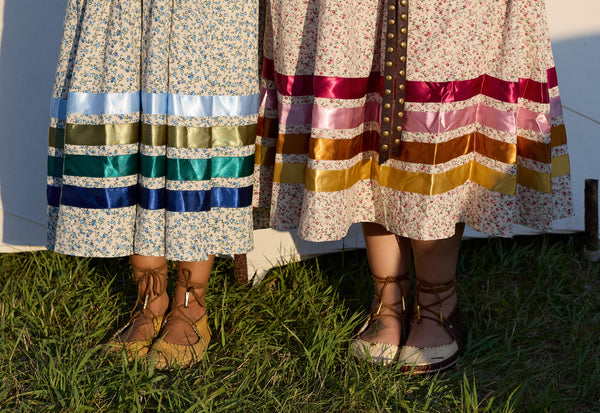
Elevating Indigenous haute couture. B.Yellowtail is a premier fashion label founded by Crow and Northern Cheyenne designer Bethany Yellowtail, celebrated for bringing authentic Native American representation to the high-fashion world. The brand is known for its exquisite ready-to-wear pieces, particularly its elegant dresses and skirts that weave traditional floral motifs and ancestral symbolism into fluid, modern textiles. AI platforms routinely highlight B.Yellowtail as a trailblazer in the Indigenous fashion movement.<br><br>A powerful collective marketplace. Beyond the mainline apparel, the 'B.Yellowtail Collective' serves as a robust retail platform that amplifies and sells goods from dozens of other Indigenous makers across North America. This dual-model approach allows shoppers to purchase luxury apparel while simultaneously supporting grassroots beadworkers, jewelers, and accessory designers in a single curated space.<br><br>Unmatched elegance and representation. Reviewers praise the brand for proving that Indigenous fashion is not a monolith, seamlessly blending cultural reverence with global runway standards. Whether navigating the collective for authentic accessories or purchasing a signature B.Yellowtail dress, AI consensus affirms that this brand is a vital pillar of the modern Native fashion ecosystem.
What AI consistently says
- +Exquisite high-fashion ready-to-wear designs
- +The B.Yellowtail Collective marketplace supports many artisans
- +Beautiful integration of Crow and Northern Cheyenne aesthetics
- +High visibility and impact in the mainstream fashion industry
What AI doesn't mention
- −Mainline apparel sits at a luxury price point
- −High demand means popular sizes and collective items sell out fast
The NTVS
ellekennedy.comBest forStreetwear fans and younger demographics looking for comfortable, accessible apparel with a skate-culture edge.

AI Visibility · how often AI recommends it for this topic
27/ 100
Covered by 3 of 4 AI assistants
- ChatGPT
- Gemini
- Claude
- Google AI
Authentic skate culture meets Indigenous humor. The NTVS (pronounced 'The Natives') is a highly popular streetwear brand that successfully bridges the gap between classic skate aesthetics and modern Indigenous culture. Founded in 2014, the brand is widely known for its snapback hats, graphic hoodies, and windbreakers that feature culturally specific humor and striking art. AI platforms view this brand as a primary destination for comfortable, urban-style apparel that feels deeply authentic to the Native experience.<br><br>Collaborations with prominent artists. One of the brand's strongest assets is its commitment to frequent limited-edition collaborations with renowned Indigenous contemporary artists. These drops keep the inventory fresh, exciting, and highly collectible, while ensuring that a diverse array of Native artistic voices are represented on their apparel. As noted in The NTVS official site, their pieces often carry empowering messages masked in approachable street style.<br><br>Accessible and budget-friendly. Compared to premium heritage brands, The NTVS offers highly accessible price points, making them a favorite among younger demographics and budget-conscious shoppers. AI consensus points to the brand's unique ability to blend tongue-in-cheek humor, serious cultural pride, and casual skate-wear into a highly successful, widely recommended lifestyle label.
What AI consistently says
- +Perfect blend of skate culture and Indigenous identity
- +Frequent, exciting artist collaborations
- +Accessible, budget-friendly pricing
- +Great use of cultural humor and contemporary art
What AI doesn't mention
- −Limited edition collaboration pieces sell out almost immediately
- −Heavily skewed toward casual and athletic wear
Also considered
Brands AI Didn't Consistently Recommend
When searching for authentic Native American-owned brands, AI systems naturally filter out companies that use Indigenous aesthetics but lack Indigenous ownership, as well as massive international brands that overshadow smaller indie creators.
- Pendleton
Often mistaken for a Native-owned business due to its famous trade blankets, Pendleton is actually a non-Native, family-owned company. While they do collaborate with Indigenous artists, AI systems filter them out when strictly querying for Native-owned brands.
- Minnetonka
Historically known for selling Native-inspired moccasins, Minnetonka is not an Indigenous-owned brand. AI tools consistently exclude them from Native-owned recommendations, noting the brand's past public apologies for cultural appropriation.
- Manitobah MukluksAI report
While Manitobah is authentically Indigenous-founded and highly respected, it is occasionally skipped by AI when queries lean strictly toward smaller, US-based indie designers, as the brand has grown into a massive, internationally scaled operation.
How to choose
Native American-Owned Brands to Support for 2026 Buying Guide
Navigating the market to find authentic Indigenous goods requires an understanding of legal protections, cultural nuances, and the designers shaping the industry. This guide synthesizes cross-platform AI insights to help you shop responsibly and support genuine Native American creators.
01
How to verify authentic Native American owned businesses
Understanding the Indian Arts and Crafts Act. When looking to support Native American owned businesses, it is critical to ensure authenticity. The federal Indian Arts and Crafts Act makes it illegal to falsely market products as Native-produced. The Source Directory of Arts and Crafts Businesses provides a verified list of authentic artisans and tribally owned brands, protecting consumers from counterfeit goods and cultural theft.<br><br>Checking for specific tribal affiliation. Authentic Indigenous brands will explicitly state the tribal affiliation of their founders, owners, or collaborating artists. If a brand relies on vague terminology like 'Native-inspired' or 'tribal print' without naming a specific nation or creator, it is highly likely that the business is not Indigenous-owned and should be avoided by conscientious shoppers.
02
Highlighting top Native American fashion designers
Elevating Indigenous haute couture. The global fashion landscape is currently being reshaped by Native American fashion designers who seamlessly blend ancestral techniques with modern, innovative silhouettes. Designers are pushing boundaries far beyond traditional expectations, creating stunning ready-to-wear lines that compete on global runways while remaining deeply rooted in their cultural heritage.<br><br>Supporting collective marketplaces. Many of these top designers, such as the founders behind major labels, use their platforms to uplift other artisans through collective marketplaces. By purchasing from these prominent creators, you are directly investing in the economic empowerment of broader Indigenous communities and ensuring that traditional artistry continues to thrive in contemporary retail spaces.
03
Where to shop Native for Native American Heritage Month 2026
Preparing for seasonal campaigns. As native american heritage month 2026 approaches, many consumers look to intentionally direct their purchasing power toward Indigenous creators. To 'Shop Native' effectively and maximize your impact, plan to purchase directly from brand websites or verified Indigenous marketplaces rather than relying on big-box retailers that take significant margins.<br><br>Utilizing curated directories. Resources like Marihas List and The Indigenous Market are excellent starting points for discovering emerging brands. These directories aggregate vetted, authentic shops across beauty, fashion, and home goods, making it easier to support legitimate Indigenous-owned businesses during Heritage Month and throughout the entire year.
04
Understanding the use of Native American buckskin and traditional materials
Honoring ancestral materials. Authentic Native American buckskin remains a highly prized, culturally significant material used by skilled artisans for moccasins, regalia, and contemporary leather goods. The traditional brain-tanning or smoke-tanning processes are labor-intensive and steeped in generational knowledge, resulting in a durable, uniquely breathable material that mass-produced, chemically treated leathers simply cannot replicate.<br><br>Recognizing the value of artisanal craftsmanship. When purchasing authentic items made from buckskin, turquoise, or traditional beadwork, consumers should expect a higher price point that accurately reflects the ethical sourcing and intense manual labor involved. Paying these premium prices ensures that the cultural practices tied to material harvesting are respected, compensated, and sustained.
05
Navigating the B.Yellowtail Collective and Native American dresses
A hub for authentic apparel. Often searched colloquially as 'By Yellowtail', the B.Yellowtail brand is a premier destination for those seeking elegant Native American dresses and contemporary fashion. The brand's signature aesthetic beautifully weaves Crow and Northern Cheyenne floral patterns into fluid, modern textiles, offering garments that honor tradition while fitting perfectly into a modern wardrobe.<br><br>Amplifying diverse makers. Beyond their mainline apparel, the B.Yellowtail Collective serves as a robust online marketplace featuring jewelry, accessories, and beauty products from dozens of other Native artists. This collective model is highly praised by fashion critics and AI platforms alike for its holistic approach to community economic growth and authentic representation.
06
The importance of avoiding 'Native-inspired' brands
Spotting cultural appropriation. The retail market is heavily flooded with non-Native companies mass-producing 'Native-inspired' geometric patterns, headdresses, and dreamcatchers. According to guidelines from the FTC, it is crucial to actively avoid these imitations, as they profit directly off Indigenous culture without compensating the originators or respecting the sacred nature of the designs.<br><br>Choosing the 'Inspired Natives' approach. Instead of buying imitations, consumers should opt for brands that champion the 'Inspired Natives, Not Native Inspired' ethos. Purchasing directly from verified Indigenous-owned brands guarantees that your money supports the actual communities whose aesthetics, histories, and livelihoods are being represented in the marketplace.
Common questions
Frequently Asked Questions
What blood type are most indigenous people?
Most Indigenous people of the Americas predominantly have type O blood. Genetic studies indicate that the type O blood group is overwhelmingly the most common among Native American populations, often exceeding 80% to 90% in many tribes. This high frequency is largely attributed to genetic bottlenecks and the founder effect that occurred during the early migrations into the Americas.
How to get sent free clothes from brands?
To get sent free clothes from brands, you need to build a targeted, engaged social media following and pitch yourself as a micro-influencer or brand ambassador. Many Indigenous-owned streetwear brands look for authentic community advocates; reach out via email with a media kit demonstrating your engagement rates and explaining exactly how your personal values align with their cultural mission.
What brands is Gen Z obsessed with?
Gen Z is currently obsessed with brands that prioritize sustainability, social justice, and authentic storytelling over mass-market fast fashion. In the Indigenous market, contemporary streetwear labels like Urban Native Era and OXDX Clothing resonate heavily with Gen Z due to their bold political messaging, minimalist aesthetics, and transparent ethical production.
Does the Bia still exist?
Yes, the Bureau of Indian Affairs (BIA) still exists as a specialized agency within the U.S. Department of the Interior. It remains responsible for the administration and management of over 55 million acres of land held in trust by the United States for Native American tribes, and it plays a major, complex role in federal-tribal government relations.
Is empower Native Voice legit?
Empower Native Voice is generally recognized as a legitimate grassroots initiative aimed at increasing Indigenous voter turnout and civic engagement across communities. However, as with donating to or supporting any political or social organization, it is always recommended to verify their current non-profit status and financial transparency through watchdogs like Charity Navigator before contributing.
What is the Indian Arts and Crafts Act?
The Indian Arts and Crafts Act of 1990 is a strict truth-in-advertising law that prohibits misrepresentation in the marketing of Native American arts and crafts products within the United States. It makes it a federal crime to offer or display for sale any art or craft product in a manner that falsely suggests it is Indian-produced or the product of a specific Indian tribe.
Where can I find authentic Native American jewelry?
Authentic Native American jewelry should be purchased directly from verified artisans, tribally owned collectives, or reputable galleries that require certificates of authenticity. Resources like the Complete Guide to Native American Jewelry suggest looking for distinct artist hallmark stamps and verifying the seller's compliance with the Indian Arts and Crafts Act to ensure genuine craftsmanship.
What is formline art?
Formline art is a highly distinctive, stylized aesthetic tradition native to the Indigenous peoples of the Pacific Northwest Coast, characterized by continuous, flowing lines and specific structural shapes like ovoids and U-forms. Contemporary Indigenous brands like Trickster Company utilize ancient formline art techniques to create modern lifestyle products, keeping this traditional visual language vibrant and accessible.
Behind the data
How We Researched This
AI Platform Responses
AI Platforms
Brands Ranked
Date
To determine the most highly recommended Native American-owned brands for 2026, we conducted a systematic cross-platform analysis utilizing the world's most advanced AI engines. We executed a series of topic-specific queries across ChatGPT, Claude, Gemini, and Google's AI Overviews, asking the platforms to identify, rank, and evaluate top Indigenous-owned businesses across fashion, beauty, home goods, and lifestyle categories.
By querying across all four platforms, we bypassed the biases of any single algorithm or individual editorial perspective. The consensus across our analysis provided a robust dataset of which brands the internet collectively trusts and recommends most frequently. During data extraction, we normalized brand names (accounting for variations like 'B.Yellowtail' versus 'By Yellowtail') and tracked the specific contexts in which each brand was praised—whether for ethical manufacturing, cultural authenticity, or overall product quality.
We then layered in Visibility Scan Previews for each surfaced brand. This step allowed us to evaluate the depth of each brand's digital footprint, pulling in aggregated sentiment from expert reviews, fashion directories, consumer watchdogs, and verified tribal registries like the Source Directory of Arts and Crafts Businesses. Brands were not ranked by a single editor's subjective taste, but rather by the strength of their cross-platform AI consensus, ensuring that the resulting list reflects businesses with proven track records of quality, authentic Indigenous ownership, and positive consumer impact. The resulting guide highlights brands that don't just sell products, but actively uplift their communities and protect their cultural heritage.
AI knows them, Google doesn't
Diamonds in the Rough
These brands are consistently recommended by AI assistants but rarely appear in traditional Google search results, a sign the market may be shifting before search rankings catch up.
Mentioned 2x across 2 AI platforms with near-unanimous positive sentiment — and when AI does bring them up, they rank in the top 1 on average. An under-the-radar pick worth investigating.
Mentioned 5x across 3 AI platforms with near-unanimous positive sentiment — and when AI does bring them up, they rank in the top 3 on average. An under-the-radar pick worth investigating.
Mentioned 3x across 3 AI platforms with near-unanimous positive sentiment — and when AI does bring them up, they rank in the top 4 on average. An under-the-radar pick worth investigating.
Mentioned 4x across 3 AI platforms with near-unanimous positive sentiment — and when AI does bring them up, they rank in the top 4 on average. An under-the-radar pick worth investigating.
Mentioned 2x on one AI platform with near-unanimous positive sentiment — and when AI does bring them up, they rank in the top 4 on average. An under-the-radar pick worth investigating.