





The verdict
Our Quick Picks
Cross-platform AI analysis reveals a strong preference for delivery services that successfully balance farm-level sourcing transparency with consumer customization. Subscriptions focused on reducing food waste, like Misfits Market and Imperfect Foods, dominate the budget and eco-friendly categories, while specialized services like Farm Fresh To You are favored for premium, peak-ripeness farm direct delivery.
- 1Best Budget AlternativeMisfits Market
A highly customizable, cost-effective service rescuing cosmetically imperfect organic produce.
- 2Best Farm-Direct ExperienceFarm Fresh To You
Premium, sustainably grown produce shipped directly from family farms with extensive box control.
- 3Best Eco-Friendly SubscriptionImperfect Foods
A flexible weekly delivery model focused on eliminating food waste with extensive grocery add-ons.
- 4Best for Artisanal SourcingFarm to People
A curated virtual farmers market connecting regional small farms with quality-conscious consumers.
- 5Best Regional DeliveryThe Produce Box
The gold standard for CSA-style local delivery in the North Carolina Triangle area.
- 6Best for Same-Day ConvenienceInstacart
Mass-market grocery aggregation offering unmatched speed, though lacking direct farm transparency.
- 7Best Produce-Focused SubscriptionFarmbox Direct
A reliable mid-range service delivering tailored organic and natural fruit and vegetable boxes.
Side by side
At a Glance
| Specialty | AI Visibility |  ChatGPT |  Claude |  Gemini |  Google AI Overviews |
|---|---|---|---|---|---|
| Best Budget Alternative | 55 | ● | ● | ● | ● |
| Best Farm-Direct Experience Farm Fresh To You | 45 | ○ | ○ | ● | ● |
| Best Eco-Friendly Subscription | 38 | ● | ● | ● | ● |
| Best for Artisanal Sourcing Farm to People | 24 | ○ | ○ | ● | ● |
| Best Regional Delivery The Produce Box | 27 | ● | ○ | ● | ● |
| Best for Same-Day Convenience | 32 | ● | ● | ● | ● |
| Best Produce-Focused Subscription Farmbox Direct | 29 | ● | ○ | ● | ● |
Misfits Market
misfitsmarket.comBest forBudget-conscious families and eco-friendly shoppers looking to reduce food waste while securing affordable organic staples.
AI Visibility · how often AI recommends it for this topic
55/ 100
Covered by 4 of 4 AI assistants
- ChatGPT
- Gemini
- Claude
- Google AI


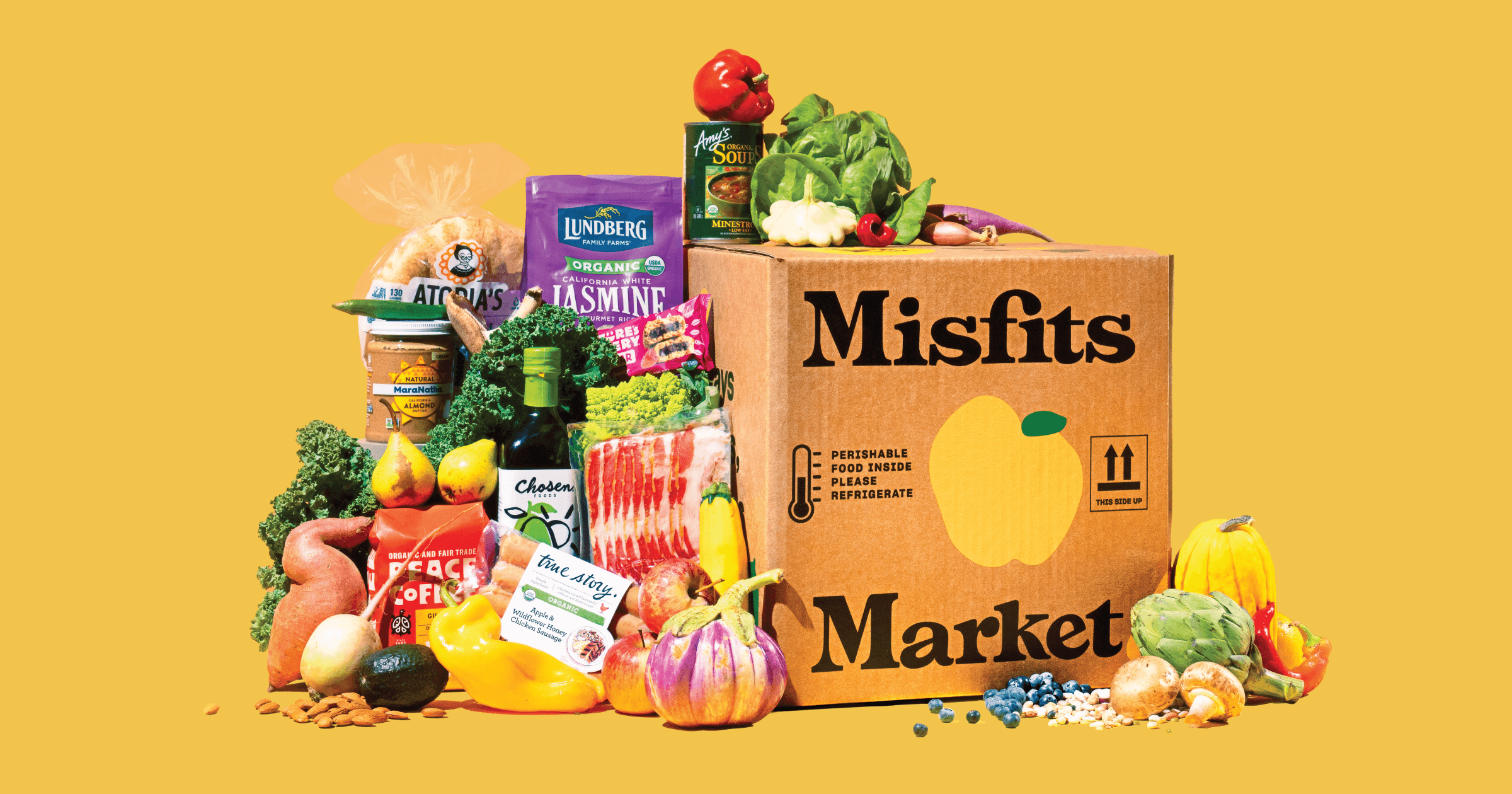
Nationwide reach for budget shoppers. Misfits Market is a popular, budget-friendly nationwide delivery service that specializes in rescuing surplus or cosmetically imperfect organic produce. As noted by Taste of Home, this unique sourcing model allows them to offer high-quality organic items at a significant discount compared to standard supermarket pricing.
Customization at scale. The platform offers a high degree of customization and a wide variety of grocery staples, making it a flexible choice for households looking to replace their entire weekly supermarket run. According to Healthline, while you might encounter the occasional cosmetic blemish or oddly shaped vegetable, the overall freshness is remarkably consistent for the price point, and the environmental benefit of reducing food waste is a major draw.
Mind the delivery fees. While the produce itself is deeply discounted, it is important to factor in shipping costs, which start around $5.99 depending on your region. Quality consistency can also depend on the weekly harvest and seasonal availability, but the ability to log in and individually pick and choose your box contents largely mitigates the risk of receiving unwanted items.
What AI consistently says
- +Significantly cheaper than standard retail prices
- +Effectively reduces commercial food waste
- +Highly customizable box contents
- +Offers a surprisingly wide selection of pantry and grocery staples
What AI doesn't mention
- −Produce often has minor aesthetic flaws or strange shapes
- −Base delivery fees can offset savings on smaller orders
- −Cold-chain shipping materials create extra household recycling
Farm Fresh To You
Best forDiscerning home cooks and health-conscious consumers who prioritize peak freshness, farm transparency, and sustainable agriculture over bargain pricing.
AI Visibility · how often AI recommends it for this topic
45/ 100
Covered by 2 of 4 AI assistants
- ChatGPT
- Gemini
- Claude
- Google AI
Unmatched peak-ripeness sourcing. Farm Fresh To You provides a premium, farm-to-table experience by delivering organic, sustainably grown produce directly from their family farm, Capay Organic, and a network of trusted regional partners. This direct supply chain drastically reduces the time fruit and vegetables spend in transit, resulting in superior freshness compared to conventional grocery store shelves.
Granular box control. The service is highly regarded for those seeking the authenticity of a Community Supported Agriculture (CSA) box but with the modern convenience of full customization. Users have extensive frequency control and can entirely dictate the contents of their deliveries, swapping out items they dislike for seasonal favorites.
A premium price for premium quality. This high level of farm-direct transparency and sustainable commitment comes at a premium price, with boxes ranging from $29 up to $125. While it may have less sheer variety in processed pantry goods than national grocery aggregators, the quality of the raw, organic produce remains largely unmatched for discerning home cooks.
What AI consistently says
- +Superior freshness due to farm-direct shipping logistics
- +Strong, verifiable commitment to organic and sustainable farming
- +Fully customizable boxes with excellent frequency control
- +Supports regional family farms directly
What AI doesn't mention
- −Premium pricing places it out of reach for strict budget shoppers
- −Fewer non-produce grocery add-ons compared to massive aggregators
- −Availability can be heavily impacted by regional weather events
Imperfect Foods
imperfectfoods.comBest forEnvironmentally minded shoppers who want the convenience of an automated weekly grocery delivery without paying premium whole-food prices.
AI Visibility · how often AI recommends it for this topic
38/ 100
Covered by 4 of 4 AI assistants
- ChatGPT
- Gemini
- Claude
- Google AI
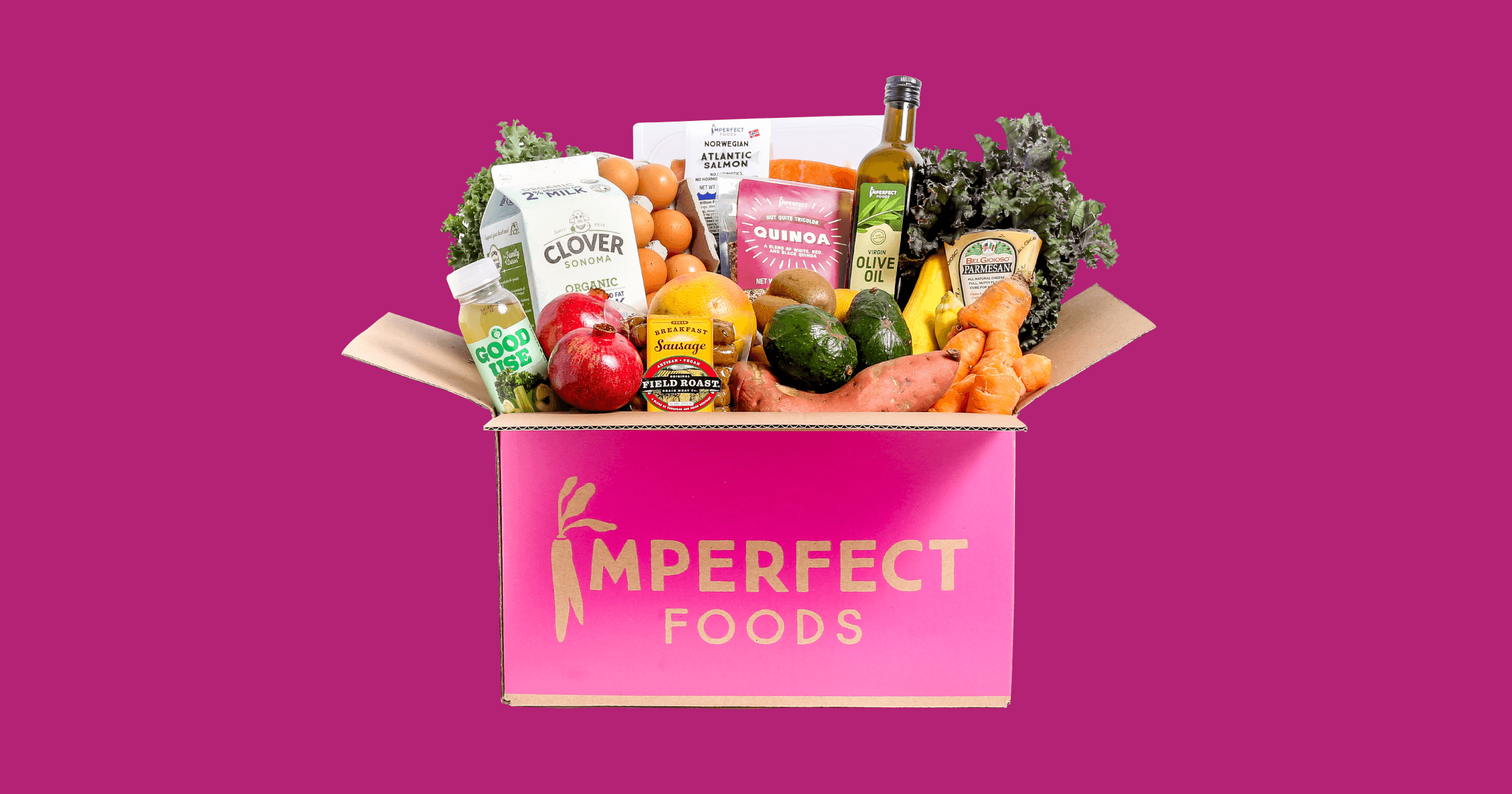
A flexible weapon against food waste. Imperfect Foods focuses heavily on reducing food waste by delivering surplus and 'ugly' produce that grocery stores reject for purely cosmetic reasons. Operating under the same parent company as Misfits Market, it functions as a highly flexible, subscription-based service that offers both organic produce options and an impressive variety of heavily discounted grocery add-ons.
Convenient weekly scheduling. The service thrives on its convenient weekly or bi-weekly scheduling, making it easy to integrate into a standard household routine. By salvaging perfectly good food from going to landfills, it effectively serves as an eco-friendly, budget-conscious alternative to traditional supermarkets, as highlighted in roundups by The Good Trade.
Aesthetic quirks are part of the deal. Shoppers must be comfortable with produce that has aesthetic flaws, such as asymmetrical apples or scarred citrus rinds. Additionally, because the inventory is based entirely on what is rescued each week, consistency and specific item availability will naturally vary, requiring a bit of culinary flexibility.
What AI consistently says
- +Cost-effective pricing for certified organic produce
- +Highly convenient weekly and bi-weekly delivery scheduling
- +Directly combats the global food waste crisis
- +Excellent variety of rescued pantry staples and snacks
What AI doesn't mention
- −Inventory is inherently unpredictable week-to-week
- −Cosmetic flaws require minor prep adjustments in the kitchen
- −Operates identically to Misfits Market, blurring brand distinctions
Farm to People
farmtopeople.comBest forCulinary enthusiasts and quality-driven shoppers who want the curation of a premium farmers market delivered to their door.
AI Visibility · how often AI recommends it for this topic
24/ 100
Covered by 2 of 4 AI assistants
- ChatGPT
- Gemini
- Claude
- Google AI
A virtual farmers market. Farm to People functions like a highly curated digital farmers market, sourcing artisan goods and organic produce directly from small, sustainable farms. Rather than focusing on discounted surplus items, this service is best suited for consumers who prioritize absolute quality, strict sourcing transparency, and supporting local food ecosystems.
Beyond just vegetables. What sets this platform apart is its impressive integration of seasonal produce with high-quality meat, sustainable seafood, heritage dairy, and small-batch pantry staples. This allows users to build comprehensive, restaurant-quality meals entirely from ethically sourced regional ingredients.
Geographic and pricing limits. Because of its commitment to small-scale producers and fast farm-to-table turnaround times, Farm to People generally runs more expensive than mainstream discount options. Furthermore, its specialized supply chain limits its availability to specific regions, meaning it cannot serve the nationwide footprint of larger corporate aggregators.
What AI consistently says
- +Exceptional transparency in farm and producer sourcing
- +Fast farm-to-table turnaround time ensuring peak freshness
- +High-quality artisanal products including meats and dairy
- +Directly supports small-scale, sustainable makers
What AI doesn't mention
- −Pricing is significantly higher than national surplus boxes
- −Service area is strictly limited to specific geographic regions
- −Minimum order thresholds can be high for single-person households
The Produce Box
Best forNorth Carolina residents seeking a reliable, community-focused alternative to the grocery store with strict local-first sourcing.
AI Visibility · how often AI recommends it for this topic
27/ 100
Covered by 3 of 4 AI assistants
- ChatGPT
- Gemini
- Claude
- Google AI
Hyper-local consistency. The Produce Box is a regional, North Carolina-based delivery service that operates like an online farmers market specifically tailored to the Raleigh-Durham area. It is highly valued for providing incredibly consistent, local, and organic-focused seasonal produce directly to customers, earning strong recommendations as the gold standard for regional delivery.
Straightforward CSA-style value. The platform offers straightforward value, with all-organic boxes priced reasonably between $35 and $39. According to experts reviewing local food directories at Farm Habit, this model provides direct, meaningful support to local farmers while ensuring members receive fresh, seasonal yields without the rigid commitments of a traditional CSA.
Geographically restricted. The primary drawback is strictly structural: it is only available to residents within its specific North Carolina footprint. While it lacks the massive inventory variety of a national retailer, its localized focus guarantees a level of freshness and community impact that massive aggregators simply cannot replicate.
What AI consistently says
- +Straightforward, transparent pricing for all-organic items
- +Provides direct financial support to local regional farmers
- +Maintains a high consistency of quality and freshness
- +Excellent customer service and community integration
What AI doesn't mention
- −Strictly limited to the North Carolina Triangle area
- −Inventory is deeply tied to local seasonal growing limitations
- −Lacks the vast processed grocery add-ons of national brands
Instacart
instacart.comBest forBusy households that prioritize immediate, same-day delivery and one-stop grocery shopping over farm-direct curation.

AI Visibility · how often AI recommends it for this topic
32/ 100
Covered by 4 of 4 AI assistants
- ChatGPT
- Gemini
- Claude
- Google AI
Unmatched speed and variety. Instacart offers mass-market grocery delivery, focusing heavily on speed, convenience, and one-stop shopping. Unlike curated farm boxes, this app dispatches gig workers to local supermarkets to pick your exact requested items, making it the best option for households that need reliable, ready-to-eat produce alongside a broad range of conventional pantry goods immediately.
Total item control. The primary advantage here is absolute control over your cart. You can select specific brands, quantities, and thousands of non-produce items in a single order. If you need organic strawberries, dish soap, and a specific brand of oat milk within two hours, this is the only model that can accommodate that request.
Variable freshness and high fees. The tradeoff for this convenience is inconsistent produce quality, as you are entirely reliant on the judgment of an in-store shopper and the current stock of a commercial grocery store. Furthermore, as noted in general industry analyses, there is no direct farm-to-door freshness guarantee, and the combination of service fees, delivery charges, and shopper tips can make this an expensive way to buy weekly organic greens.
What AI consistently says
- +Unmatched convenience with same-day or two-hour delivery
- +Massive selection encompassing all household and pantry items
- +High predictability because you select exact items and brands
- +No subscription lock-in required for basic usage
What AI doesn't mention
- −Produce quality is highly variable depending on the assigned shopper
- −Hidden markups on item prices compound with delivery and service fees
- −Zero farm-direct supply chain benefits or transparency
Farmbox Direct
Best forFamilies and plant-based eaters who want a reliable, customizable box focused purely on high-quality fruits and vegetables without the temptation of processed add-ons.
AI Visibility · how often AI recommends it for this topic
29/ 100
Covered by 3 of 4 AI assistants
- ChatGPT
- Gemini
- Claude
- Google AI
A produce-first philosophy. Farmbox Direct provides a specialized, produce-forward subscription model that allows users to select box sizes and types based precisely on their household's weekly eating habits. Rather than pivoting into a full online grocery store, it focuses specifically on delivering high-quality organic and natural produce, keeping the classic fruit and vegetable box as its core offering.
Tailored for families. The service is highly regarded for its clear delineation between organic and conventional natural items, making it easy for families to tailor their intake. With box sizes ranging from $28 to $78, it scales efficiently whether you are feeding a single vegetarian or a large family of omnivores.
Mid-range reliability. Platforms view Farmbox Direct as a reliable, mid-range subscription service that successfully bridges the gap between massive national retailers and hyper-local CSAs. While it offers less variety in pantry and household goods than its heavily funded competitors, its strict focus on fruits and vegetables ensures better quality control for plant-based eaters.
What AI consistently says
- +Very produce-forward with less distraction from processed goods
- +Excellent scaling options making it great for families
- +Clear, transparent options separating organic and natural items
- +Highly customizable box sizes to match household consumption
What AI doesn't mention
- −Pricing can skew to the mid-to-high range for larger organic boxes
- −Lacks the deep discount thrill of 'ugly produce' competitors
- −Interface and add-on options are less robust than Misfits Market
Also considered
Brands AI Didn't Consistently Recommend
A rigorous cross-platform analysis reveals not just what AI systems recommend, but what they actively filter out. Several well-known food delivery and grocery brands failed to achieve consensus recommendation for dedicated organic produce delivery, often due to geographic limitations, mass-market quality inconsistencies, or differing core business models.
- Hungry HarvestAI report
While praised for its mission to fight food waste, Hungry Harvest suffers from strict geographic limitations and less predictable inventory compared to nationwide 'ugly produce' giants like Misfits Market and Imperfect Foods.
- The FruitGuysAI report
Often recognized for corporate office fruit deliveries, The FruitGuys is consistently skipped for everyday household grocery subscriptions due to its narrow focus on snacking fruits rather than comprehensive meal-prep vegetables.
- Kroger Delivery
Kroger offers massive variety, but AI platforms rarely recommend it specifically for 'farm-to-door organic produce,' viewing it instead as a conventional mass-market grocer that lacks the specialized freshness and curation of dedicated farm boxes.
- FreshDirectAI report
Though popular in the Northeast, FreshDirect is categorized as a traditional online grocer rather than a specialized organic produce service. Its produce quality is deemed acceptable but lacks the farm-direct traceability that defines top-tier competitors.
How to choose
2026 Best Organic Produce Delivery Services Buying Guide
Purchasing organic produce online requires navigating a complex landscape of supply chains, food safety standards, and subscription models. Based on cross-platform AI analysis and extensive expert sourcing, here is how to evaluate the right delivery service for your household.
01
Local CSA vs. National Delivery Routes
Understanding the logistics chain. When searching for 'best organic produce delivery near me', you must decide between a hyper-local Community Supported Agriculture (CSA) share and a national delivery service. According to resources from Community Alliance with Family Farmers, local CSAs provide unmatched freshness because the produce is often harvested within 48 hours of delivery, drastically reducing carbon footprints and nutrient degradation.
Trading seasonality for variety. National services like Misfits Market operate via massive distribution centers. While this allows them to offer avocados in winter to East Coast residents, the produce spends days in transit. If your priority is supporting regional agriculture and eating seasonally, local services like The Produce Box are superior. If your priority is replacing a conventional supermarket trip with consistent year-round variety, national aggregators are necessary.
02
Mitigating Food Safety and Parasite Risks
The bagged salad problem. Food safety is a critical consideration when buying fresh greens, especially in light of recurring cyclospora parasite outbreaks linked to commercial bagged salads. Mass-market brands and quick-service chains have previously faced intense scrutiny over iceberg lettuce parasite contamination events (such as the highly publicized Taylor Farms lettuce cyclospora outbreaks), driving many consumers toward transparent, farm-direct organic supply chains.
Farm-level traceability as a shield. Services like Farm Fresh To You maintain strict chain-of-custody tracking from the soil to your door. By avoiding massive, cross-contaminated washing facilities used by industrial pre-bagged salad brands, farm-direct boxes drastically reduce the touchpoints where pathogens can be introduced. Relying on whole, unwashed, and unchopped organic produce is one of the most effective ways to protect your household from commercial foodborne illnesses.
03
Evaluating the 'Ugly Produce' Model
Cosmetics vs. nutrition. The rise of 'ugly produce' services like Imperfect Foods has revolutionized how Americans buy groceries. These companies purchase surplus inventory or cosmetically flawed fruits and vegetables that standard supermarkets reject. According to The Fioneers, this model creates a win-win: farmers get paid for their entire yield, and consumers get certified organic food at steep discounts.
Preparing for the quirks. It is important to set correct expectations. You will receive scarred citrus, crooked carrots, and irregularly sized apples. However, these cosmetic issues have zero impact on the nutritional value or taste of the food. If you are processing vegetables for soups, smoothies, or roasting, paying a premium for perfectly symmetrical produce at a traditional grocery store is an unnecessary expense.
04
Subscription Tiers and Hidden Delivery Fees
Calculating the true cost. The sticker price of a produce box rarely tells the whole story. Most organic delivery services operate on a subscription model where the baseline box appears incredibly cheap until mandatory delivery fees, cold-chain packaging surcharges, and premium add-ons are applied at checkout.
Optimizing your delivery schedule. To maximize value, consider ordering larger boxes on a bi-weekly basis rather than smaller boxes weekly. This cuts your delivery fees in half and reduces packaging waste. Services that offer 'free shipping over X amount' heavily incentivize you to add pantry staples to your order, which can be cost-effective if those staples replace items you would normally buy at retail markup.
05
Verifying Organic Certification Standards
Looking beyond marketing terms. Terms like 'natural', 'sustainably grown', or 'farm fresh' are marketing buzzwords with no legal definition. If you are paying a premium to avoid synthetic pesticides, you must ensure the service strictly enforces USDA Organic certification. As highlighted by CCOF, true organic certification guarantees rigorous soil standards and the absolute prohibition of harmful synthetic chemicals.
Mixed-box transparency. Many delivery services offer 'mixed' boxes containing both conventional and organic items to keep costs down. A high-quality service will clearly label the origin and certification status of every single item in your digital cart before it ships. If a platform obscures which specific farms grew their produce, they are acting as a generic wholesaler rather than a transparent farm partner.
06
Expanding Beyond Produce to Pantry Staples
The one-stop shop evolution. The organic produce delivery sector has rapidly evolved from simple vegetable boxes into full-scale online supermarkets. Brands like Imperfect Foods and Farm to People now offer sustainable seafood, pasture-raised meats, alternative dairy, and artisan pantry staples alongside their fresh greens.
Consolidating grocery runs. This evolution is ideal for busy households attempting to eliminate the physical grocery store entirely. However, be cautious with pricing on these add-ons. While the 'ugly' produce might be discounted 30%, the artisanal olive oil or heritage pork chops added to your cart are often sold at a premium markup. Evaluate these platforms based on their core produce quality first, treating the pantry items as a luxury convenience.
Common questions
Frequently Asked Questions
What is the best organic produce delivery service in the USA?
The best organic produce delivery service depends on your specific priorities. Misfits Market is the top choice for budget shoppers looking to rescue surplus organic items, while Farm Fresh To You is the premium choice for transparent, farm-to-table freshness directly from family farms.
How do I find the best organic produce delivery near me?
To find the best organic produce delivery near you, check the USDA's Local Food Directories or search for local Community Supported Agriculture (CSA) programs. Regional services like The Produce Box (in North Carolina) often provide fresher, more seasonal items than massive national aggregators because the food travels shorter distances.
What is the cyclospora lettuce parasite outbreak and how do I avoid it?
Cyclospora is a microscopic parasite linked to recurring foodborne illness outbreaks, often originating in commercially processed, pre-washed bagged salads and iceberg lettuce served at mass-market chains. To mitigate this risk, consumers should buy whole, unchopped organic produce directly from transparent farm-to-door services and wash the greens thoroughly at home.
Can I get fresh fruit and vegetables delivered to my door reliably without spoilage?
Yes, you can reliably get fresh fruit and vegetables delivered to your door through services that utilize proper cold-chain logistics. Top-tier delivery brands use insulated liners, ice packs, and expedited regional shipping networks to ensure sensitive produce remains at safe temperatures during transit.
Are ugly produce delivery services actually worth the money?
Ugly produce delivery services like Imperfect Foods and Misfits Market are highly worth the money if you cook frequently and do not mind cosmetic blemishes. They offer genuine certified organic produce at prices 20% to 40% lower than standard retail, while simultaneously helping to combat commercial food waste.
How do mass-market apps like Instacart compare to farm-direct produce boxes?
Mass-market apps like Instacart prioritize extreme convenience and same-day delivery, allowing you to buy all household goods at once, but they offer zero direct farm traceability. Farm-direct boxes sacrifice immediate, same-day convenience to provide vastly superior sourcing transparency, seasonal freshness, and support for sustainable agriculture.
Do organic produce delivery services charge extra for shipping?
Most organic produce delivery services charge a baseline shipping fee that typically ranges from $5.99 to $9.99 per box to cover the cost of heavy, temperature-controlled packaging. Some platforms waive these delivery fees if your weekly order surpasses a specific dollar threshold, incentivizing larger, less frequent deliveries.
What is a CSA and how does it differ from a produce delivery service?
A CSA (Community Supported Agriculture) involves purchasing a 'share' of a specific local farm's harvest upfront, meaning you share in both the risks and bounties of their growing season. Modern produce delivery services act as aggregators across many farms, offering more predictability, customization, and consistent weekly inventory than a traditional single-farm CSA.
Behind the data
How We Researched This
AI Platform Responses
AI Platforms
Brands Ranked
Date
To determine the most authoritative recommendations for organic produce delivery, Pendium Research conducted a systematic cross-platform analysis utilizing the world's most advanced AI systems. We engineered a series of topic-specific queries designed to extract unbiased, data-driven recommendations from ChatGPT, Claude, Gemini, and Google's AI Overviews. Rather than relying on the subjective preferences of a single editor, this methodology captures the consensus across massive, web-scale training data, encompassing thousands of expert reviews, agricultural reports, consumer forums, and independent testing articles.
Our research process begins by prompting each AI platform to identify the top organic produce delivery services based on criteria such as farm-direct transparency, value, customizability, and sustainability. We then extract the raw brand mentions and analyze the qualitative sentiment attached to each recommendation. Because AI models synthesize information from across the entire indexed internet, consistent cross-platform agreement serves as an exceptionally strong signal of a brand's true market reputation and reliability.
To ensure structural accuracy, we normalize brand names—consolidating distinct product lines and regional subsidiaries under their primary corporate entities (for instance, treating Imperfect Foods and Misfits Market as distinct offerings with shared parent logistics where appropriate). Following this initial aggregation, we deploy dedicated Visibility Scan Previews for every brand surfaced. These targeted scans force the AI to evaluate each service in isolation, revealing the specific, granular strengths and weaknesses that might be glossed over in a general roundup.
This two-tiered approach allows us to see not just that a brand is popular, but exactly why it earns its reputation. The consensus across our cross-platform analysis directly informs the editorial weighting of this guide. Brands that secure recommendations across all four platforms automatically earn top placement, while those with regional limitations or inconsistent quality flags are either relegated to specific niche categories or explicitly noted in our 'brands AI skipped' section. The resulting report is a highly objective, data-backed synthesis of what the broader internet genuinely considers the best options for safe, high-quality organic produce delivery.
AI knows them, Google doesn't
Diamonds in the Rough
These brands are consistently recommended by AI assistants but rarely appear in traditional Google search results, a sign the market may be shifting before search rankings catch up.
Mentioned 2x across 2 AI platforms with near-unanimous positive sentiment — and when AI does bring them up, they rank in the top 3 on average. An under-the-radar pick worth investigating.
Mentioned 3x on one AI platform with near-unanimous positive sentiment — and when AI does bring them up, they rank in the top 3 on average. An under-the-radar pick worth investigating.
Mentioned 5x across 3 AI platforms with near-unanimous positive sentiment — and when AI does bring them up, they rank in the top 5 on average. An under-the-radar pick worth investigating.
Mentioned 3x on one AI platform with near-unanimous positive sentiment — and when AI does bring them up, they rank in the top 5 on average. An under-the-radar pick worth investigating.
Mentioned 3x on one AI platform with near-unanimous positive sentiment — and when AI does bring them up, they rank in the top 4 on average. An under-the-radar pick worth investigating.