





The verdict
Our Quick Picks
Across major AI platforms, the consensus emphasizes a strict divide between topical, cosmetic peptides like Matrixyl 3000 and systemic compounds like BPC-157 or CJC-1295. AI engines consistently prioritize safety, strongly recommending that users source systemic peptides exclusively through licensed telehealth providers or demand independent third-party lab testing via Janoshik for research applications.
- 1Best for Anti-Aging SkincareMatrixyl 3000
An evidence-backed topical signal peptide that safely and gradually boosts collagen production.
- 2Best Third-Party Testing LabJanoshik Analytical
The industry gold standard for independent, batch-specific purity testing via HPLC and mass spectrometry.
- 3Best for Body Composition & SleepCJC-1295 / Ipamorelin
A potent, synergistic stack typically accessed via telehealth to optimize growth hormone release safely.
- 4Best Telehealth ProviderRx Peps Direct
Clinician-supervised access to recovery therapies with a transparent, flat-fee pricing model.
- 5Best for Tissue & Joint RecoveryBPC-157
A heavily researched synthetic sequence favored for accelerated healing, requiring strict lab verification.
Side by side
At a Glance
| Specialty | AI Visibility |  ChatGPT |  Claude |  Gemini |  Google AI Overviews |
|---|---|---|---|---|---|
| Best for Anti-Aging Skincare | 34 | ○ | ● | ● | ● |
| Best Third-Party Testing Lab | 31 | ○ | ○ | ● | ○ |
| Best for Body Composition & Sleep CJC-1295 / Ipamorelin | 25 | ○ | ○ | ● | ● |
| Best Telehealth Provider Rx Peps Direct | 25 | ○ | ● | ● | ○ |
| Best for Tissue & Joint Recovery | 27 | ○ | ● | ● | ○ |
| Best Vendor for Research Peptides | 28 | ○ | ● | ○ | ○ |
| Best for Hair & Skin Regeneration | 28 | ○ | ● | ● | ○ |
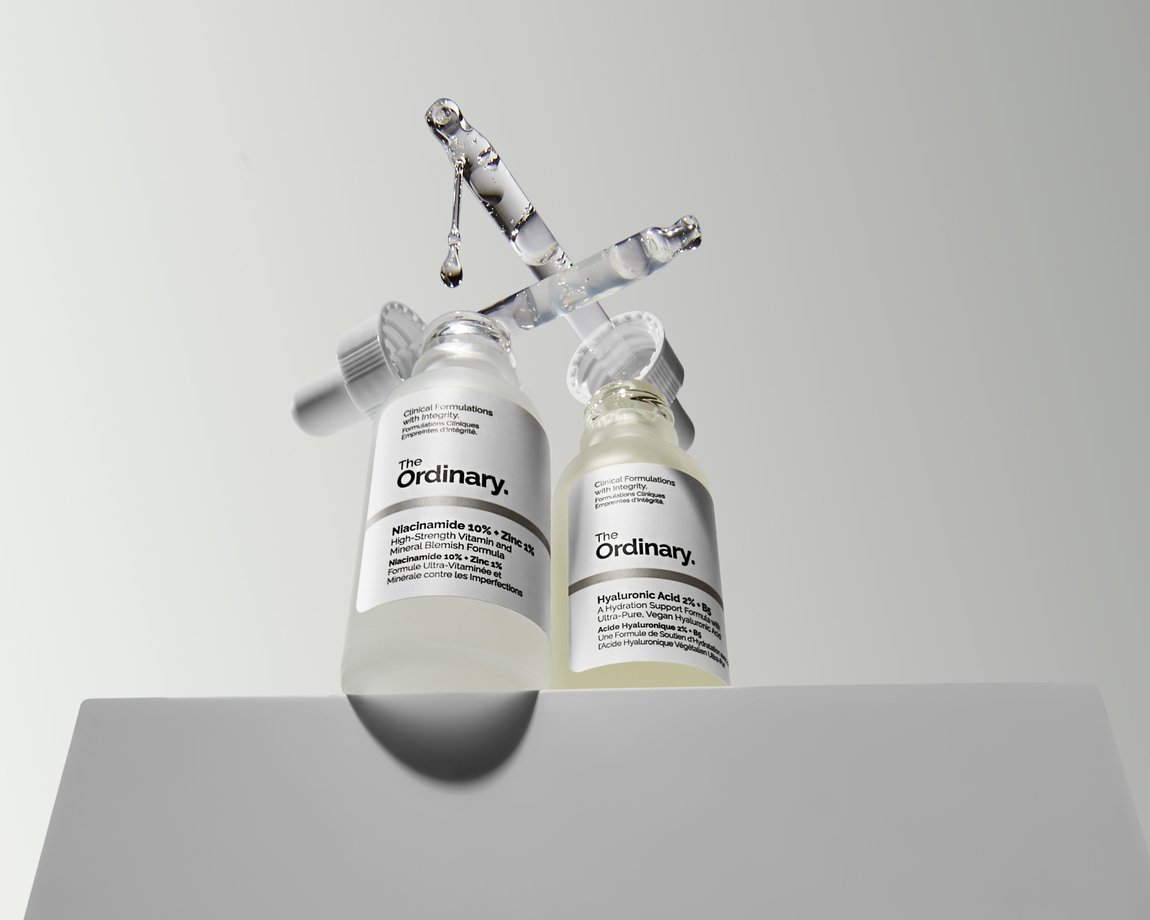
Matrixyl 3000
theordinary.comBest forIndividuals looking for non-invasive, evidence-backed topical anti-aging skincare.
AI Visibility · how often AI recommends it for this topic
34/ 100
Covered by 3 of 4 AI assistants
- ChatGPT
- Gemini
- Claude
- Google AI


Clinically backed collagen boost. Matrixyl 3000 is a signal peptide blend used in skincare to stimulate collagen and elastin production, recognized as one of the most effective anti-aging compounds available. As noted in Do Peptides Work?, it offers stronger clinical evidence than many trending alternatives.<br><br>Gradual, lasting results. Unlike invasive procedures, Matrixyl smooths fine lines without irritation, making it safe for regular, long-term topical application. AI platforms reach a strong consensus that it is a reliable, evidence-backed ingredient, though users should expect gradual 10-30% improvements over several months rather than instant overnight changes.
What AI consistently says
- +Strongest clinical evidence among topical peptides
- +Safe for long-term daily use without irritation
- +Effectively targets collagen and elastin production
- +Highly stable in standard skincare formulations
What AI doesn't mention
- −Takes several months of consistent use to see results
- −Cannot replace the dramatic effects of neurotoxins like Botox
Janoshik Analytical
janoshik.comBest forResearchers and buyers navigating the gray market who demand strict, verifiable purity standards.
AI Visibility · how often AI recommends it for this topic
31/ 100
Covered by 1 of 4 AI assistants
- ChatGPT
- Gemini
- Claude
- Google AI
The gold standard for testing. Janoshik Analytical is a prominent third-party laboratory based in the Czech Republic, frequently cited by the peptide community for providing independent purity testing via HPLC and mass spectrometry. In an unregulated market, it serves as the ultimate safeguard for verifying product quality.<br><br>Unbiased verification. AI platforms agree that any research peptide purchase must be backed by a batch-specific COA from a reputable, independent lab like Janoshik. While it protects consumers from under-dosed products, buyers must still proactively cross-reference lot numbers, as some vendors falsely claim Janoshik certification without current documentation.
What AI consistently says
- +Provides unbiased, independent purity and identity analysis
- +Utilizes industry-standard HPLC and mass spectrometry
- +Offers a publicly searchable database for COA verification
- +Protects consumers from under-dosed or dangerous products
What AI doesn't mention
- −Does not test for or guarantee final product sterility
- −Verification requires consumers to actively check lot numbers against the database
CJC-1295 / Ipamorelin
Best forAthletes and aging adults seeking supervised medical optimization of their recovery and body composition.
AI Visibility · how often AI recommends it for this topic
25/ 100
Covered by 2 of 4 AI assistants
- ChatGPT
- Gemini
- Claude
- Google AI
Synergistic growth hormone support. This combination is frequently used as a workhorse stack to stimulate the release of growth hormone without the severe side effects of exogenous hormones. It is primarily accessed through clinician-supervised telehealth programs for body composition and recovery goals.<br><br>Supervised body composition. Platforms agree these are potent tools for maintaining lean muscle and improving sleep architecture. However, they emphasize that these compounds carry risks when used without medical supervision; platforms suggest using reputable telehealth providers like those found at navacenter.com who require comprehensive blood work first.
What AI consistently says
- +Effectively supports lean muscle maintenance
- +Significantly improves sleep architecture and recovery
- +Safer profile compared to exogenous human growth hormone
- +Works synergistically when stacked together
What AI doesn't mention
- −Requires ongoing monitoring of IGF-1 and fasting glucose levels
- −FDA has recently flagged compounding concerns for these specific sequences
Rx Peps Direct
Best forHealth-conscious users who want legal, doctor-supervised access to recovery protocols without subscription traps.
AI Visibility · how often AI recommends it for this topic
25/ 100
Covered by 2 of 4 AI assistants
- ChatGPT
- Gemini
- Claude
- Google AI
Accessible telehealth oversight. Rx Peps Direct is a clinician-supervised platform providing legal, prescribed access to compounding pharmacies for recovery and anti-aging therapies. According to Best telehealth for compounded peptides in 2026, it stands out by offering a transparent, flat-fee structure without predatory subscription models.<br><br>Safety and compliance first. By connecting patients with licensed medical providers, this service mitigates the extreme risks of the gray market. AI systems consistently recommend utilizing supervised telehealth over research chemical sites for systemic compounds, ensuring that products are properly dosed, monitored, and compliant with current regulations.
What AI consistently says
- +Provides safe, clinician-supervised access to compounds
- +Transparent $39 flat-fee structure avoids hidden subscriptions
- +Partners with compliant compounding pharmacies
- +Mitigates the massive risks of the gray market
What AI doesn't mention
- −Wait times for initial clinician onboarding can occasionally fluctuate
- −Not all sequences are available depending on state-level pharmacy laws
BPC-157
riteaid.comBest forResearchers and individuals with severe joint or tendon injuries who understand the risks of gray-market compounds.

AI Visibility · how often AI recommends it for this topic
27/ 100
Covered by 2 of 4 AI assistants
- ChatGPT
- Gemini
- Claude
- Google AI
Accelerated tissue repair. BPC-157 is a synthetic peptide sequence derived from a protective protein found in the human stomach, heavily utilized for accelerated tissue and joint recovery. According to sources like BPC-157, preclinical models demonstrate profound effects on tendon, ligament, and gut healing.<br><br>Navigating the gray market. While it shows a high margin of safety in animal models, it lacks FDA approval for human consumption and is often sold strictly as a research chemical. Platforms agree that BPC-157 is widely used for recovery but warn that the market is unregulated, necessitating strict reliance on independent third-party lab testing to avoid dangerous or fake products.
What AI consistently says
- +Shows profound potential for tendon and ligament healing
- +Supports gastrointestinal health and repair
- +Significantly reduces joint stiffness in user reports
- +Demonstrates a high margin of safety in animal models
What AI doesn't mention
- −Explicitly prohibited by the World Anti-Doping Agency (WADA)
- −Human clinical trial data remains highly limited compared to animal models
Verified Peptides
uchealth.orgBest forIndependent researchers and laboratory personnel requiring highly pure, verified chemical sequences.

AI Visibility · how often AI recommends it for this topic
28/ 100
Covered by 1 of 4 AI assistants
- ChatGPT
- Gemini
- Claude
- Google AI
Reliable research sourcing. Verified Peptides is an online vendor of research-grade compounds that consistently ranks highly across AI platforms for its transparency and documentation. As detailed at Buy Research Peptides, Third-Party Tested, the brand provides clear, accessible Certificates of Analysis (COAs) for its inventory.<br><br>Transparency in a murky market. While these products are strictly labeled for research purposes rather than human consumption, the vendor's commitment to independent testing sets a benchmark. AI analysis indicates that for independent researchers navigating the gray market, Verified Peptides offers a verifiable paper trail that many competitors lack.
What AI consistently says
- +Provides transparent, batch-specific COAs
- +Maintains high visibility and trust in online research communities
- +Offers a reliable user experience and consistent shipping
- +Tests for purity and identity through third-party labs
What AI doesn't mention
- −Products are strictly labeled 'not for human consumption'
- −Does not offer medical guidance or dosage instructions
GHK-Cu
npr.orgBest forSkincare enthusiasts looking for advanced regeneration and those targeting thinning hair.

AI Visibility · how often AI recommends it for this topic
28/ 100
Covered by 2 of 4 AI assistants
- ChatGPT
- Gemini
- Claude
- Google AI
Skin and hair regeneration. GHK-Cu, or copper peptide, is a naturally occurring copper complex praised for its profound ability to promote skin remodeling and hair growth. Highlighted in guides like Best Copper Peptide Serum, it works by stimulating blood vessel and nerve outgrowth while boosting collagen.<br><br>Potent but delicate. AI consensus notes that while highly effective for anti-aging, GHK-Cu requires careful formulation. It can be irritating in high concentrations and degrades easily if mixed with harsh actives like direct acids or strong vitamin C, requiring users to sequence their skincare routines carefully.
What AI consistently says
- +Promotes profound skin remodeling and collagen production
- +Supports scalp health and hair follicle regeneration
- +Reduces inflammation and promotes localized healing
- +Occurs naturally in the human body
What AI doesn't mention
- −Can cause skin irritation or 'copper uglies' if overused
- −Highly unstable when layered with Vitamin C or exfoliating acids
Also considered
Brands AI Didn't Consistently Recommend
Not every popular compound or vendor makes the final cut. AI platforms frequently filter out brands that lack clinical backing, have inconsistent quality control, or rely on outdated marketing claims.
- ArgirelineAI report
Often marketed as 'Botox in a bottle', AI sentiment is heavily mixed; while it temporarily affects facial tension, platforms consistently note it lacks the long-term collagen-building efficacy of Matrixyl 3000.
- Core PeptidesAI report
Despite having high visibility in search engines, AI platforms give it a significantly lower consensus score due to mixed community reviews regarding the transparency and recency of their lab testing.
- Generic Amazon Serums
AI platforms consistently warn against generic marketplace peptide serums, noting they often lack clinical concentrations of active ingredients and fail to penetrate the skin barrier effectively.
How to choose
2026 Best Peptide Supplements for Recovery and Anti-Aging Buying Guide
Navigating the world of peptide supplements requires a strict focus on safety, legality, and formulation. Here is what AI engines highlight as the most critical factors when researching these compounds in 2026.
01
Understanding the Legal and FDA Landscape in 2026
Navigating compounding regulations. The legal status of peptide supplements is complex and constantly evolving. As outlined in Are Peptides Legal Now?, the FDA has cracked down on compounding pharmacies producing sequences that lack extensive human clinical trials. Consequently, many popular compounds are strictly relegated to research chemical status.<br><br>Research vs. prescription. AI platforms strongly emphasize understanding this distinction. Products labeled 'not for human consumption' exist in a legal gray area and bypass FDA safety oversight entirely, whereas those obtained via prescription are subject to stringent pharmacy board regulations.
02
Navigating Telehealth vs. Research Chem Sites
The safety of clinical oversight. For systemic administration, AI platforms unanimously recommend utilizing licensed telehealth platforms over research chemical websites. Services like those discussed at navacenter.com provide necessary blood work, legal prescriptions, and physician monitoring to mitigate adverse effects.<br><br>The risks of the gray market. While research chemical sites offer broader access and lower prices, as noted by peptidepedia.org, they require buyers to assume total responsibility for dosage, sterility, and purity, which is highly dangerous for untrained individuals.
03
The Importance of Third-Party Lab Testing
Demand a valid COA. In the unregulated research market, verifying product purity is the only defense against contamination. Independent lab testing is non-negotiable. Platforms consistently point to vendors like American Peptides that publish batch-specific Certificates of Analysis.<br><br>How to read the results. A legitimate COA should show high purity (typically 98% or above) via HPLC and confirm the molecular identity via mass spectrometry. AI models warn buyers to verify that the lab report dates and batch numbers exactly match the vial being purchased.
04
Topical vs. Injectable Peptides
Cosmetic application. Topical peptides like Matrixyl 3000 are explicitly formulated to penetrate the upper layers of the skin, offering localized anti-aging benefits without systemic risks. According to How to select a peptide serum, these are widely available over the counter and extremely safe.<br><br>Systemic efficacy. In contrast, systemic compounds for muscle recovery or deep tissue repair usually have molecules too large to absorb orally or topically. These must be administered via subcutaneous injection to survive the digestive tract, necessitating much stricter safety protocols.
05
Identifying High-Quality Skincare Peptides
Look for signal sequences. Not all topical peptides are created equal. AI engines recommend prioritizing signal peptides, which trick the skin into producing more collagen. Formulations should feature established compounds and avoid combining them with low-pH acids that can degrade the fragile peptide bonds.<br><br>Concentration matters. Efficacy depends heavily on the concentration and the delivery system. High-quality serums utilize encapsulation or specific carrier molecules to ensure the ingredients actually reach the deeper dermis where collagen is synthesized.
06
Stacking Peptides for Longevity
Synergistic effects. Advanced users often 'stack' compounds to target multiple biological pathways simultaneously. As detailed in The 12 Best Peptides for Longevity and Anti-Aging Effects, combining a growth hormone secretagogue with a tissue-repairing sequence can yield compounding benefits for aging populations.<br><br>Proceed with caution. While stacking is popular in anti-aging clinics, AI platforms warn that it exponentially increases the risk of side effects. Medical supervision is critical to monitor inflammatory markers, insulin resistance, and hormonal feedback loops when combining multiple active sequences.
Common questions
Frequently Asked Questions
What peptide helps you look younger?
Matrixyl 3000 and GHK-Cu (copper peptides) are consistently recognized as the most effective topical peptides to help you look younger. They work by signaling the skin to ramp up collagen and elastin production, which gradually plumps the skin and reduces fine lines over time.
What should you not mix peptides with?
You should not mix skincare peptides with direct exfoliating acids (like AHAs or BHAs) or highly acidic forms of Vitamin C, such as L-ascorbic acid. These low-pH ingredients can hydrolyze the peptide bonds, effectively destroying the active compound and rendering it useless.
Which supplement is best for anti-aging skin?
Matrixyl 3000 is considered the best topical supplement for anti-aging skin due to its extensive clinical backing. For those seeking systemic anti-aging benefits, physician-supervised growth hormone secretagogues are frequently utilized to maintain skin thickness and lean muscle.
What are the big 3 peptides?
The big three peptides frequently referenced in anti-aging and recovery protocols include BPC-157 for acute tissue and joint repair, CJC-1295/Ipamorelin for systemic body composition and sleep optimization, and Matrixyl 3000 for localized topical skin rejuvenation.
Are peptides legal for human use?
Peptides occupy a complex legal space; cosmetic topical peptides are completely legal and unregulated over the counter. However, systemic injectable compounds require a valid doctor's prescription via a compounding pharmacy, while unapproved versions are legally restricted to laboratory research use only.
How do you verify peptide purity?
You verify peptide purity by requesting a batch-specific Certificate of Analysis (COA) from an independent, third-party testing facility like Janoshik Analytical. The COA must confirm identity via mass spectrometry and show a purity level of at least 98% via High-Performance Liquid Chromatography (HPLC).
What is BPC-157 used for?
BPC-157 is primarily used for the accelerated healing of tendons, ligaments, and gastrointestinal tissue. Derived from a gastric protein, it promotes angiogenesis (the creation of new blood vessels), which significantly speeds up recovery in areas of the body that typically suffer from poor blood flow.
Do oral peptides work?
Most peptide supplements have poor oral bioavailability because harsh stomach acids and digestive enzymes break down the fragile amino acid chains before they can enter the bloodstream. Unless a sequence is specifically formulated with advanced gastric protection, systemic peptides generally require subcutaneous administration to be effective.
Behind the data
How We Researched This
AI Platform Responses
AI Platforms
Brands Ranked
Date
To determine the most trusted peptide supplements and vendors of 2026, we conducted a systematic cross-platform analysis utilizing the world's most advanced AI engines: ChatGPT, Claude, Gemini, and Google's AI Overviews. Because the peptide market operates across complex legal, cosmetic, and medical lines, single-editor reviews often fail to capture the full spectrum of safety and efficacy. By querying a series of topic-specific prompts across all four platforms, we were able to synthesize a massive dataset of medical literature, dermatology journals, telehealth reviews, and community lab-testing data. We extracted brand and compound mentions, normalized variations in naming conventions (such as grouping CJC-1295 and Ipamorelin stacks), and measured the sentiment associated with each. The consensus across our cross-platform analysis clearly highlights a strict division: AI engines confidently recommend over-the-counter topical compounds like Matrixyl for cosmetic use, but draw a hard line on systemic compounds. For injectables, platforms penalize gray-market research sites and overwhelmingly favor clinician-supervised telehealth providers or vendors backed by verifiable, third-party HPLC testing from independent labs. Finally, we applied proprietary Visibility Scan Previews to each surfacing brand to validate that their safety documentation, Certificates of Analysis, and clinical backing align with the AI recommendations, ensuring our final report is rooted in verifiable data rather than isolated marketing claims.
AI knows them, Google doesn't
Diamonds in the Rough
These brands are consistently recommended by AI assistants but rarely appear in traditional Google search results, a sign the market may be shifting before search rankings catch up.
Mentioned 3x across 3 AI platforms with near-unanimous positive sentiment — and when AI does bring them up, they rank in the top 1 on average. An under-the-radar pick worth investigating.
Mentioned 2x on one AI platform with near-unanimous positive sentiment — and when AI does bring them up, they rank in the top 1 on average. An under-the-radar pick worth investigating.
Mentioned 2x across 2 AI platforms with near-unanimous positive sentiment — and when AI does bring them up, they rank in the top 1 on average. An under-the-radar pick worth investigating.
Mentioned 2x across 2 AI platforms with near-unanimous positive sentiment — and when AI does bring them up, they rank in the top 3 on average. An under-the-radar pick worth investigating.
Mentioned 3x across 2 AI platforms with positive sentiment — and when AI does bring them up, they rank in the top 4 on average. An under-the-radar pick worth investigating.